
Pontos de Mergulho
Descubra os recifes, naufrágios e cavernas submarinas mais espetaculares do planeta. Toda a informação técnica, visibilidade e graus de dificuldade para seu próximo logbook.
Mergulhos Destacados(4277 pontos)
 Imagem IA
Princess Alice bank
Terceira Island
The Princess Alice bank is located near the city of Horta, in the Azores, Portugal. Access to this exceptional dive site is exclusively by boat, as it lies a considerable distance from the coast. Excursions are typically organized from nearby ports like Horta, and the journey to the site can take approximately one hour or more, depending on sea conditions and the vessel's exact positioning. This dive is characterized as an underwater pinnacle that rises dramatically from the depths of the Atlantic Ocean. The underwater topography is striking, featuring vertical walls that drop into unknown abysses and areas with sheer rock formations. The pinnacle itself presents a complex structure with ledges, small caves, and areas of current that attract a wide array of marine life. The Princess Alice bank is renowned for its abundant and diverse marine life. It is a gathering point for large pelagic species, including various types of sharks such as blue sharks and oceanic whitetip sharks, as well as manta rays and other rays. Large schools of fish, like barracudas and bonitos, can also be observed, along with sea turtles and the occasional passing cetacean. Conditions at Princess Alice bank can be variable. While visibility can be excellent, often exceeding 30 meters on favorable days, it can also decrease rapidly due to the presence of ocean currents. The depth is significant, with the pinnacle emerging from considerable depths, offering a dive that can become relatively deep. Water temperatures may also be cooler due to upwelling of deep ocean water. This dive site is considered ideal for experienced divers, certified in advanced or deep diving. The presence of currents, the depths involved, and potential interactions with large animals require a high level of competence and preparation. It is not recommended for novice divers or those uncomfortable in strong currents or at considerable depths. It is essential to plan this dive with experienced local operators who are well-versed in the area and conditions. Appropriate gear for open water and potential currents is advised, along with good physical and mental preparedness. Dive duration will be dictated by air consumption and overall conditions, and safety protocols must always be strictly adhered to.
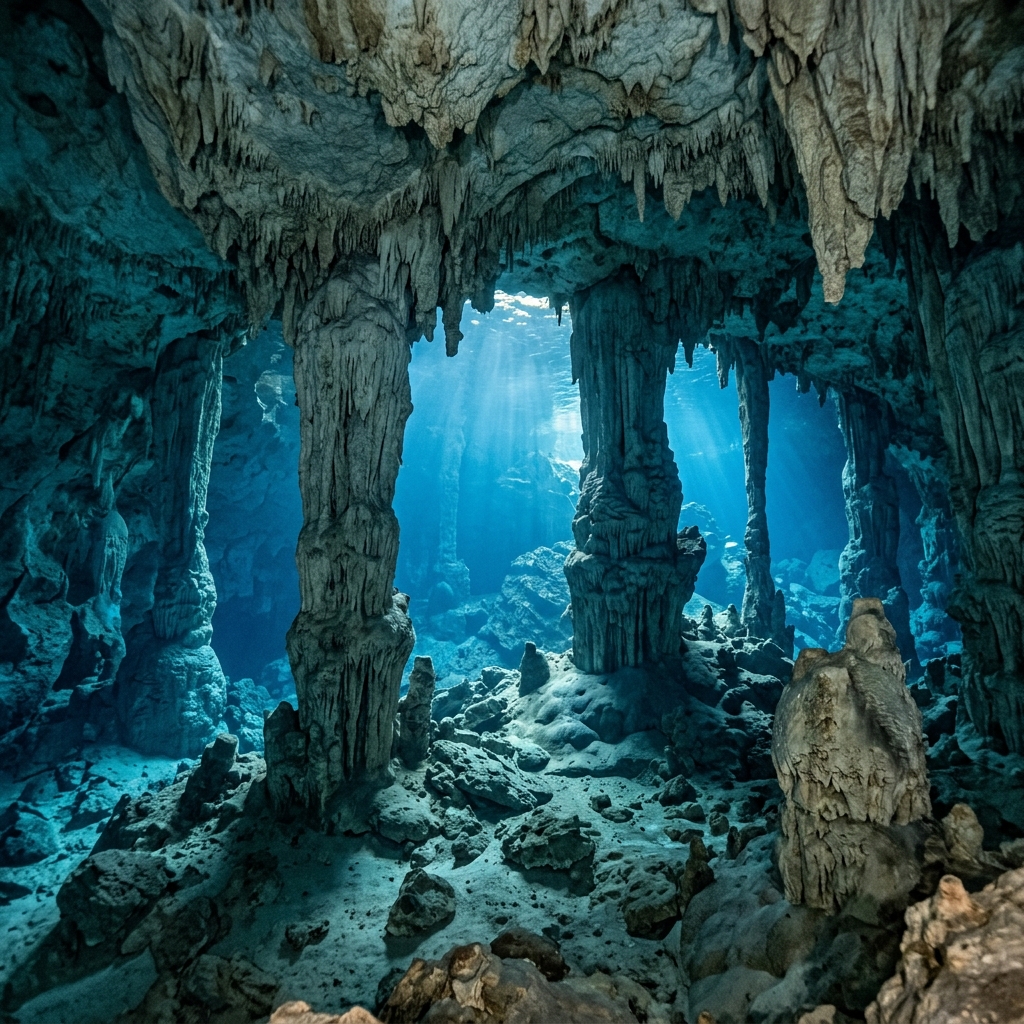 Imagem IA
Blue Hole
Caniço
The Blue Hole is located within the Lighthouse Reef Atoll in Belize, a globally renowned destination for its underwater beauty. Access to this dive site is exclusively by boat, as it sits on the outer edge of the barrier reef, ensuring an authentic diving experience away from the crowds. The journey to the site is part of the adventure, with potential for spotting other marine wonders en route. The underwater topography of the Blue Hole is its most striking and namesake feature. It is a large, circular sinkhole or underwater cave that opens up in the barrier reef. Descending into its depths, divers will encounter stunning geological formations, including giant stalactites hanging from the cave ceiling at various depths, creating an almost surreal landscape. The maximum depth of 40 meters accentuates the feeling of descending into the abyss. The marine life at the Blue Hole is abundant and captivating, with a particular allure stemming from the presence of Caribbean reef sharks. These majestic creatures are often seen cruising around the opening of the hole and even within its confines, adding an element of thrill and respect to the dive. In addition to sharks, it is common to observe a variety of typical Caribbean reef species, such as colorful fish, diverse corals, and potentially other inhabitants of the deeper waters. Dive conditions at the Blue Hole are generally excellent, with visibility typically being very good, allowing for appreciation of the water's clarity and the beauty of the underwater scenery. Water temperatures are pleasant, usually warm as is characteristic of the Caribbean region. However, as it is an offshore dive site, attention to sea conditions and currents is important, as these can vary and require careful consideration. This dive site is considered a Cousteau classic and is primarily suited for advanced divers. The maximum depth of 40 meters, the cave-like environment, and the potential for currents suggest that divers should possess an appropriate certification level and be comfortable with deeper dives and enclosed environments. Prior experience in cave diving or with deep dives is highly recommended. For a safe and rewarding dive at the Blue Hole, an advanced certification, ideally with a specialization in cave or deep diving, is essential. Divers should carry full and appropriate gear, including powerful dive lights to explore the darker areas of the cave and the stalactites. It is advisable to be briefed on current sea conditions and always follow the guidance of the dive leader or instructor to ensure safety and fully enjoy this incredible dive.
Imagem IARabo de Asno
Angra do Heroísmo
The Rabo de Asno cave is located near the city of Peniche, Portugal, a well-known diving destination on the Atlantic coast. Access to this dive site is typically by boat from the port of Peniche, with organized dive trips bringing divers to the area. The precise location of the cave entrance may require guidance from an instructor or an experienced dive team for safe identification. The underwater topography of Rabo de Asno is primarily characterized by its cave nature. The entrance to the cave is situated at a depth of approximately 27 meters. Inside, the cave floor descends further, reaching a maximum depth of 32 meters. The interior of the grotto features a spectacular wall adorned with gorgonians, creating a stunning and colorful underwater landscape for divers. Regarding marine life, a considerable diversity is expected within and around the Rabo de Asno cave. The presence of the gorgonian wall suggests a rich habitat that attracts various marine species. While specific species are not detailed, divers are likely to observe small fish sheltering among the corals, as well as potentially crustaceans and other marine invertebrates thriving in this protected environment. The diving conditions at Rabo de Asno generally offer average visibility ranging between 15 and 20 meters. This visibility is usually sufficient to appreciate the site's beauty, including the gorgonians and marine life. However, diving with an overhead environment, as exploring a cave entails, comes with an inherent degree of difficulty. Divers must be aware of the cave ceiling and the necessity for neutral buoyancy and precise depth control. This dive site is suitable for divers who have prior experience with overhead diving or in complex environments. The maximum depth of 32 meters requires advanced diver certification or equivalent. The cave nature and the need for precise buoyancy and navigation control make it unsuitable for novice divers or those still becoming familiar with more advanced diving techniques. Practical tips for a safe and enjoyable dive at Rabo de Asno include ensuring proper equipment, especially good lighting for cave exploration, and potentially additional safety gear. It is crucial for divers to carry backup lights and be familiar with cave diving procedures. Respecting the environment by avoiding touching or disturbing marine life and cave structures is paramount to preserving this site for future divers.
 Imagem IA
Baixa do Broeiro
Angra do Heroísmo
The Baixa do Broeiro is located in the city of Peniche, Portugal, recognized as a dive site for its depth and the presence of an old shipwreck. Access to this location is typically made by boat from Peniche, as its position in open waters requires navigation to reach the exact spot. Its proximity to the Peniche coast facilitates the organization of diving excursions. The underwater topography of Baixa do Broeiro is characterized by the presence of the shipwreck of the Maroudi Inglessi, which sank in 1921. The ship's hull lies at a maximum depth of 37 meters, serving as a primary point of interest for divers. In addition to the wreck, there is a plateau at approximately 20 meters depth, offering different exploration levels within the same site. The marine life at this site includes the presence of large sea bass (robalos) that commonly swim around the diving area, especially on the 20-meter plateau. Furthermore, there is a possibility of encountering pelagic fish, indicating the richness and diversity of species inhabiting these waters. The shipwreck itself may have become a habitat for various forms of marine life. Conditions at Baixa do Broeiro are marked by an average visibility that hovers around 15 meters. This visibility can fluctuate depending on environmental conditions and the season. The maximum depth of 37 meters, combined with the presence of currents, contributes to classifying this site as a high-difficulty dive, requiring good experience from the diver. Due to its maximum depth of 37 meters, the prevailing currents, and the average visibility, Baixa do Broeiro is primarily suitable for experienced divers certified in advanced or deep diving. Divers with good training in current management and proper equipment use will benefit most from this experience. It is recommended that divers planning to visit Baixa do Broeiro bring appropriate gear for deep diving, including a dive computer, and be prepared for potential currents. Thorough dive planning and familiarity with safety procedures are essential. It is advisable to be accompanied by an experienced local guide who is well-acquainted with the site's conditions.
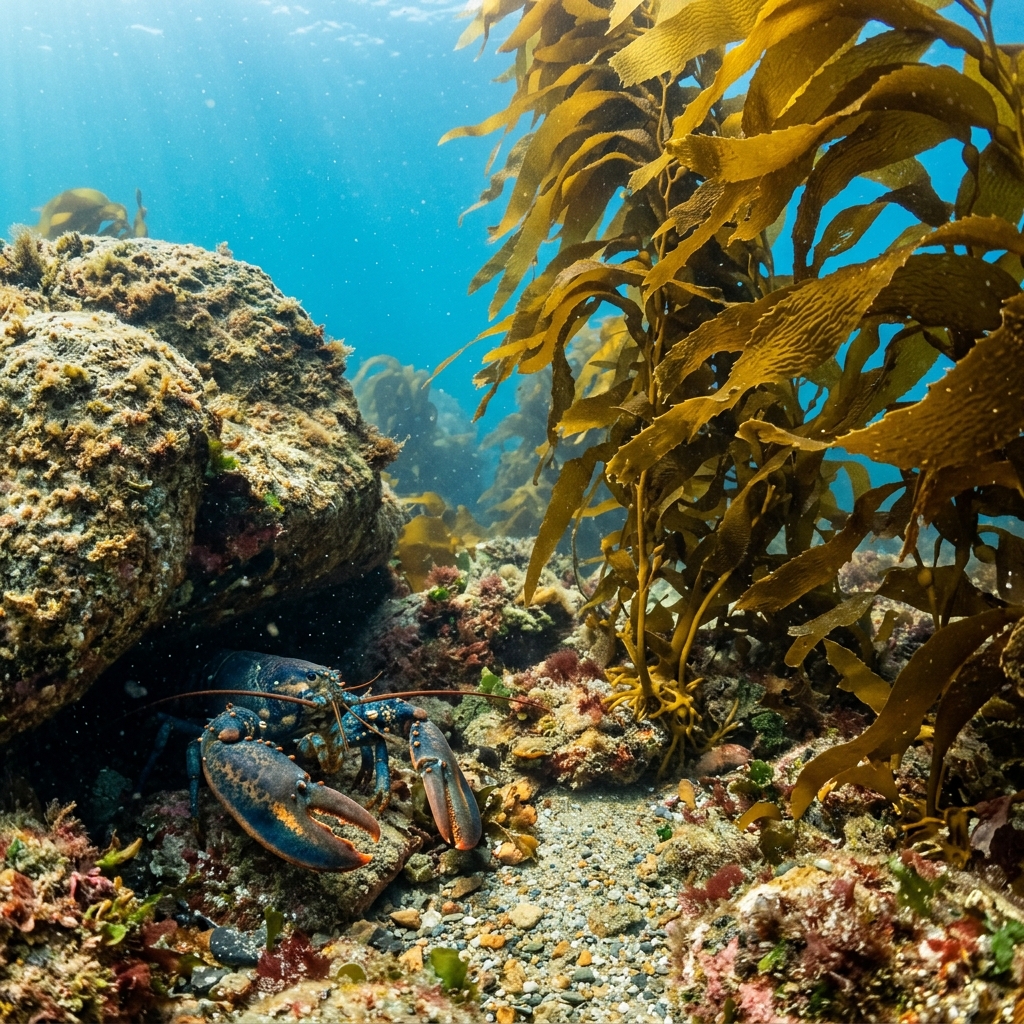 Imagem IA
Cova do Sonho
Lajes do Pico
Cova do Sonho, situated near the city of Peniche in Portugal, is a dive site primarily accessible by boat. The dive begins in the Lagosteira cave, which has a depth of approximately 10 meters. From here, divers progress towards an area known as Furado Grande, where the depth drops to around 8 meters. This part of the route serves as a connection, linking the south side of the island to Cova do Sonho itself. The underwater topography of Cova do Sonho is varied and interesting. It commences within the Lagosteira cave, offering an experience of navigating a rock formation. Subsequently, the Furado Grande area is traversed, characterized by its shallower depth and its function as a passage. The deepest part of Cova do Sonho reaches 12 meters, providing a slight variation in depth and different environments to explore within a single dive site. Regarding marine life, specific species are not detailed. However, the underwater environment of the Portuguese coast typically supports a diversity of indigenous marine species. Divers can anticipate encountering the typical marine fauna and flora of the region, possibly including various types of bottom-dwelling fish, crustaceans, and the marine vegetation associated with Portugal's rocky coastal areas. The visibility conditions at Cova do Sonho are described as good, facilitating the exploration of the underwater scenery. The dive is considered to have low difficulty, suggesting the absence of strong currents or complex technical challenges. However, caution is advised due to the presence of boats that utilize the Furado Grande route to access Cova do Sonho, implying a need for awareness of maritime traffic. Cova do Sonho is suitable for divers of various levels, particularly those seeking a relatively straightforward dive with good visibility and moderate natural interest. The maximum depth of 12 meters makes it accessible for entry-level or recreational certified divers. The lack of technical difficulty makes it an appealing option for those wishing to enjoy the underwater landscape without significant demands. In addition to exercising caution regarding boats, divers should adhere to standard diving safety practices. It is recommended that divers inform someone ashore of their departure and estimated return time. If engaging in a guided dive or equipment rental, ensuring adherence to all safety protocols established by the service provider is important.
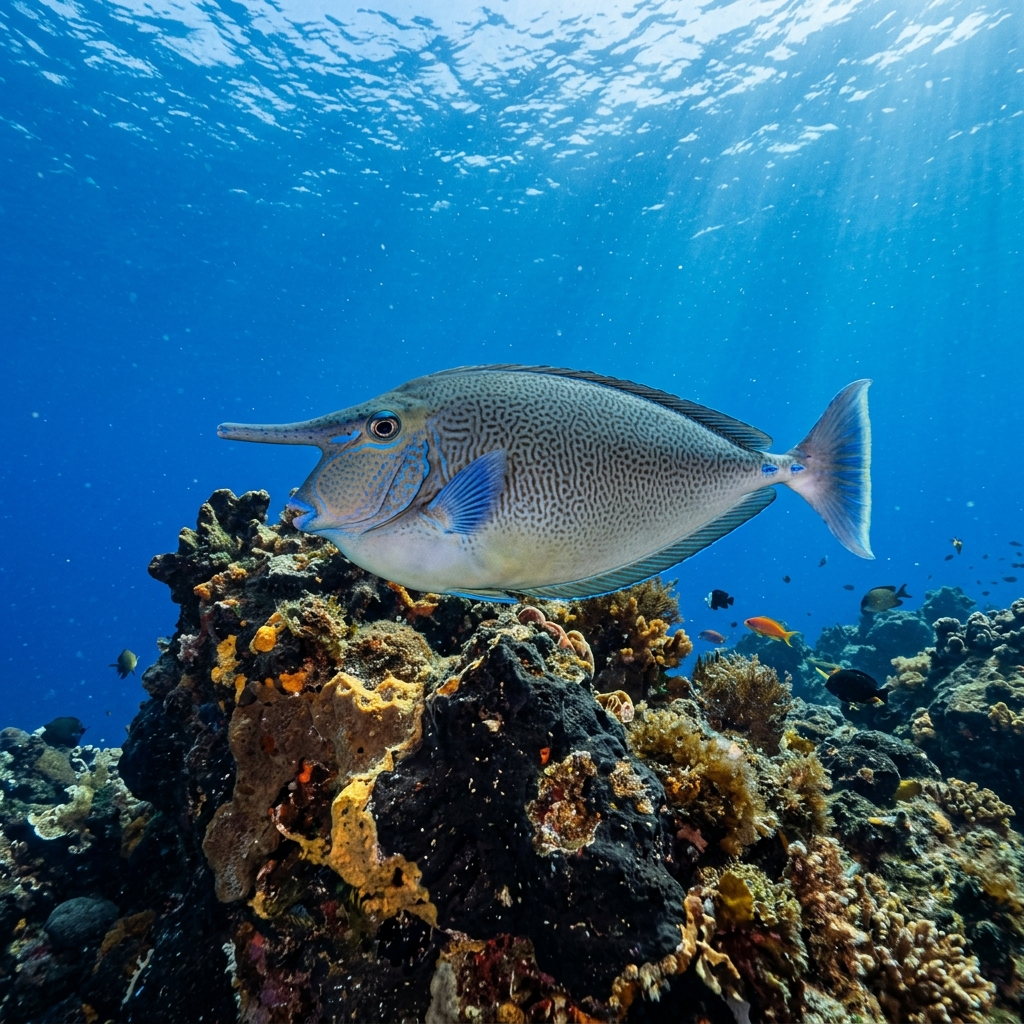 Imagem IA
Princess Alice
Horta
Princess Alice is an exceptional dive site located near Horta, in the Azores, Portugal. This location is renowned for its remote, open-ocean setting, making access exclusively by boat. Diving excursions to Princess Alice typically depart from the harbor in Horta, providing a direct connection to this fascinating underwater destination. The journey to reach it is an integral part of the experience. The underwater topography of Princess Alice is one of its most striking and impressive features. It presents a series of seamounts and large rock formations that rise from unknown depths. This rugged terrain creates numerous crevices, ledges, and underwater canyons, offering a diverse range of habitats for marine life. The maximum depth is unspecified, suggesting a potentially significant drop-off, which adds an element of exploration and mystery to each dive. The marine life at Princess Alice is abundant and diverse, drawn to the rich surrounding waters and the complexity of its topography. Divers often encounter large schools of pelagic fish, including barracudas and jacks. Warm currents favor the appearance of sharks, such as the blue shark and occasionally large mako sharks, giving this site its reputation for excellent shark diving. Rays and various reef fish species can also be observed. Conditions and visibility at Princess Alice can vary considerably, owing to its open-ocean location. Typically, the waters are clear, with good visibility that allows for appreciation of the marine life and underwater landscape. However, the presence of currents can be a significant factor, and divers must be prepared for them. Water temperature can be cool, depending on the season, and the use of appropriate wetsuits is recommended to ensure comfort during the dive. Princess Alice is a dive site suitable for experienced divers, particularly those seeking encounters with large pelagic marine life and who are prepared for potentially demanding conditions. The necessity of boat access and the presence of currents mean it is not ideal for novice divers. Those with advanced certification, familiar with open-ocean diving, and experienced in managing currents will find this site extremely rewarding. Practical tips for diving Princess Alice include ensuring you are properly certified and have relevant experience. It is essential to be prepared for potential currents and have good buoyancy control. Carrying reliable dive gear and a surface signaling device is recommended. Divers should follow all guidance from local dive operators and respect the marine life, avoiding any interactions that could harm the ecosystem.
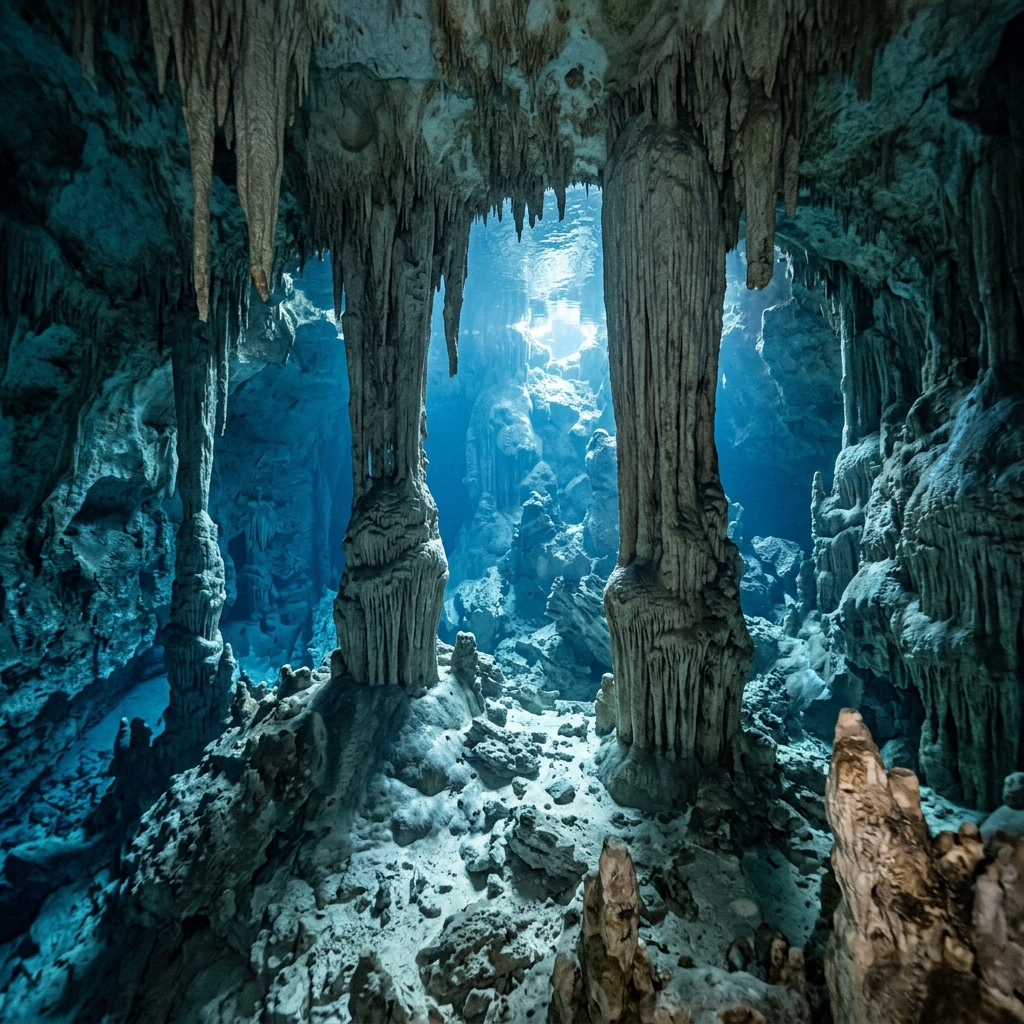 Imagem IA
Grutas Ponta da Piedade
Lagos
The Grutas Ponta da Piedade, located near the picturesque city of Lagos in Portugal, presents a unique diving destination within the Algarve region. Access to this dive site is exclusively by boat, providing a serene and sheltered entry into the sea caves. The underwater topography of this site is characterized by a series of caves and arches, sculpted by marine erosion over millennia. Maximum depths do not exceed 12 meters, making it accessible for a wide range of divers. Visitors will discover narrow passages, expansive chambers, and hidden nooks. Marine life within the Grutas Ponta da Piedade is surprisingly diverse, despite the cave environment. Various small to medium-sized fish that inhabit the rocky areas and underwater structures can be observed. The presence of crabs and other marine invertebrates is also common in these protected waters. Conditions for diving at Ponta da Piedade are generally favorable, with generally good visibility, especially when the sea is calm. Water temperatures can vary depending on the season, but the shelter provided by the caves keeps currents minimal, contributing to a more comfortable dive experience. This dive site is particularly suitable for beginner divers, those seeking a more tranquil diving experience, and underwater photography enthusiasts. The shallow depth and fascinating topography make it ideal for training and for enjoying the beauty of the underwater scenery. For a rewarding visit to Grutas Ponta da Piedade, it is advisable to book boat tours in advance, as they tend to fill up quickly, especially during peak season. Carrying a good underwater torch can enhance the exploration of the caves and their darker recesses.
Imagem IAPedras Altas
Lagos
Formação rochosa em “Canyon”. Local que proporciona a sensação de voo livre entre grandes pedras.
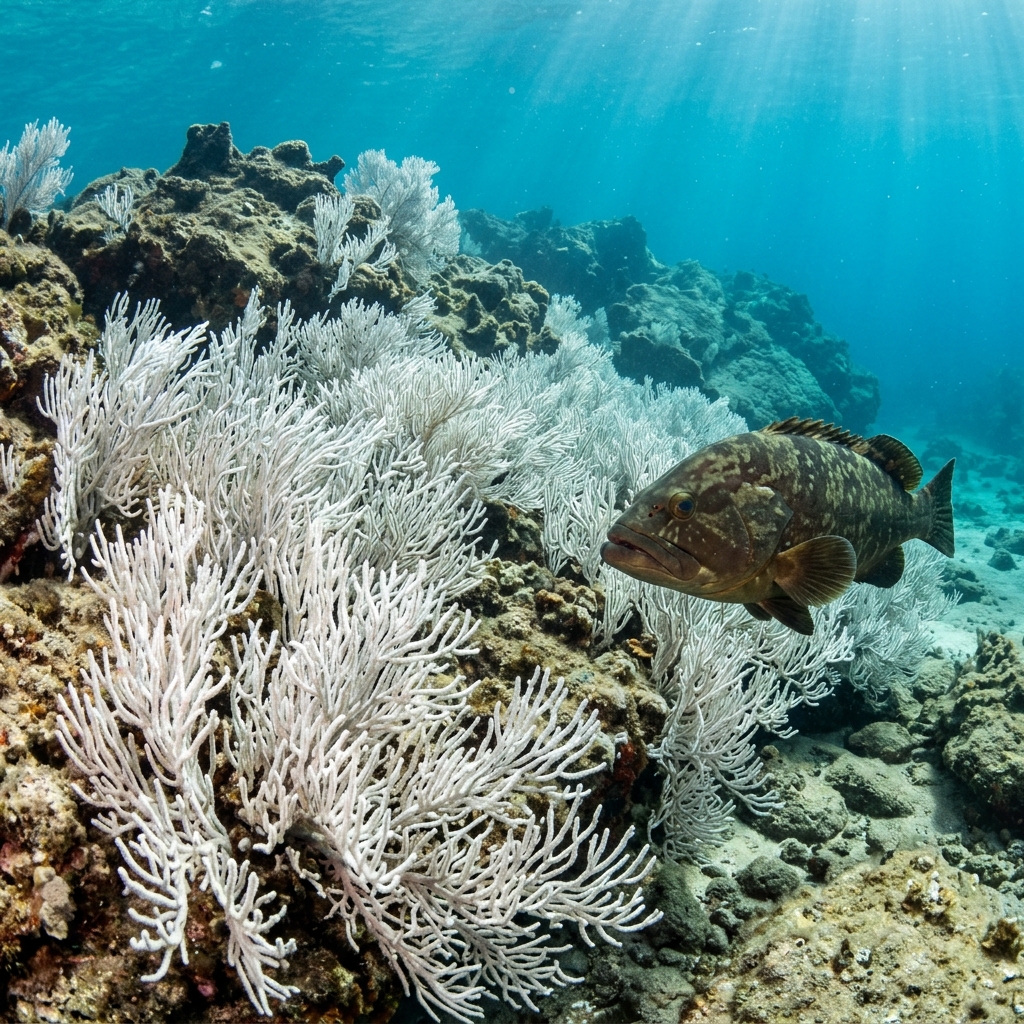 Imagem IA
Ocean Revival
Funchal
Ocean Revival, situated near Lagos, Portugal, stands as a world-class diving destination renowned for its exceptional offerings. Access to this dive site is exclusively facilitated by boat, providing a convenient and efficient means to reach this impressive collection of shipwrecks. The underwater topography of Ocean Revival is defined by the presence of four striking shipwrecks, creating a complex and captivating environment for exploration. Conditions and visibility at the site can vary, but generally, this location attracts divers due to its reputation as a premier European diving spot. Ocean Revival is suitable for divers seeking challenging and engaging underwater experiences, particularly those interested in wreck diving and the marine life that inhabits these sunken vessels. It is advisable to check local weather forecasts and visibility reports before planning a dive, and to ensure you possess the appropriate certifications for wreck exploration.
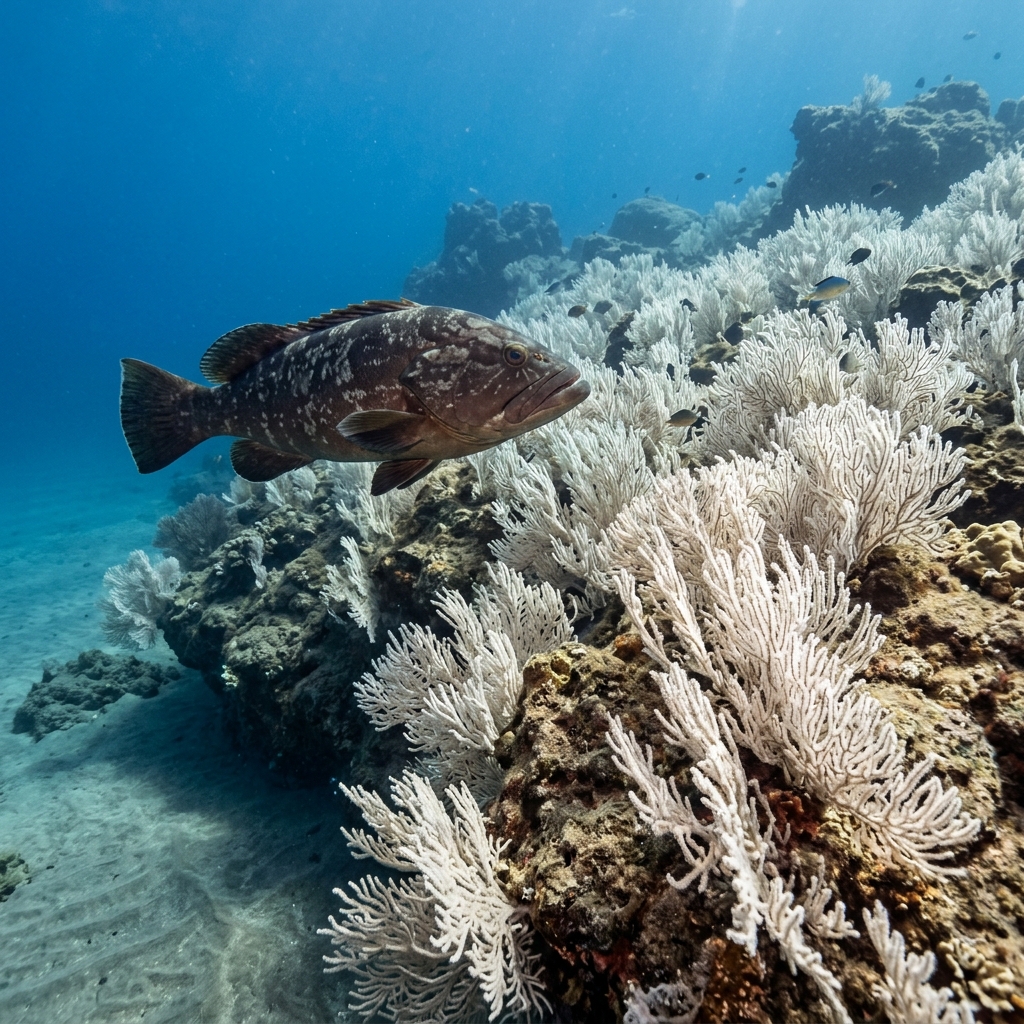 Imagem IA
the reef
Porto Santo
The dive site known as 'the reef' is located near Porto Santo, in Portugal (PRT). Access to this site is managed by local dive centers, with excursions likely organized from shops like 'Jose's', who knew the best spots around the reef. The point of entry into the sea depends on the conditions and the vessel used, but is generally facilitated from a boat to ensure safety and efficiency. The underwater topography of this reef is characterized by a rocky formation offering various structures and reliefs. The available data suggests a diversity of shapes and sizes within the reef, possibly including vertical walls, large rock formations, and potentially some small caves or crevices. This irregular terrain creates varied habitats for marine life. Marine life at 'the reef' is expected to be abundant and diverse, given the nature of a reef habitat. A wide variety of local fish species, as well as invertebrates attached to the rocky surfaces, can be found here. The presence of sponges, soft corals, and other benthic organisms is probable, contributing to the site's biological richness. Dive conditions at 'the reef' are typically variable, influenced by ocean currents and sea state. Visibility can fluctuate, generally being good on calm days with little swell. The exact depth of the site is unspecified, but reefs often feature topography that can range from shallower areas to more pronounced drop-offs. This dive site is potentially suitable for divers of various levels, depending on the specific topography and the day's conditions. Less experienced divers may find more sheltered and shallower areas, while more advanced divers can explore deeper parts or areas with gentle currents. Supervision by a local guide is recommended. For an optimal experience at 'the reef', it is advisable to plan the dive with a local dive center that has knowledge of the current conditions and the best points of interest. It is important to bring appropriate dive gear, including lights for exploring potential crevices and a good camera to capture the marine life. Carrying a signaling device can also be useful.
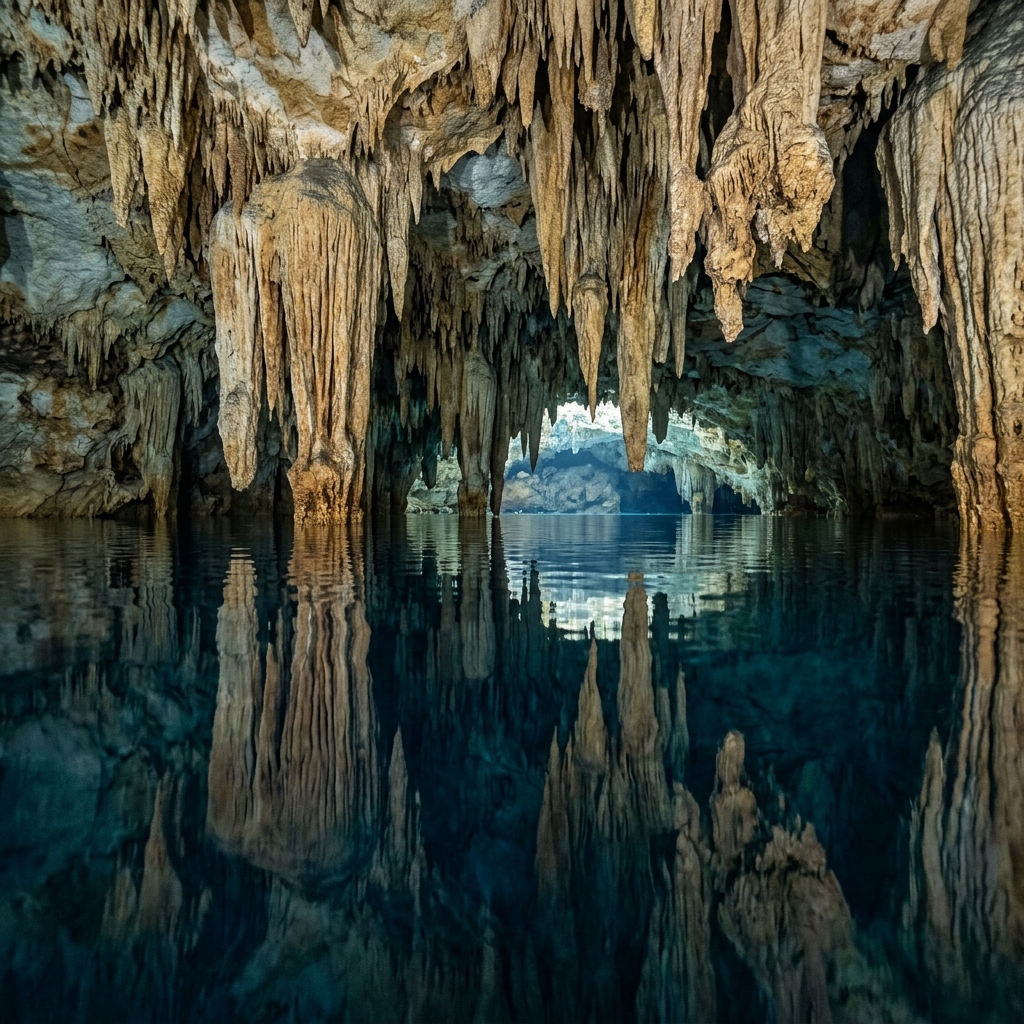 Imagem IA
grottos at Sagres
Lagos
the highlights of the Algarve – the grottos at Sagres
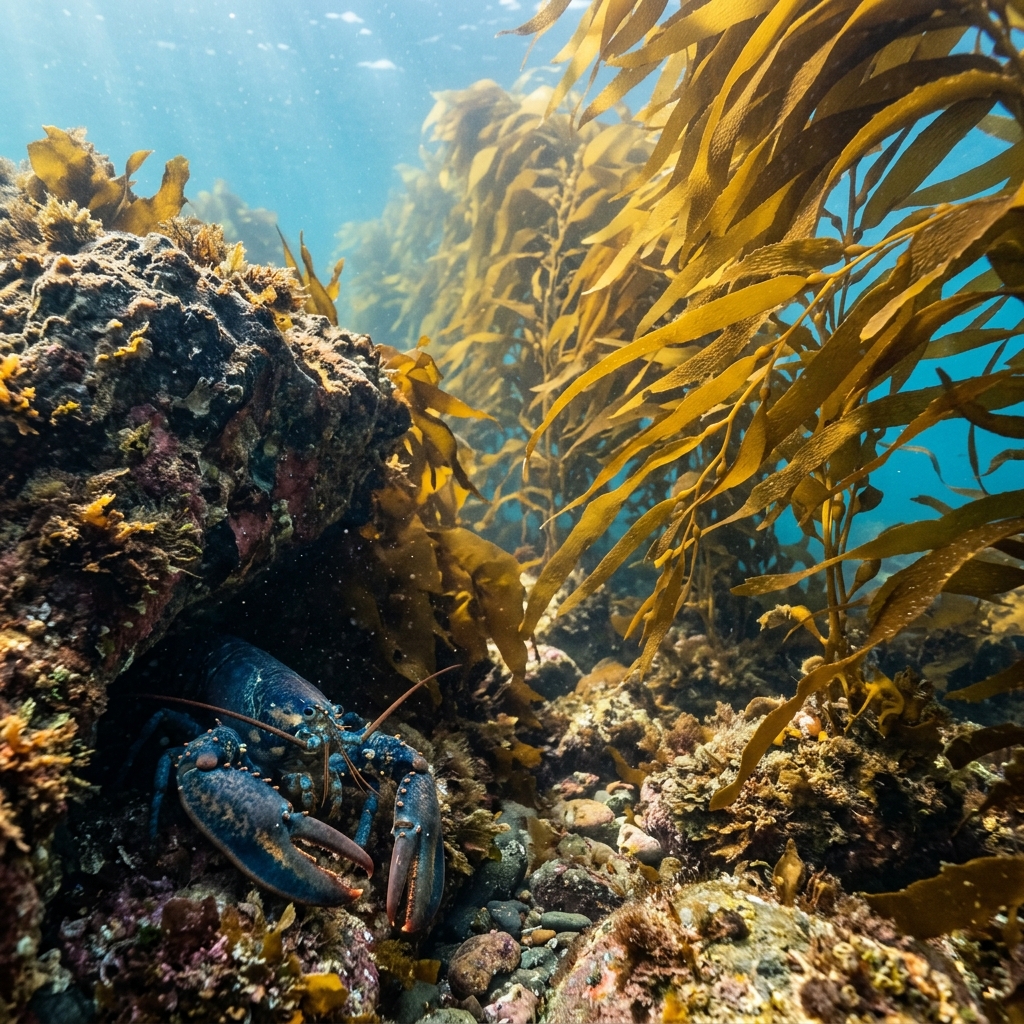 Imagem IA
Baixa dos Rosais
Velas
The Baixa dos Rosais is an unforgettable dive site located near Velas, in Portugal, specifically within the Azores archipelago. This location is renowned for its exceptional quality and is considered a 'TOP dive in the Azores', promising a memorable experience for diving enthusiasts. Access to this site is exclusively by boat, highlighting its marine nature and the necessity of a vessel to reach it. The underwater topography of Baixa dos Rosais offers a diverse and captivating landscape. Although the exact depth is not specified, the description suggests a variety of underwater features that allow for a range of exploration possibilities. These varied topographic characteristics are crucial for attracting rich marine biodiversity and for providing a dynamic and engaging diving experience. The marine life at Baixa dos Rosais is one of its primary attractions. The site's reputation as a 'TOP dive in the Azores' indicates an abundance and diversity of marine species. This rich ecosystem likely hosts a wide variety of fish, invertebrates, and possibly other forms of marine life adapted to the oceanic conditions of the region. Dive conditions and visibility at Baixa dos Rosais are key factors for planning a dive. As a site with the potential for a 'TOP dive', conditions are expected to be suitable for good underwater exploration, with visibility that allows appreciation of the seabed's richness. Proximity to the Atlantic Ocean can influence conditions, making it advisable to consult local forecasts. Baixa dos Rosais is suitable for a broad range of divers due to its 'wide range of diving possibilities'. While the unspecified depth might suggest the presence of shallower areas, the mention of various possibilities indicates that both experienced and intermediate divers could find the site suitable and rewarding. It is recommended to confirm specific requirements with local operators. As practical advice for divers wishing to explore Baixa dos Rosais, it is essential to arrange access via boat. It is recommended to contact local dive centers in Velas to book excursions and to obtain detailed information about current conditions, visibility, and any additional technical requirements. Advance planning will ensure a safe and rewarding experience.