Blog & News
Discover the best tips, travel guides, marine conservation news and secrets of the underwater world.
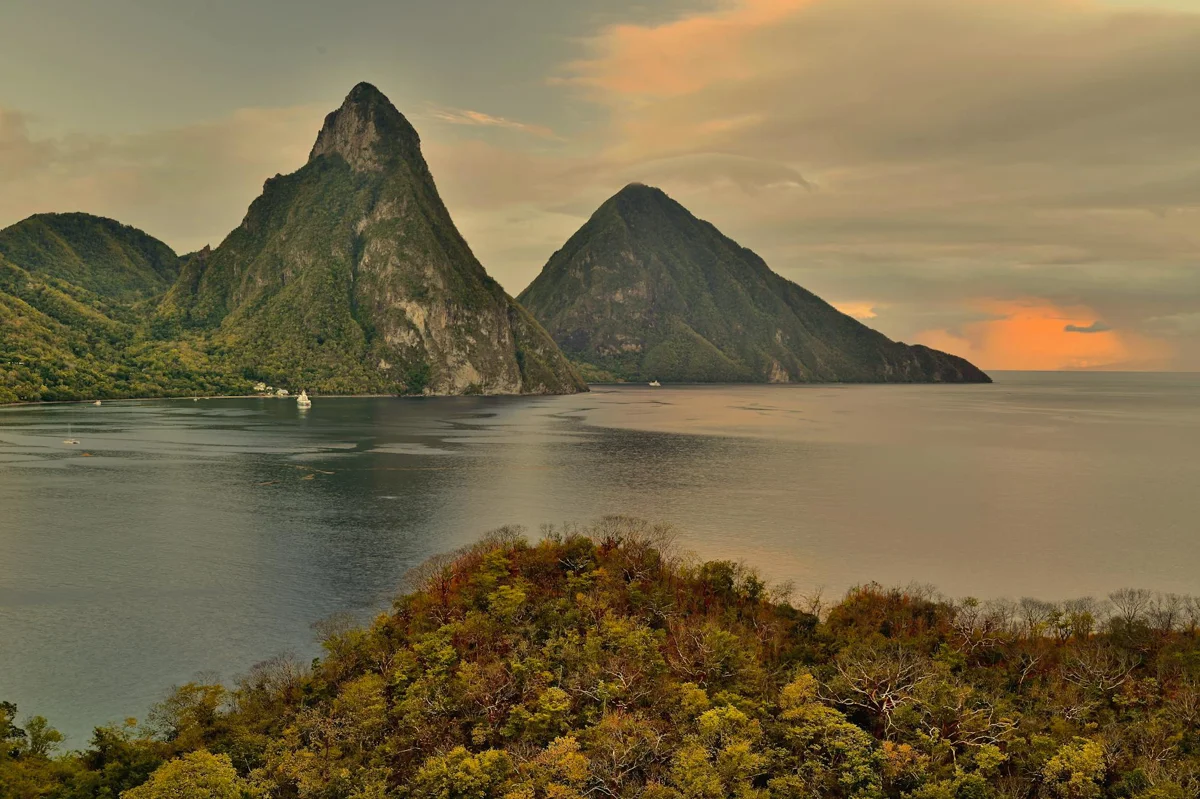
St. Lucia and Pinnacles: drift diving below volcanic peaks
Saint Lucia is a volcanic island in the eastern Caribbean, best known for the twin Pitons (UNESCO World Heritage). Diving centres on the west coast with vertical walls, drift dives and coral pinnacles in the shadow of Petit Piton (743 m) and Gros Piton (798 m). Works well combined with land adventure and is a popular honeymoon destination.
 Health
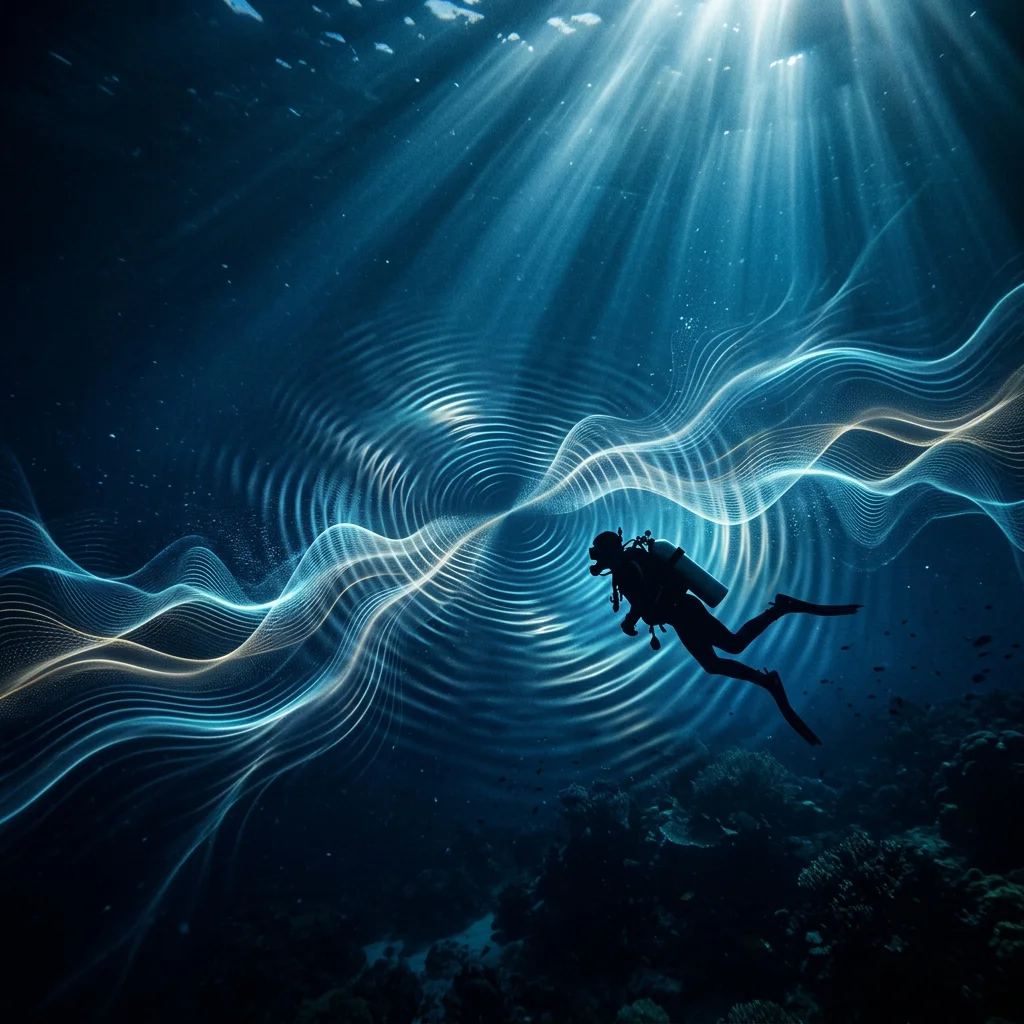
Tinnitus and diving: when ringing in the ears is a warning sign
Tinnitus after a dive may indicate serious cochlear damage. Discover when it requires urgent attention and what treatments exist.
 Equipment
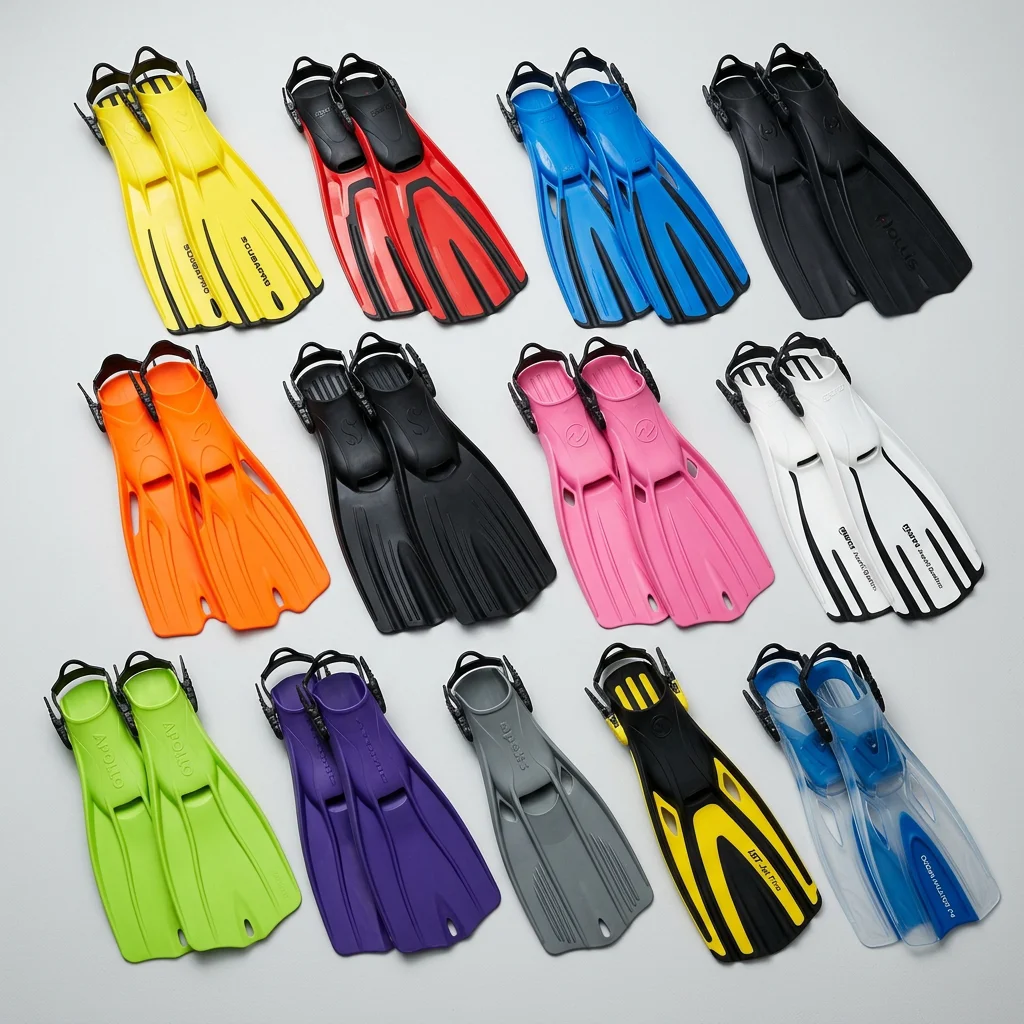
Diving fins guide: blade, split, carbon and how to choose
Split fins reduce effort by 40%. Blade fins offer greater propulsion. Discover material and type for your diving style.
 Travel
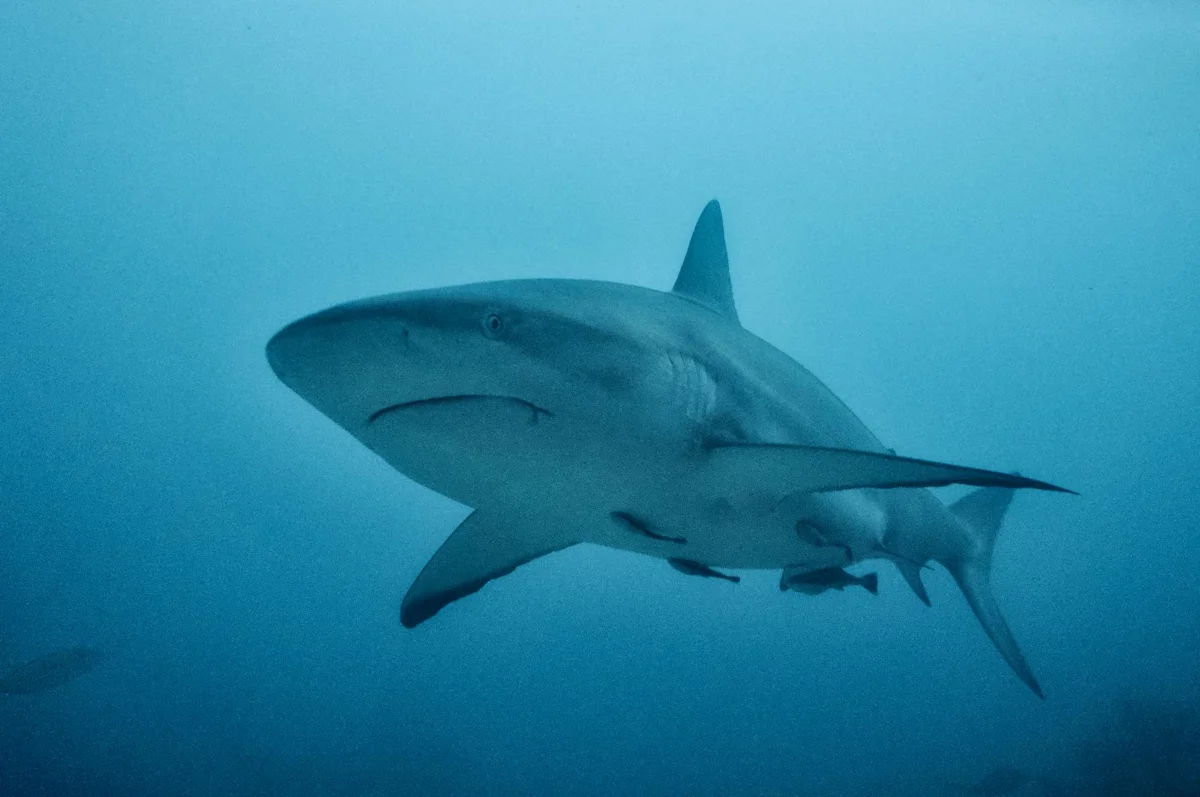
Cocos Island vs Socorro: the other pelagic league
Galápagos gets all the headlines, but two less-crowded alternatives in the eastern Pacific match it for sheer spectacle. Cocos Island off Costa Rica is raw, remote, and built for hammerhead obsessives; Socorro in the Revillagigedo archipelago delivers intimate manta ray encounters that no other destination on earth replicates. Both attract experienced divers chasing megafauna without the Galápagos crowds.
 Health
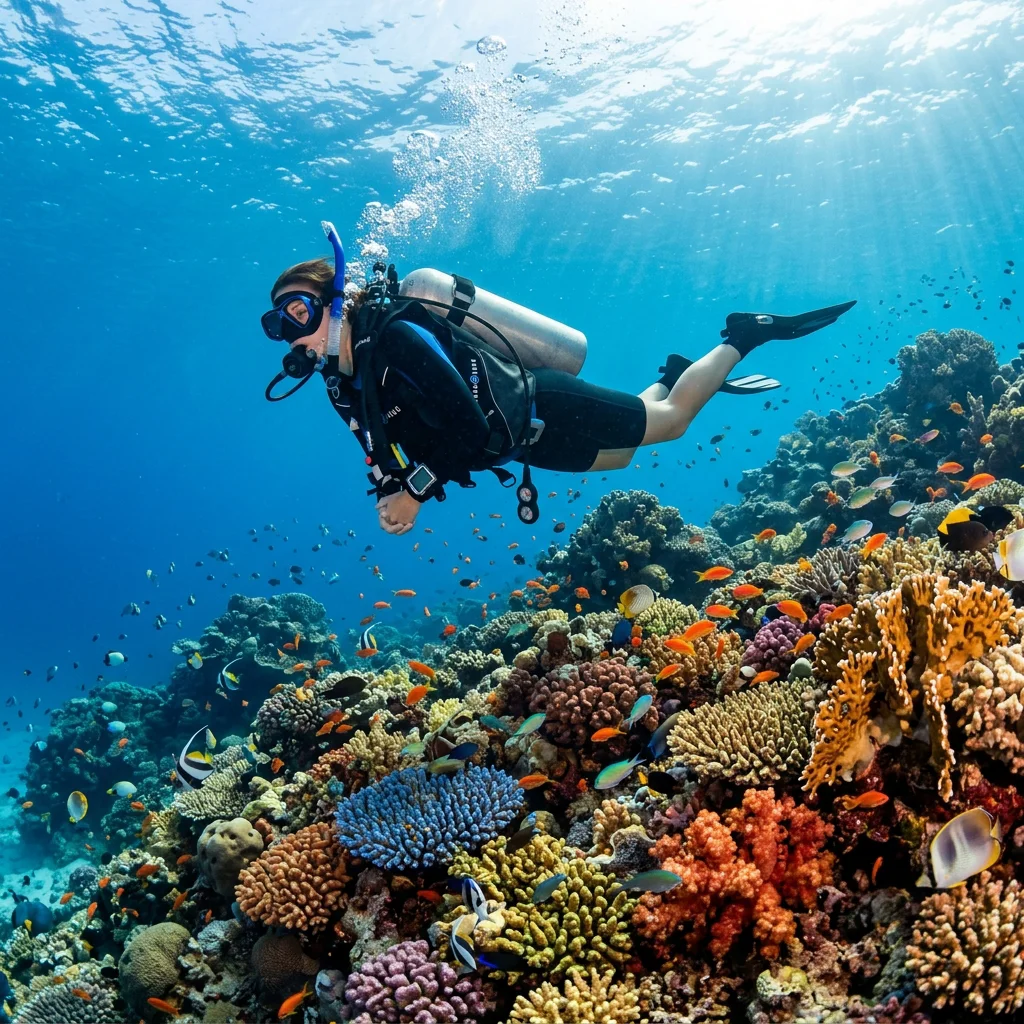
Diving after orthopedic surgery: when is it safe to return to the water
Had knee, hip or meniscus surgery and want to dive again? Discover when it is safe according to DAN and why over 75% of surgeons approve diving after arthroplasty.
 Training
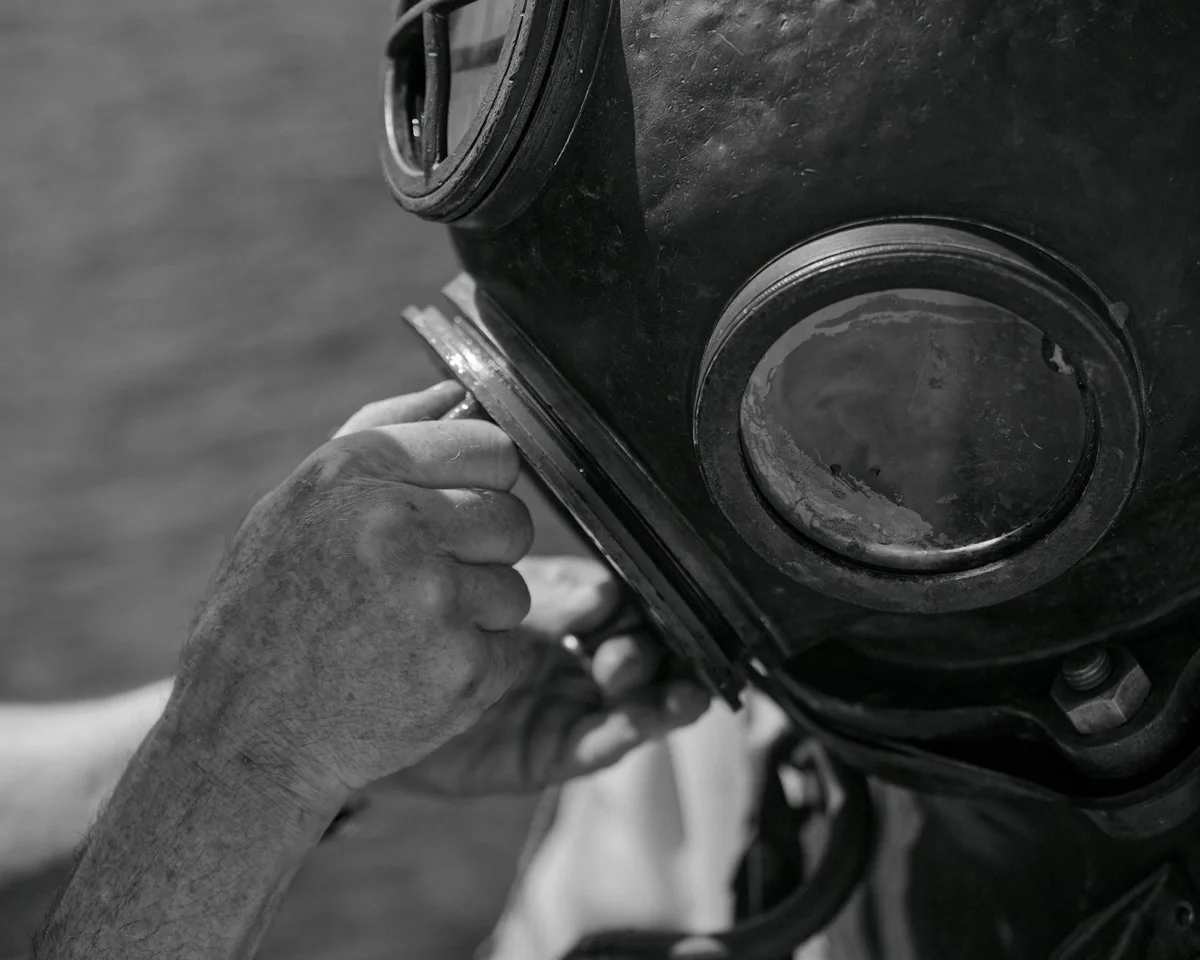
Technical diving: moving from recreational to trimix
Technical diving extends beyond recreational limits: depths past 40 m, mandatory decompression stops, and gas mixes beyond air — including trimix with helium. It demands doubles, redundant gear, and meticulous planning where mistakes carry real consequences. This guide maps the path from recreational diver to tech diver honestly, including when the commitment makes sense and when it does not.
 Marine Life
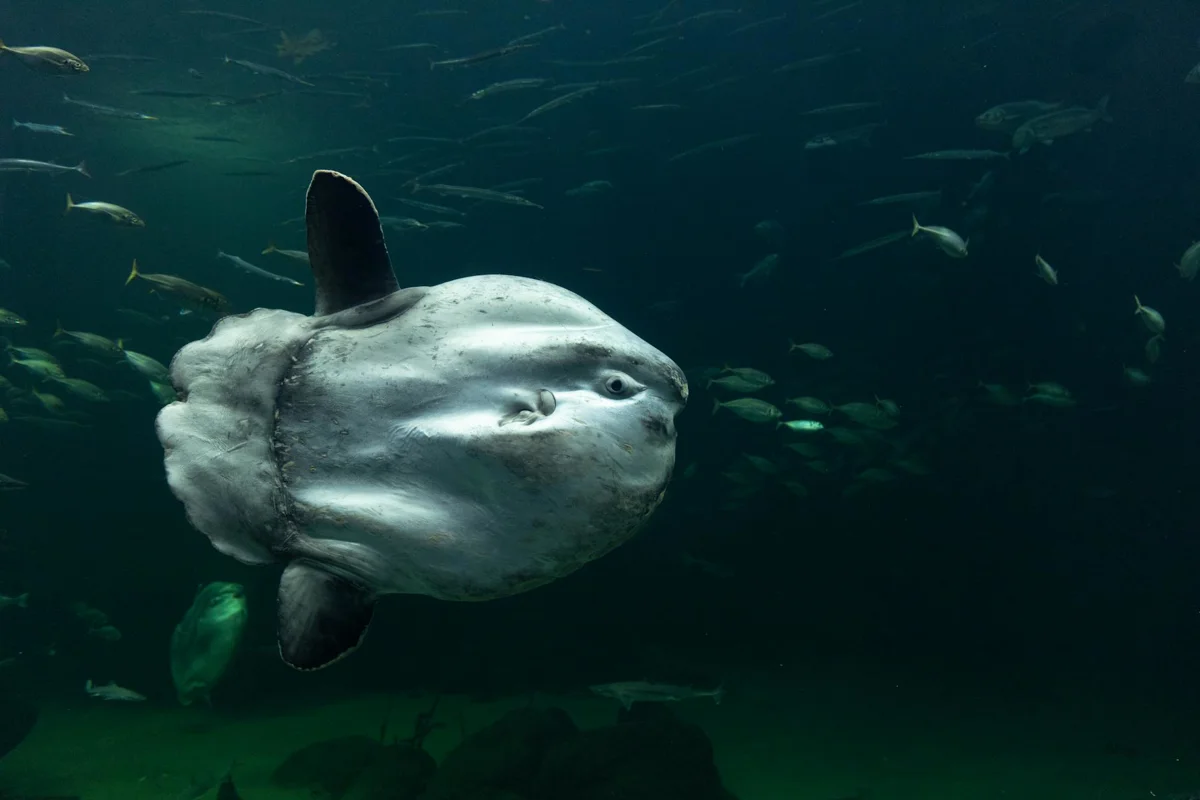
Mola mola: the ocean sunfish and Bali's cleaning stations
*Mola mola*, the ocean sunfish, ranks among the strangest animals a diver will ever see. No tail, a near-circular body, two fins that look like anatomical afterthoughts — adults reach 2–3 m and 2,000 kg. It visits seasonal cleaning stations in Bali (July–October) and a handful of other sites worldwide where cleaner fish strip it of parasites. For underwater photographers, few subjects come close.
 Travel
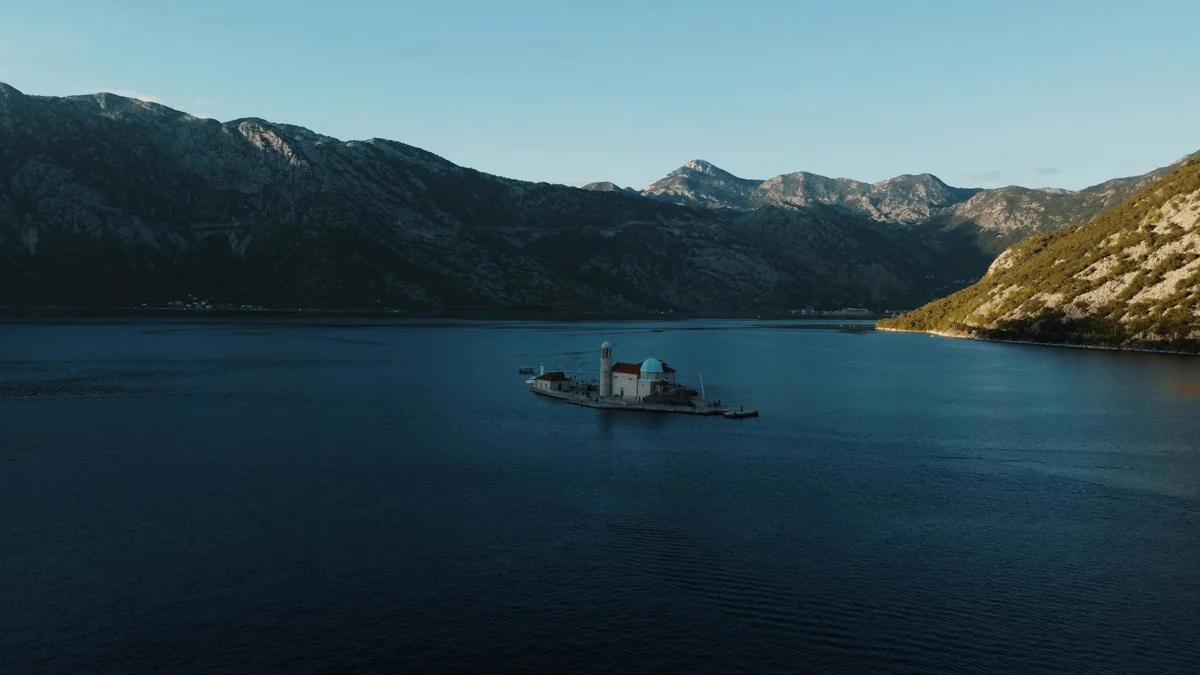
Montenegro, Boka Bay: Austro-Hungarian wrecks on the Adriatic edge
Boka Kotorska in Montenegro is one of the Mediterranean's natural fjords — 28 km long, up to 40 m deep. It sheltered the Austro-Hungarian fleet until 1918 and the Yugoslav navy until 1992. Below the surface lie 8–10 documented wrecks spanning WWI, WWII and the Yugoslav era, most of them rarely dived. A genuine frontier destination for wreck divers who have already worked through Italy and Croatia.
 Travel
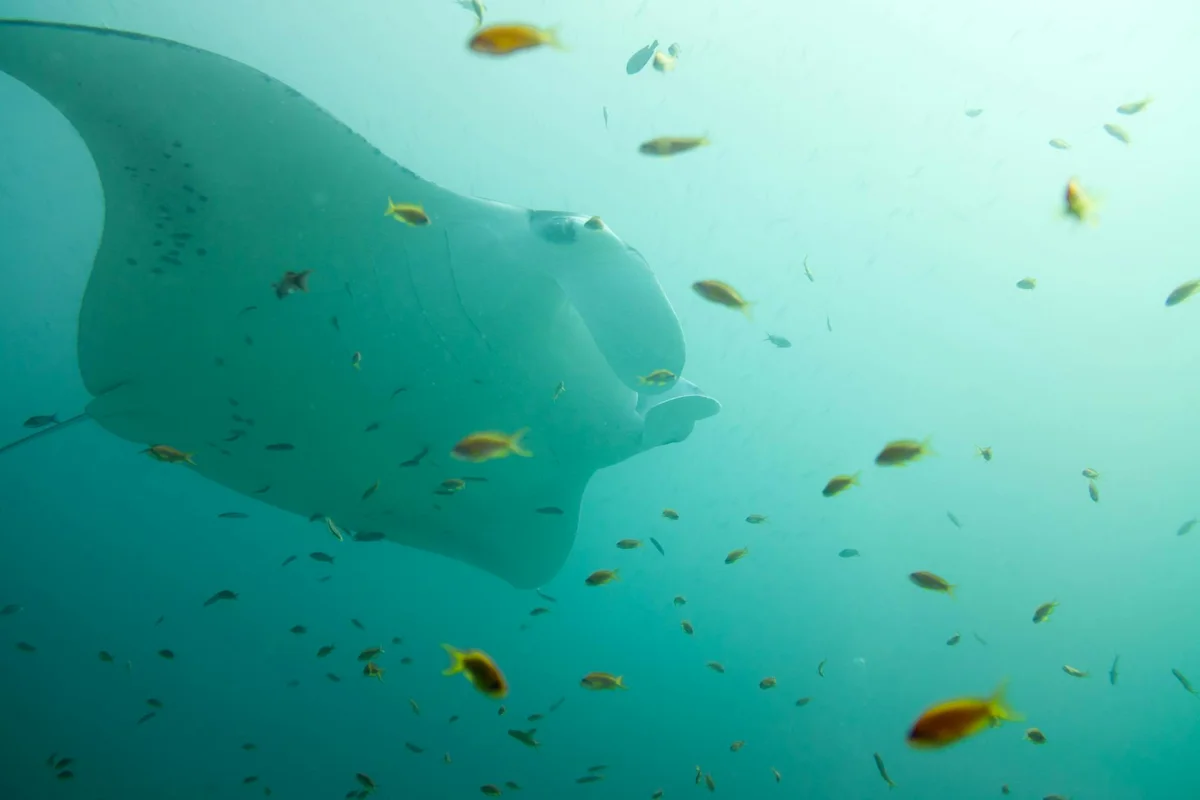
Maldives monsoon season: what the brochures skip
Peak season in the Maldives (December–April) dominates every catalogue: flat seas, record visibility, premium prices. But monsoon season (May–November) carries rewards few operators mention — whale sharks at bait balls, oceanic mantas crowding cleaning stations thick with plankton, prices running 40% lower. It demands more flexibility than peak season, and delivers more big-animal encounters.
 Travel
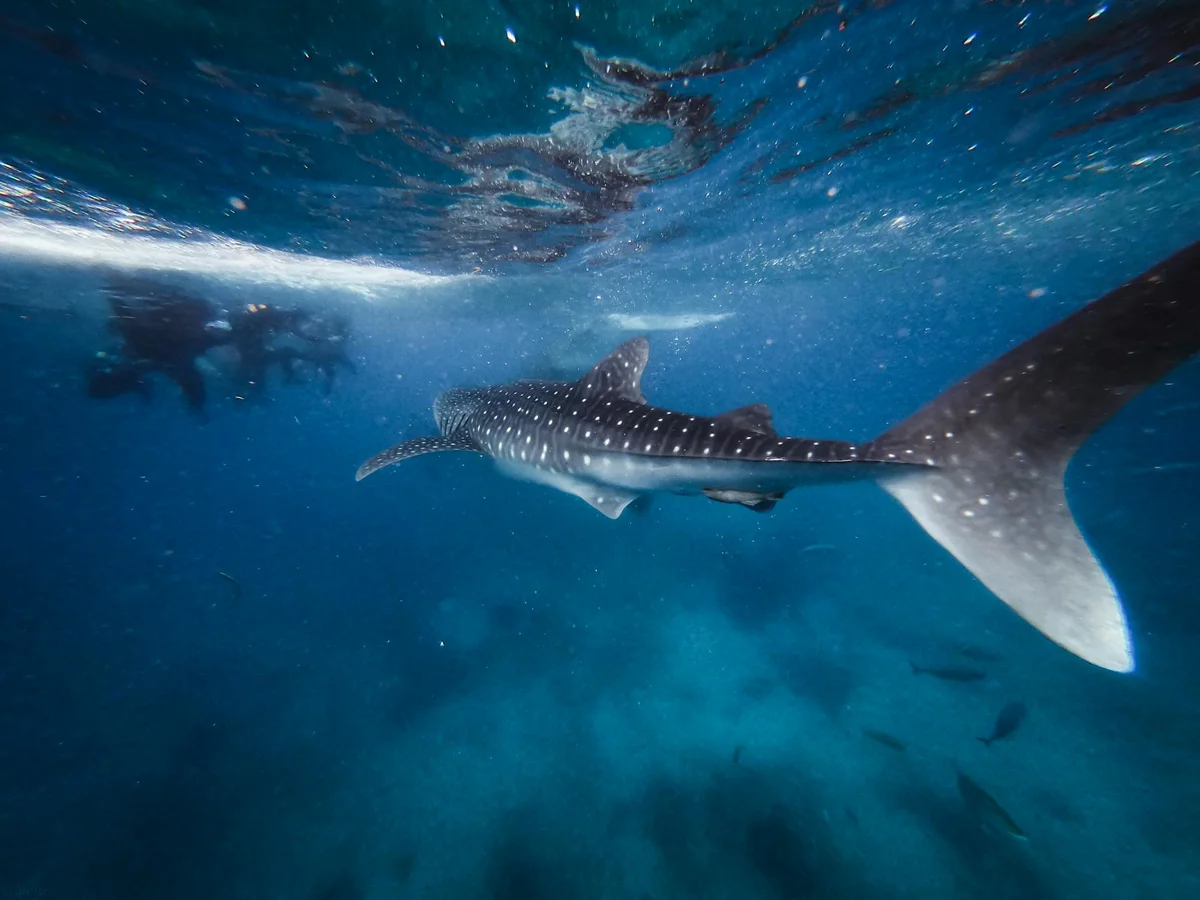
Tanzania, Mafia Island: when whale sharks arrive
Mafia Island is one of the few places on earth where whale sharks are stable, predictable residents. From October to March, dozens of juveniles gather to feed on plankton in shallow coastal waters just 5–10 m deep. It is the most reliable whale shark destination in the eastern Indian Ocean, and a more authentic alternative to the Maldives or the Philippines.
 Health
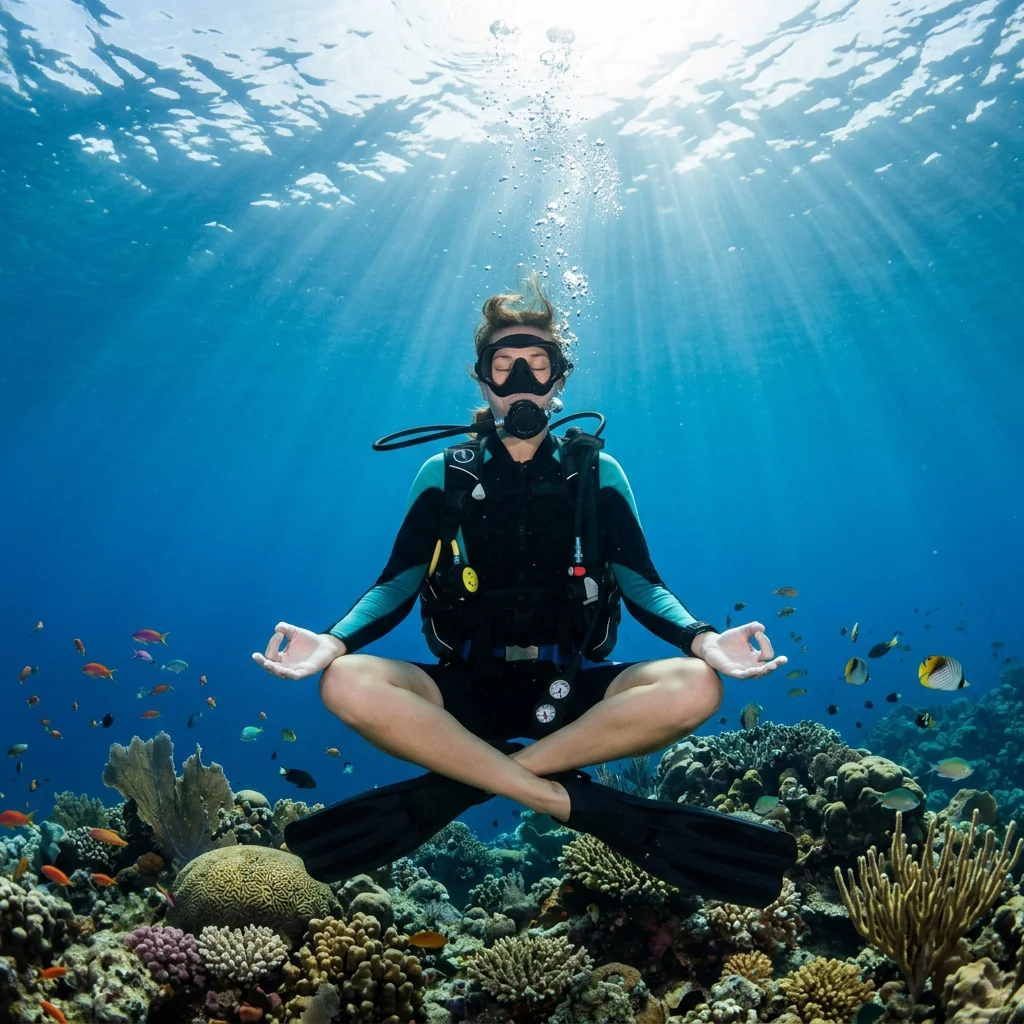
Anxiety, fear and diving: how to overcome thalassophobia underwater
Anxiety is one of the main reasons for dropping out of diving courses. Discover mindfulness techniques, CBT and the therapeutic potential of diving.
 Training
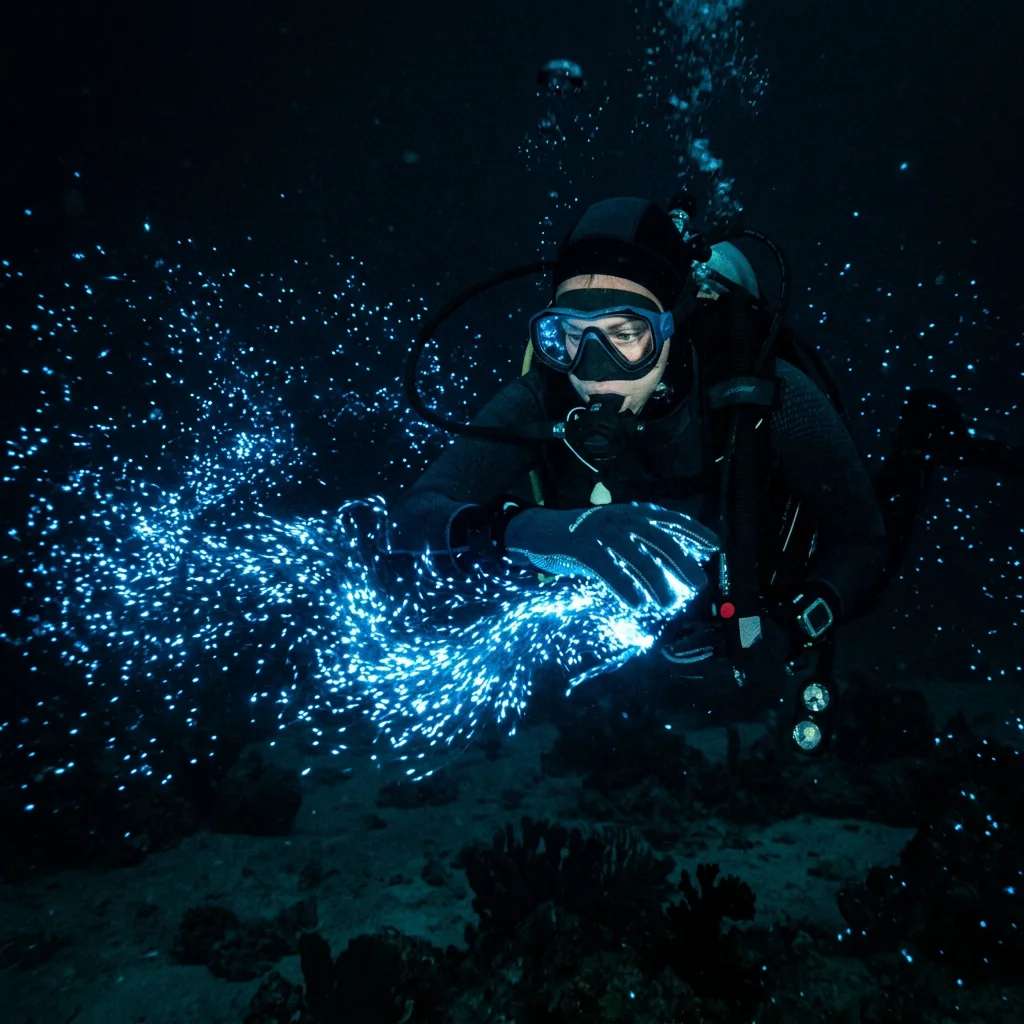
Professional diving in Spain: vocational training, regulations and career opportunities
Intermediate Vocational Qualification in Underwater and Hyperbaric Operations, 1,400 hours. 2nd Collective Agreement Nov 2023: +19% salary. Expert diver category D: ~€2,100/month base + diving supplements. Ports, offshore, salvage, hull inspection.
 Travel
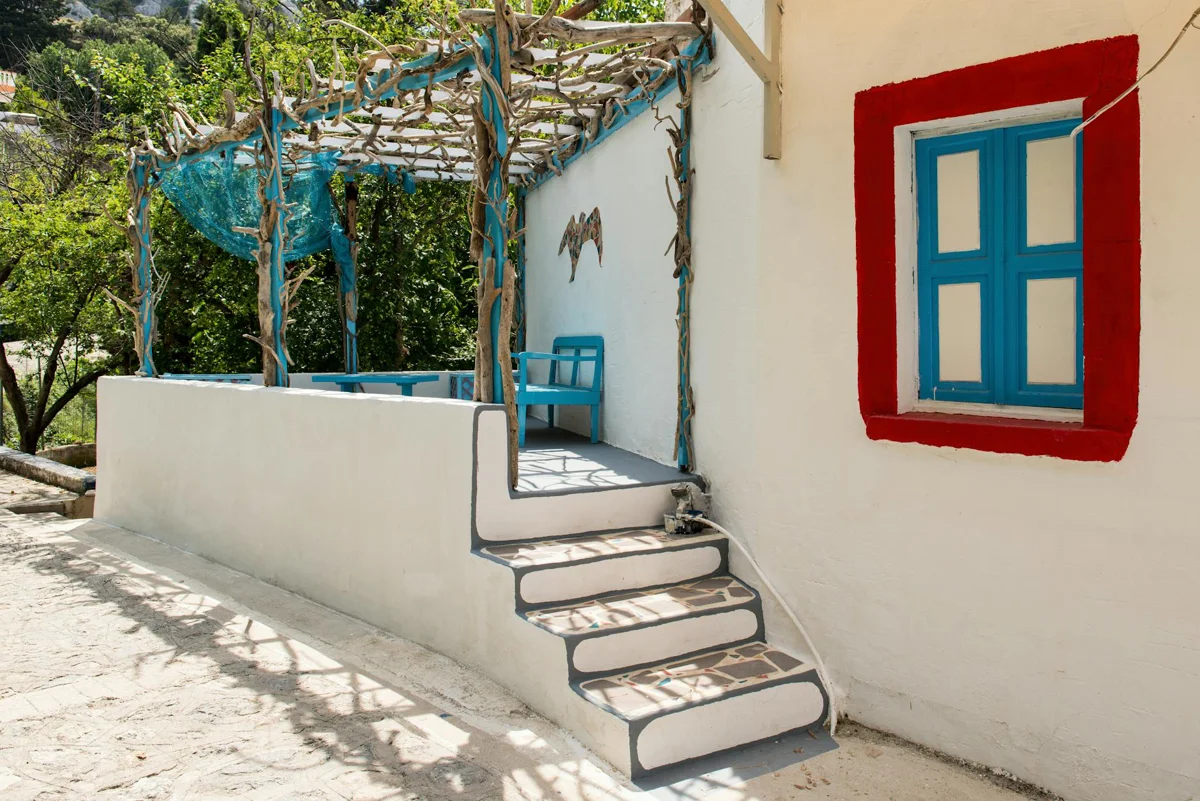
Greece, Alonissos: Mediterranean monk seal and the oldest marine park
The Alonissos-Northern Sporades National Marine Park, established in 1992, is the largest marine national park in the Mediterranean at 2,260 km². Its primary purpose is protecting the Mediterranean monk seal (*Monachus monachus*), with 30-50 individuals — the world's highest concentration of this critically endangered species. Regulated diving, recovering wildlife, and a genuine chance of an underwater seal encounter.
220 articles found