
Blog & News
Discover the best tips, travel guides, marine conservation news and secrets of the underwater world.
Cage-free great white shark diving: where and when it's real
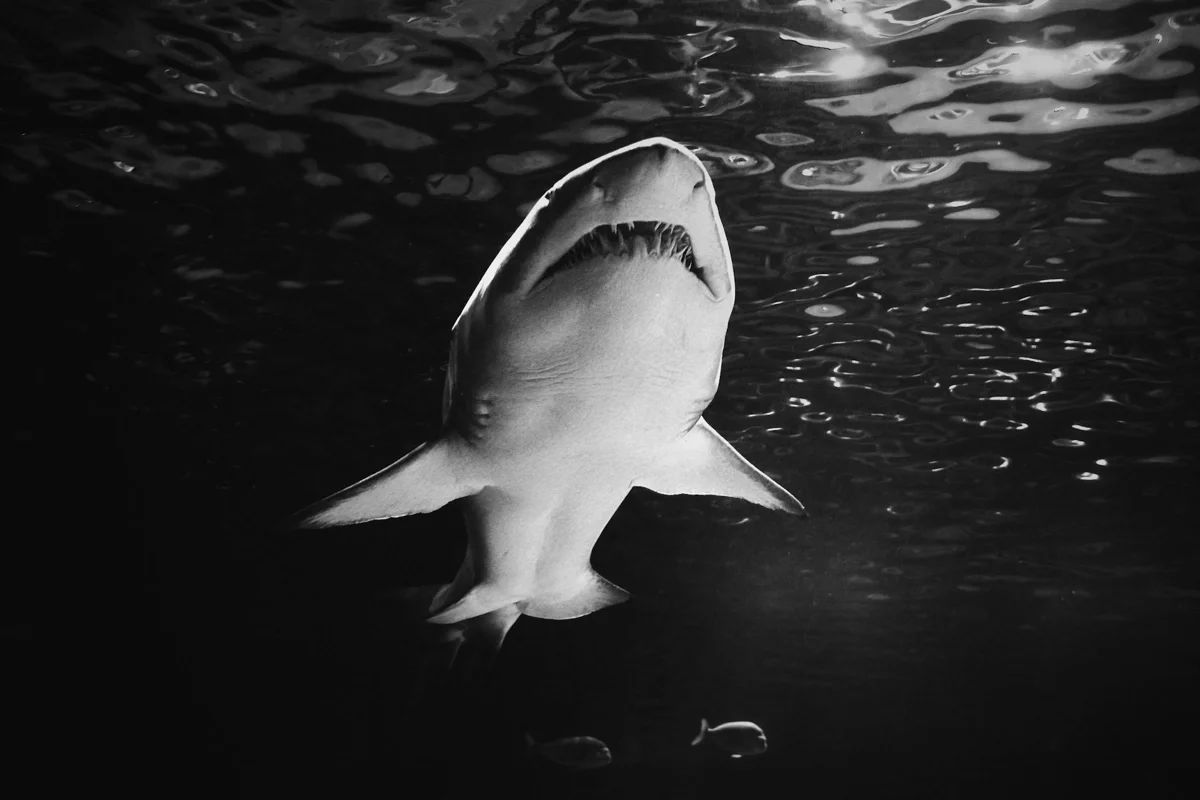
The great white shark (*Carcharodon carcharias*) carries a reputation as the ocean's deadliest animal. The numbers don't support that: fewer than 5 fatal attacks occur globally each year. Whether cage-free diving with great whites is viable is a legitimate question. The short answer is yes — at specific sites with specific operators — but the context matters before committing.
 Travel
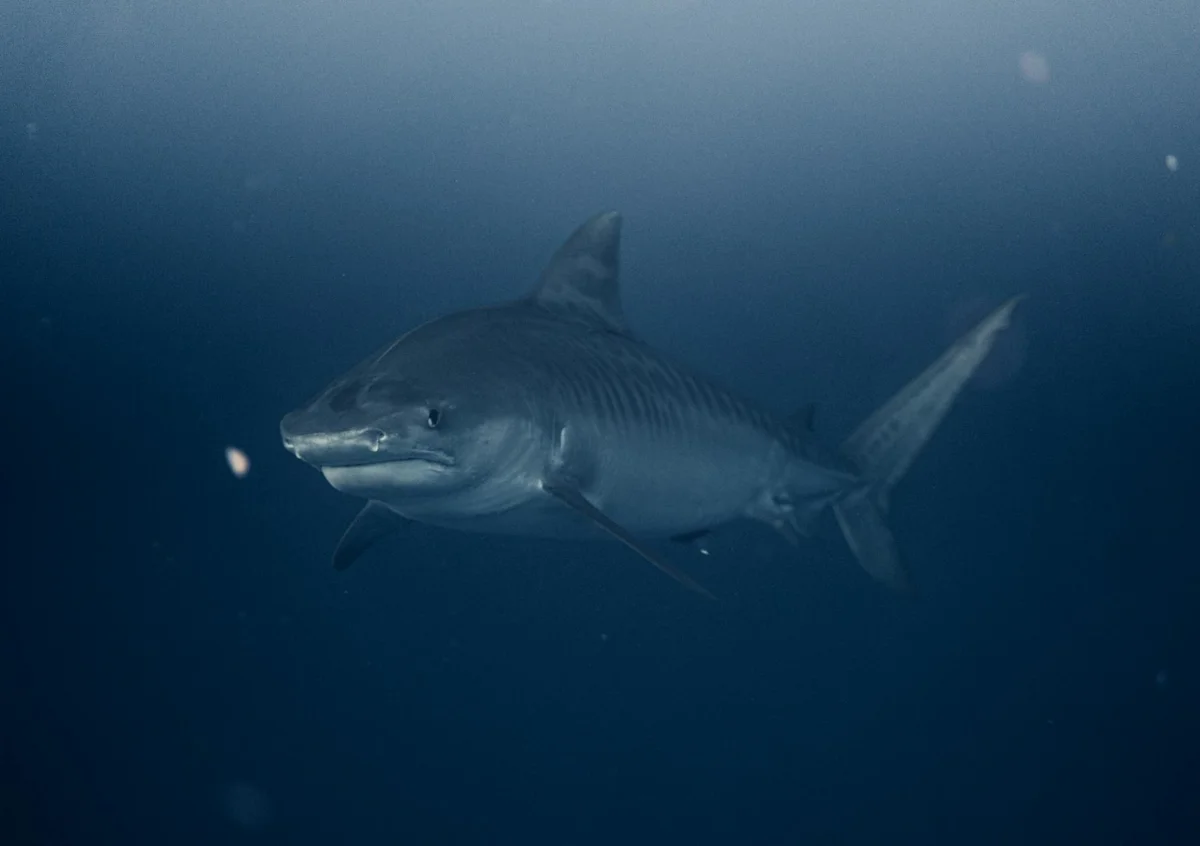
South Africa, Aliwal Shoal: tiger shark, sand tiger & Sardine Run
Aliwal Shoal is a 5 km sandstone reef south of Durban and arguably the most shark-diverse dive site on earth. Tiger sharks, sand tigers (raggies), bull sharks, grey reef sharks, oceanic whitetips, whale sharks, and the annual Sardine Run from May to July—when millions of sardines draw every predator in the Indian Ocean. For divers after sharks, nothing else compares.
 Equipment
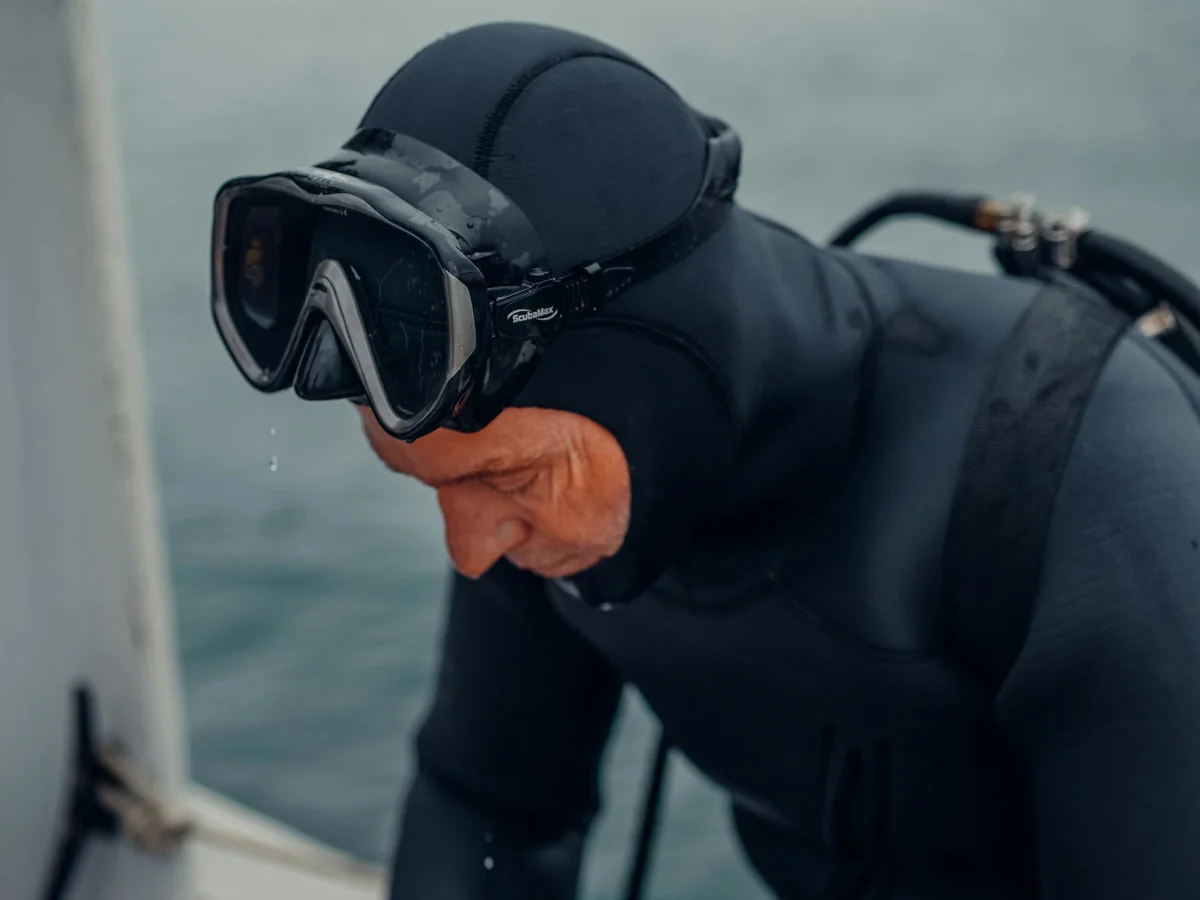
Drysuit comparison: trilaminate vs compressed neoprene
A drysuit is the most expensive and consequential purchase a cold-water diver makes. Two technologies dominate: trilaminate (three-layer membrane) and compressed neoprene. Each has real strengths. This comparison draws on 200+ dives with each type — no manufacturer spin, just honest observations about when one beats the other.
 Diving
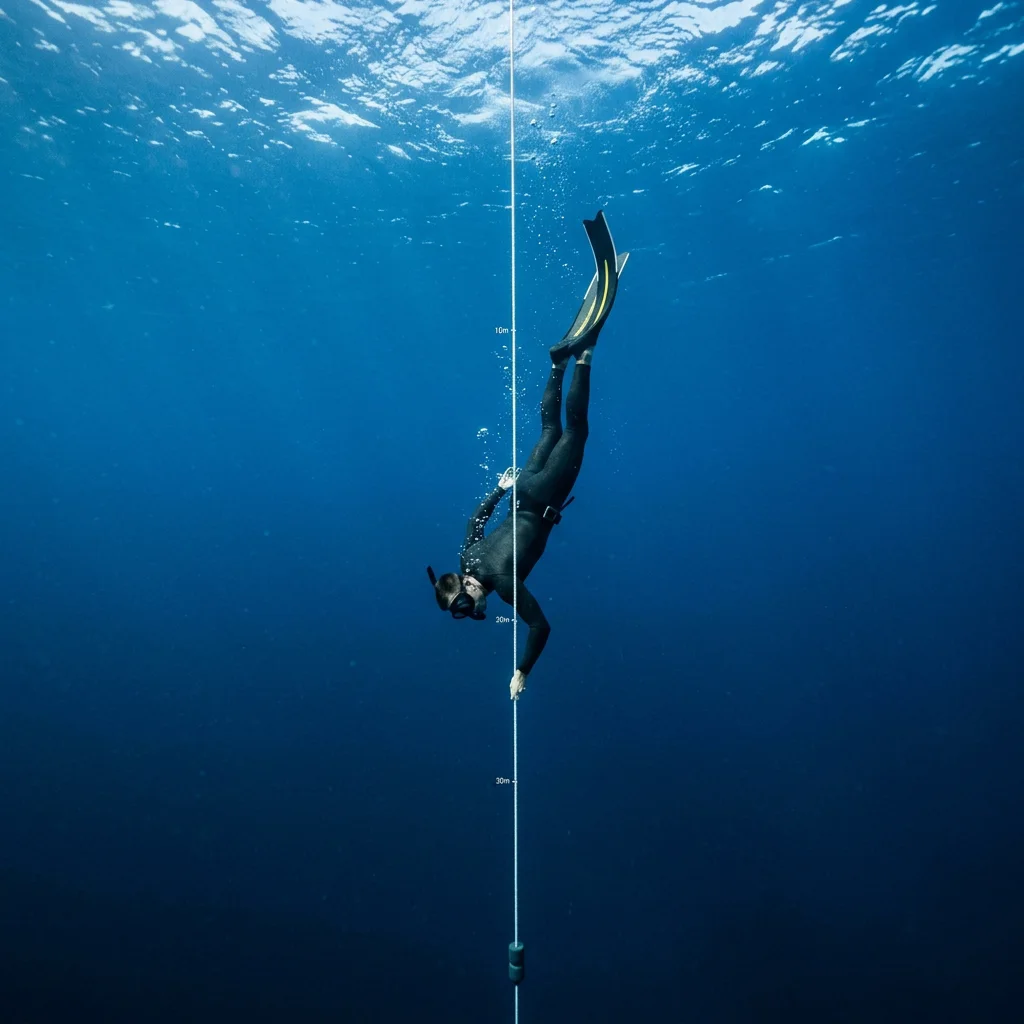
Apnea and freediving: how to start and progress safely in Spain
Discover how to start apnea and freediving safely. Learn about AIDA disciplines, the best spots on the Spanish coast to practice, and how to find courses and training partners.
 Travel
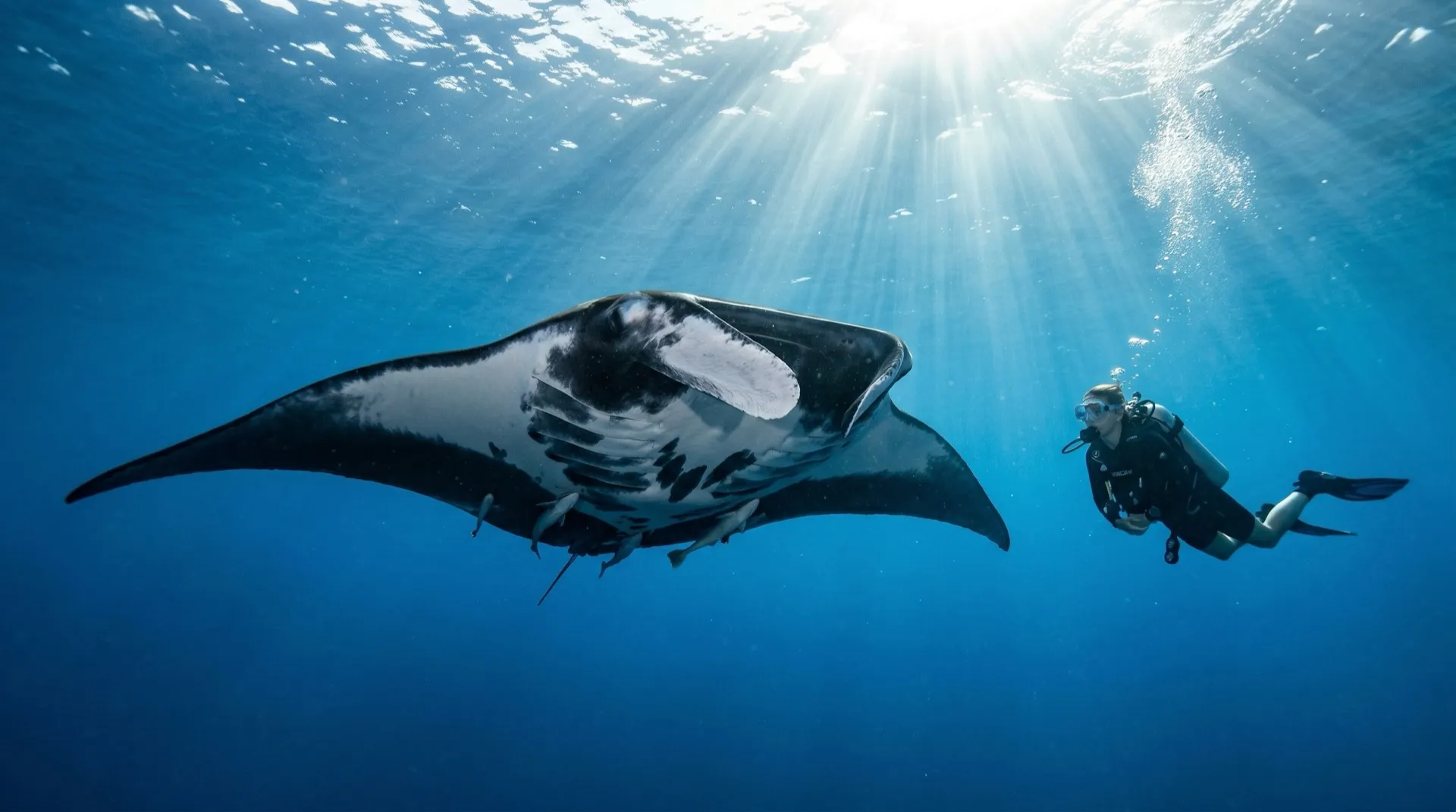
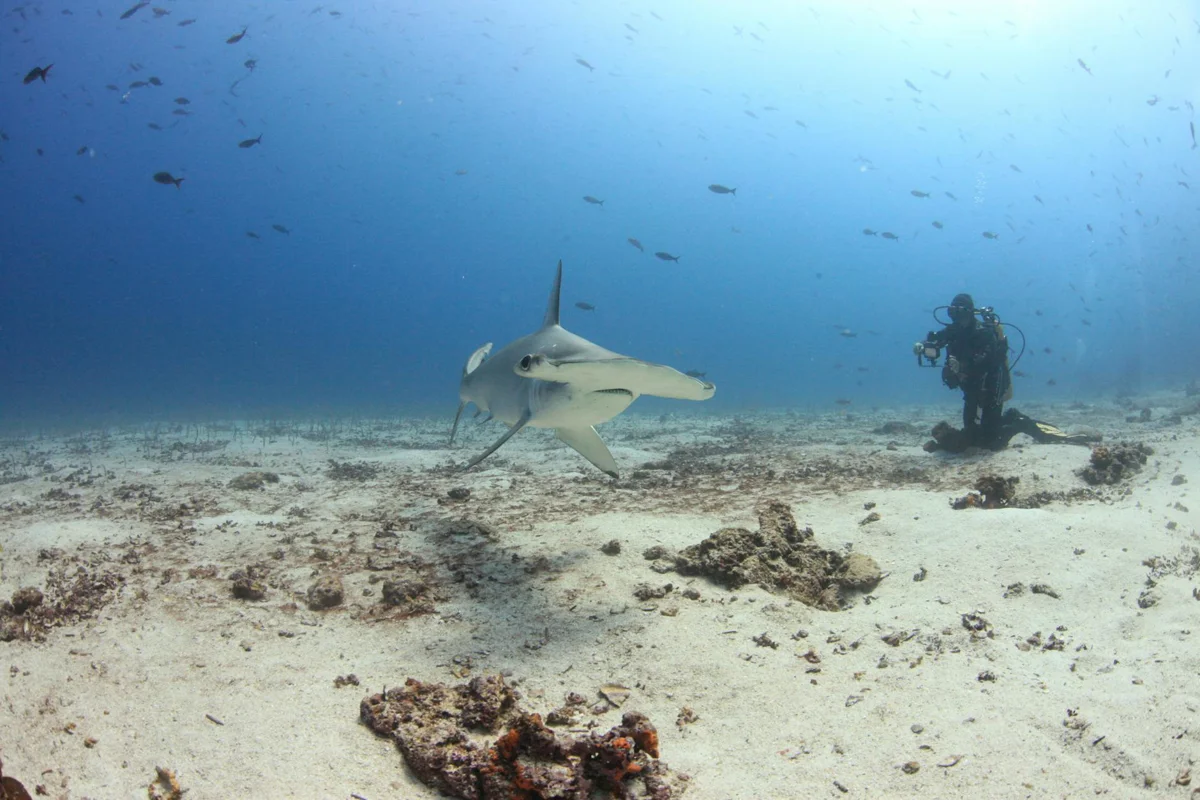
Galápagos: hammerhead sharks in 17-degree water
Galápagos is not a typical tropical destination. Water temperatures hover between 17 and 22 °C depending on the month, currents run hard, and the wildlife is relentless: schools of hundreds of hammerheads, oceanic mantas, whale sharks from June to November, endemic Galápagos sharks, sea lions, penguins. This is a destination for committed divers who want world-class pelagic megafauna.
 Marine Life
Nudibranchs and opisthobranchs: the taxonomic revolution that changes names
Bouchet and Rocroi 2005/2017, WoRMS dissolved the infraclass. 2024 new family Bathydeviidae. Genus and family changes are constant. iNaturalist for identification. Underwater photographers affected by renaming.
 Travel
Sipadan: why 120 daily permits are nowhere near enough
Sipadan is a tiny island off the northeast coast of Malaysian Borneo, in the Celebes Sea. Cousteau named it one of the five best dives on the planet. In 2004 Malaysia closed the island to tourist accommodation, capping entries at 120 divers per day across all operators. That cap has kept the wildlife intact in a way almost nowhere else managed.
 Tips
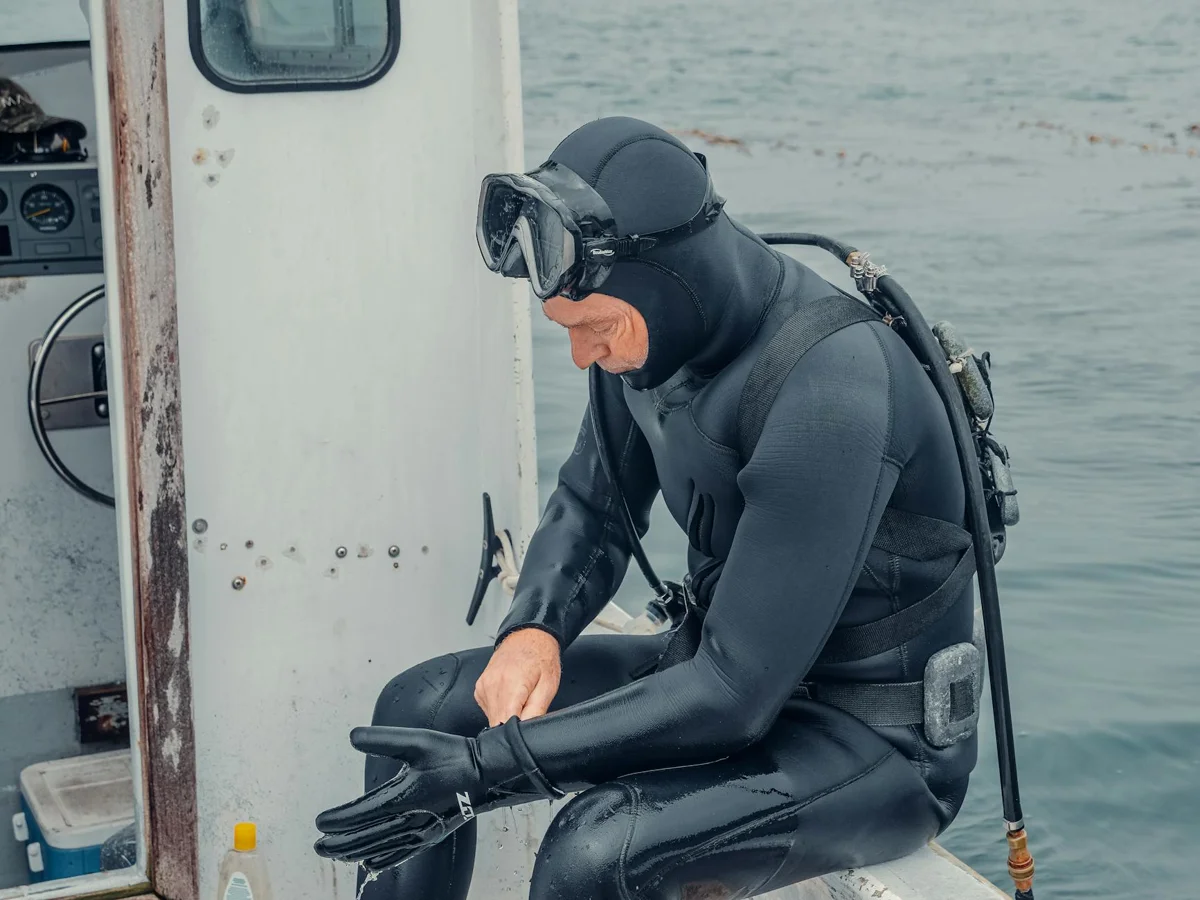
TipsWhy lean divers get cold faster than heavier ones
It's not bias or myth. People with less body mass and less subcutaneous fat lose heat faster underwater, full stop. It's physics, not a question of toughness. Knowing this helps you plan your gear, your dives, and understand why your buddy always wants to surface first — or why that buddy is you.
 Travel
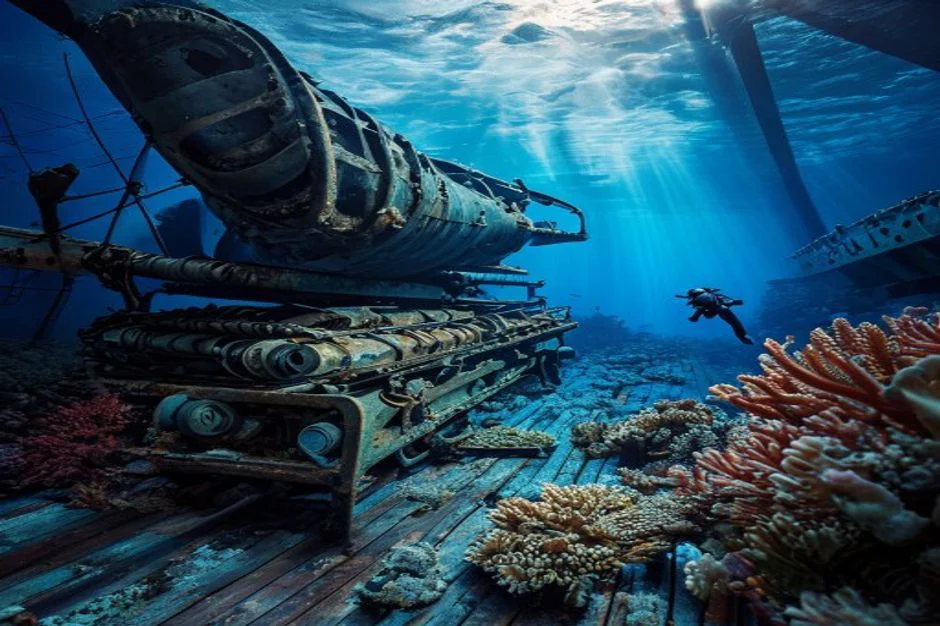
Chuuk vs Bikini Atoll: comparing the Pacific's two great wreck graveyards
Chuuk Lagoon (Micronesia) and Bikini Atoll (Marshall Islands) are the two most significant WWII wreck sites in the Pacific, each with a very different profile. Chuuk has 60+ Japanese ships sunk in February 1944, accessible at recreational depths. Bikini has 21 US vessels sunk during 1946-1958 nuclear tests, a premium operation with minimal residual radiation. This comparison helps divers choose the right destination.
 Health
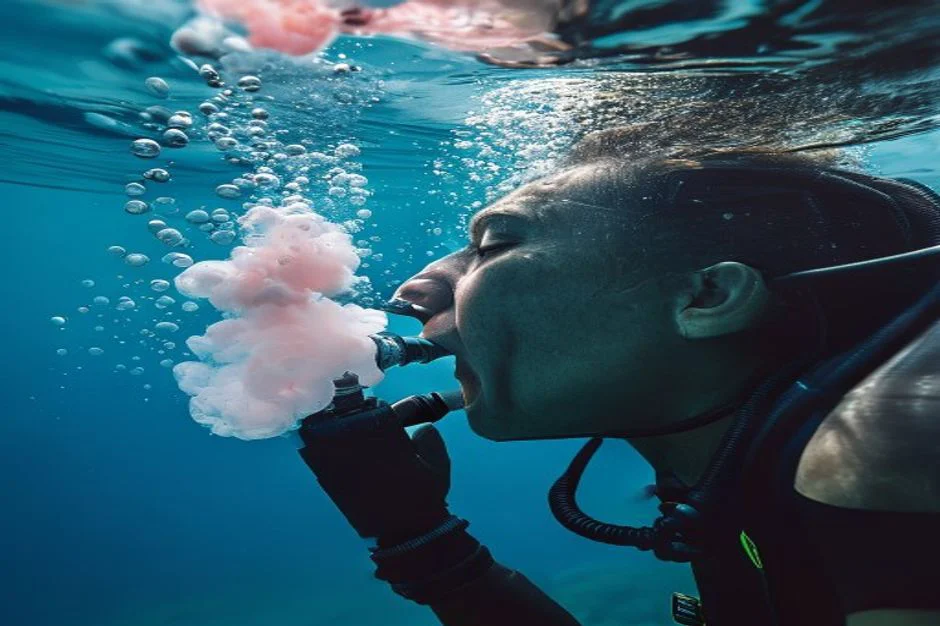
Swimming-induced pulmonary edema: cold water's hidden threat
SIPE — Swimming-Induced Pulmonary Edema — is a poorly understood but potentially fatal diving complication. It strikes more often in cold water, in divers over 50, and during heavy exertion. Symptoms mimic fatigue or swallowed water, and that confusion costs precious time. Recognizing it at the surface can be the difference between a full recovery and lasting cardiac damage.
 Travel
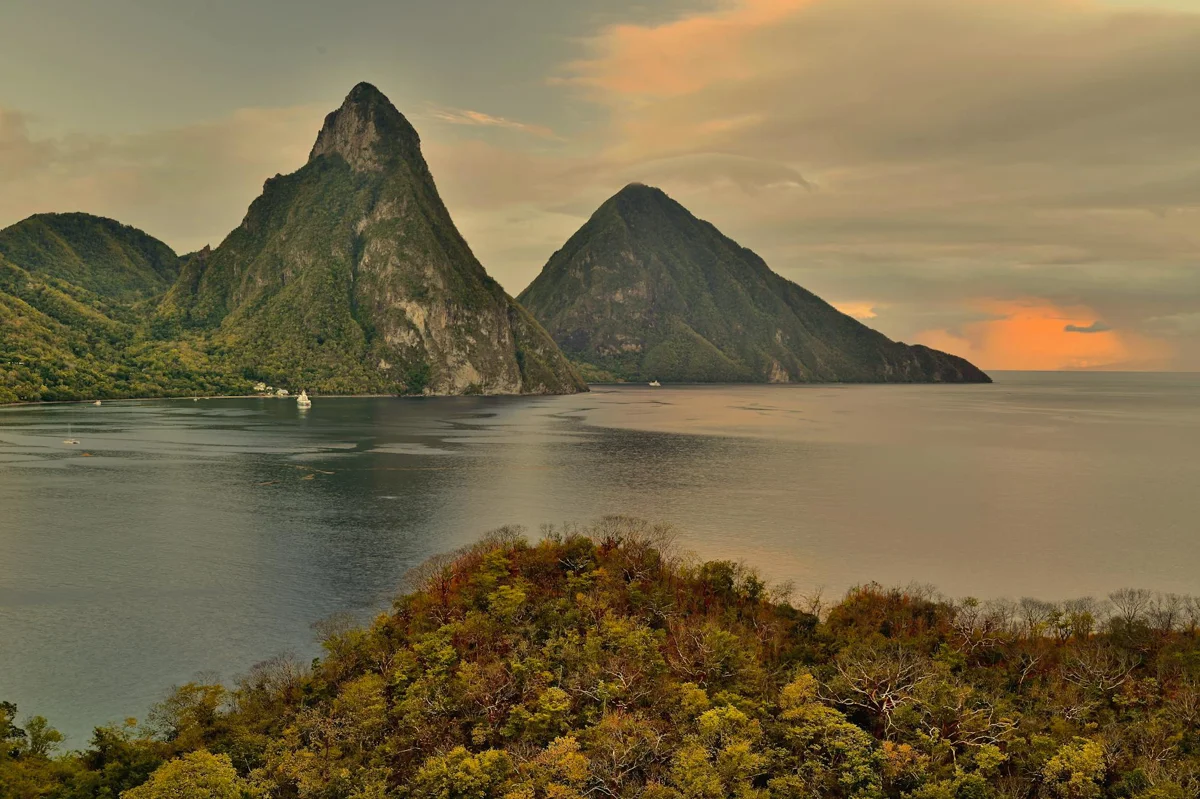
St. Lucia and Pinnacles: drift diving below volcanic peaks
Saint Lucia is a volcanic island in the eastern Caribbean, best known for the twin Pitons (UNESCO World Heritage). Diving centres on the west coast with vertical walls, drift dives and coral pinnacles in the shadow of Petit Piton (743 m) and Gros Piton (798 m). Works well combined with land adventure and is a popular honeymoon destination.
 Health
Tinnitus and diving: when ringing in the ears is a warning sign
Tinnitus after a dive may indicate serious cochlear damage. Discover when it requires urgent attention and what treatments exist.
 Equipment
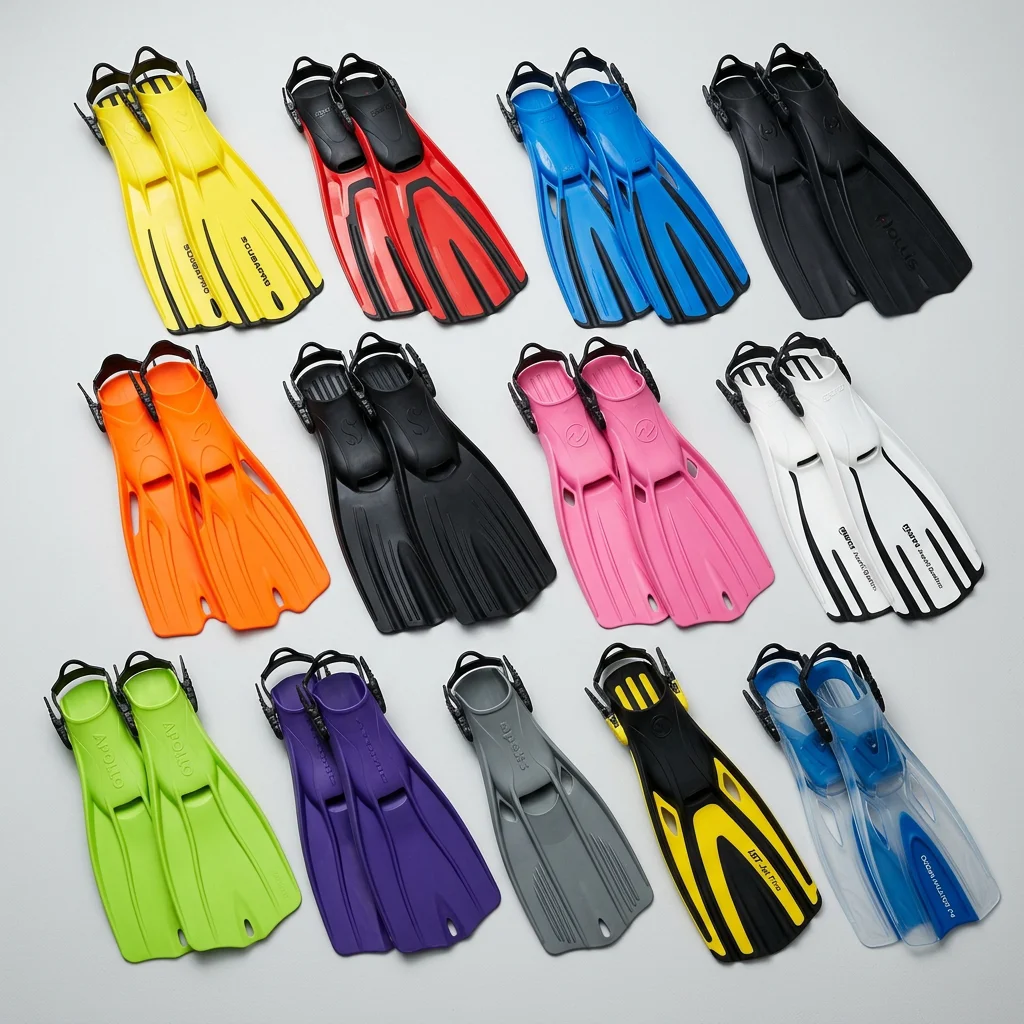
Diving fins guide: blade, split, carbon and how to choose
Split fins reduce effort by 40%. Blade fins offer greater propulsion. Discover material and type for your diving style.
230 articles found