Aliwal Shoal is a 5 km sandstone reef south of Durban and arguably the most shark-diverse dive site on earth. Tiger sharks, sand tigers (raggies), bull sharks, grey reef sharks, oceanic whitetips, whale sharks, and the annual Sardine Run from May to July—when millions of sardines draw every predator in the Indian Ocean. For divers after sharks, nothing else compares.
Aliwal Shoal lies 5 km off the coast of Umkomaas, KwaZulu-Natal, 50 km south of Durban. It is an ancient sedimentary—not coral—reef with walls and plateaus between 8 and 30 m. What sets it apart is the seasonal overlap of shark species: 13 documented in the surrounding waters. No other single reef comes close to that figure.
Sand tiger sharks (*Carcharias taurus*, known locally as raggies) are the most reliable encounter. Between June and November they gather in caves and on reef plateaus to mate, hovering in groups of 10 to 30 at 18–22 m, mouths slightly agape, teeth on full display. The signature dive is Cathedral, a reef crack where raggies rest in loose formation—one of the most photogenic shark dives in the world.
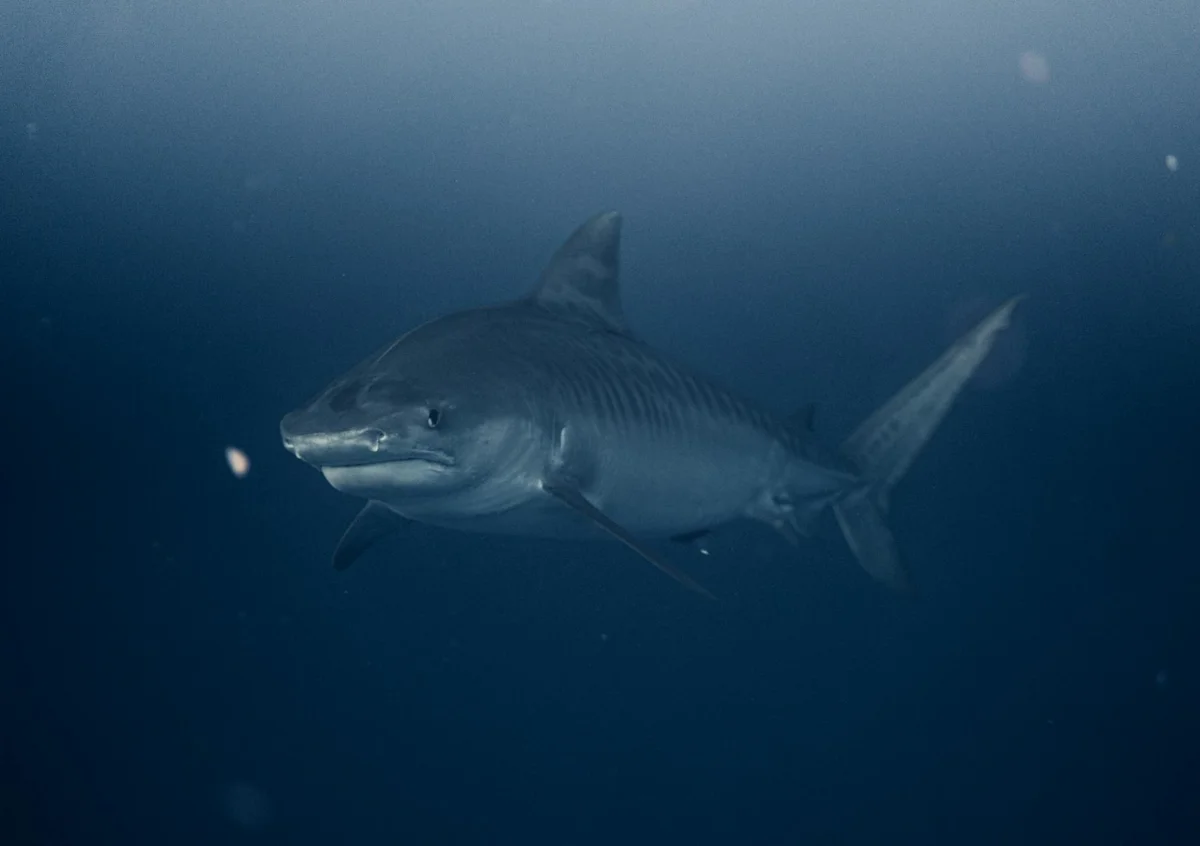
Tiger sharks (*Galeocerdo cuvier*) and bull sharks (*Carcharhinus leucas*) arrive seasonally from January to June, drawn by adult grouper migration. Operators run baited dives to guarantee sightings, which remains ethically and ecologically debated. Some centres work cage-free, others offer a cage option. Whether baited diving aligns with your ethics is a personal call: bait concentrates sharks but demonstrably alters their behaviour.
The Sardine Run unfolds from May through July. Billions of sardines push north along cold inshore currents and compress into bait balls ten to twenty metres across. Bronze whalers, common dolphins, Bryde's whales, Cape gannets and African penguins converge on them simultaneously. A successful Sardine Run day ranks among the most intense wildlife spectacles on the planet. Specialist operators sell 5–7 day packages departing from Port St Johns or Coffee Bay.
Other standout sites: Castle Rock (caverns stacked with raggies), Eel Skin (a high-current drift past morays and mantas), Outside Edge (soft-coral wall with stonefish and nudibranchs), Pinnacle (rock stack holding big grouper and barracuda schools). Depths run 12–30 m. Visibility ranges 8–25 m depending on the Mozambique Current and swell. Water temperature 18–26 °C; a 5 mm wetsuit is non-negotiable from June to August.
Getting there: fly to Durban via Istanbul, Doha or Dubai, or into Johannesburg with a one-hour domestic connection. The drive from Durban to Umkomaas takes 40 minutes with a hire car. Dive lodge doubles start around €60 per night. Single guided baited dives cost €70–90; four-dive packages run €280–350. Sardine Run all-inclusive five-day packages are priced at €1,500–2,500. Languages spoken: English, Afrikaans, Zulu.
The guides are what most divers don't expect. Aliwal Shoal operators are staffed by people who have dived these reefs for 20 to 30 years. They track individual sharks by markings, know exactly where species are on any given day, and run tight in-water safety protocols. A cage-free tiger shark dive with a seasoned South African guide is a fundamentally different experience from the same encounter with a hastily assembled operator in the Bahamas or Mexico.
Aliwal Shoal is a genuine top-ten global shark-diving destination. Species diversity, consistent encounters, solid infrastructure, and prices well below Bahamas or Galápagos rates make the case plainly. A week in June or July pairing Aliwal Shoal with the Sardine Run has no equivalent anywhere. South Africa simply delivers a density of apex predator action that no other single destination matches.