
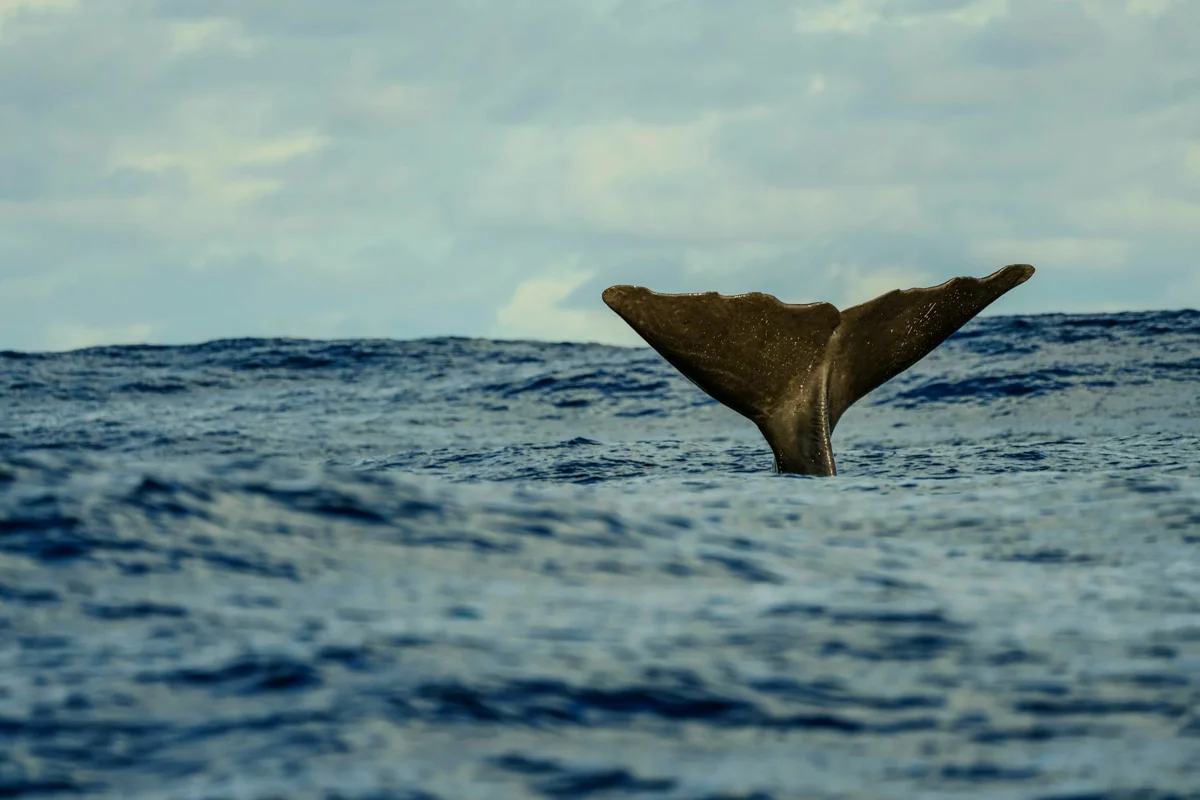
Dominica (not to be confused with the Dominican Republic) is a volcanic island in the eastern Caribbean, part of the Lesser Antilles. It is one of the few places in the Caribbean with resident sperm whales, with consistent sightings year-round. Champagne Reef has geothermal bubbles rising from the seabed, a phenomenon unique in the Caribbean. A destination for wild nature, not a mass resort.
Dominica (officially the Commonwealth of Dominica) is a 750 km² volcanic island between Guadeloupe (north) and Martinique (south), in the Lesser Antilles. It has been independent since 1978 (formerly a British colony). Population: 72,000. Capital: Roseau. Not to be confused with the Dominican Republic (a different country on the island of Hispaniola). Official language: English (plus French-Creole patois). No visa required for Europeans (90 days). Currency: Eastern Caribbean dollar (XCD).
Underwater geography: Dominica is the most volcanically active island in the eastern Caribbean, with 9 potentially active volcanoes (Boiling Lake, Morne Trois Pitons, Morne Diablotins). The coastline drops sharply to depths of 1,000+ m just 200 m from shore. This steep drop creates coastal habitat for oceanic pelagic fauna. Water temperature ranges from 26 °C in February to 29 °C in September. Visibility 18–30 m. Submarine geothermal activity (bubbles, hot springs) is present at several sites.
Sperm whales: Dominica is one of the few places in the Caribbean with resident sperm whales (Physeter macrocephalus) present consistently throughout the year. The resident population numbers 200–300 individuals. It is the only Caribbean country that issues official permits for snorkelling with sperm whales (Whale Watching Permit). Boat sightings exceed 80% during peak season (November–March). Authorised snorkel encounters are strictly regulated: maximum 3 swimmers per encounter, 6 m distance, limited time in the water.
Champagne Reef: a site unique in the Caribbean, with geothermal bubbles rising from the sandy bottom at 5–15 m depth. The bubbles are CO₂ and steam from underground volcanic activity (non-toxic). The site is shallow, well suited to snorkelling and beginner diving. Coral condition is moderate (heavily visited area). One of the most photogenic dive sites in the Caribbean.
Other notable sites: 1) Scotts Head Pinnacle (coral pinnacle with vertical walls, 18–35 m). 2) Soufriere Bay (coral gardens with turtles, 12–22 m). 3) L'Abym (vertical walls and caves, 22–40 m). 4) Salisbury (drift dive with currents, 18–30 m). 5) Cabrits National Park (north, deep walls and pelagic fauna). 6) Coral Gardens (shallow coral garden, 8–18 m). 7) Whale Shark Wall (deep wall with seasonal visits, 25–40 m). Coral condition is moderate; pelagic fauna visits occasionally.
Logistics and costs: flights to Dominica (DOM, Douglas-Charles Airport) require a connection through Antigua, Barbados, Puerto Rico, Saint Lucia or Guadeloupe (no direct transatlantic flights). Dive operators: Anchorage Dive Center, Dive Dominica, ALDive, Fort Young Dive Center. Cost per dive: €50–65. Whale-watching trip (half day): €100–180. PADI Open Water course: €450–550. Accommodation: guesthouses from €60, hotels €100–200, eco-resorts €150–300.
What surprises visitors: the land nature. Dominica is the most unspoiled island in the eastern Caribbean, with 60% forest cover. Morne Trois Pitons National Park (UNESCO 1997) has 16 volcanic craters, a boiling lake (Boiling Lake, the second largest in the world), fumaroles and hot springs. Trails include the Waitukubuli National Trail (185 km, 14 segments). Combines well with diving for a mixed diving + hiking + tropical nature trip. The best land-nature offering of any Caribbean destination.
In summary: Dominica stands out in the Caribbean for its resident sperm whales (year-round sightings), the geothermal Champagne Reef, and pristine land nature. It is not a mass-resort destination: modest hotel offer, basic infrastructure, limited flight connections. For a Caribbean shore-diving destination with abundant coral, Bonaire is the better pick. For a combined cetaceans + diving + hiking + culture trip, Dominica has no rival in the Caribbean. Best from November to March (sperm whale season and optimal weather). Can be paired with Guadeloupe or Martinique for a Lesser Antilles circuit.