
The Enriched Air Nitrox (EANx) course extends bottom time on recreational dives and cuts post-dive fatigue. It ranks among the most practical certifications after Open Water and Advanced. This guide covers the real benefits, what the course teaches, what it costs, and the oxygen toxicity risks that most instructors underemphasise.
Surface air contains 21 % O₂ and 78 % N₂. Enriched air nitrox shifts that balance — typically to 32 % O₂ (EAN32) or 36 % O₂ (EAN36). Less nitrogen in the mix means slower tissue saturation at depth, which directly extends the NDL (No-Decompression Limit). At 25-30 m, EAN32 routinely adds 20-30 % more bottom time compared with standard air.
Four concrete benefits: first, longer bottom time — the headline advantage, especially on repetitive profiles. Second, reduced post-dive tiredness, linked in the scientific literature to lower residual nitrogen load. Third, an inherent NDL safety buffer: if you plan to air tables but breathe EAN32, you carry built-in margin. Fourth, near-essential on liveaboards where four dives a day are standard; nitrox simply makes the schedule sustainable.
Nitrox-specific risks deserve equal attention. Oxygen toxicity (OxTox) becomes a real hazard when partial pressure of O₂ exceeds safe thresholds at depth. The MOD (Maximum Operating Depth) is calculated at 1.4 bar PpO₂ for recreational use and 1.6 bar as a contingency limit. EAN32 sets MOD at 33 m; EAN36 caps at 28 m. Descending below MOD risks convulsion and drowning. The second risk is skipped analysis: every cylinder must be checked with an O₂ analyser before the dive — the course teaches this, yet many divers apply it inconsistently.
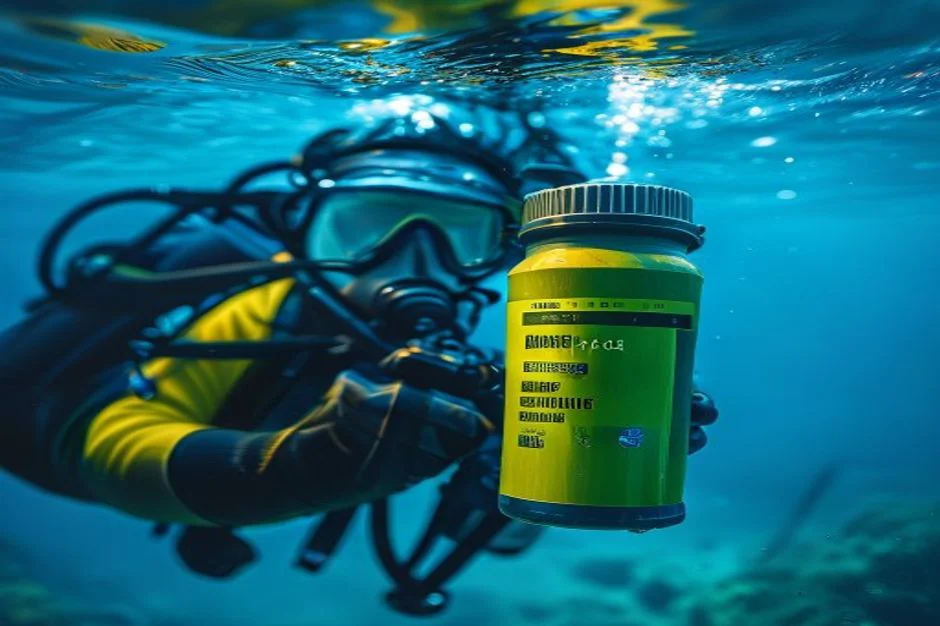
The course covers: partial pressure theory, MOD formulas, and gas blend calculations; O₂ analyser technique and cylinder labelling (the green-and-yellow nitrox markings); dive planning with nitrox-mode computers or tables; OxTox symptom recognition; and one or two open-water dives breathing actual EAN. Duration is typically one to two days, weighted toward theory with a practical day at the end.
Cost runs 150-280 € depending on the dive centre and country. Bundling it with Advanced certification usually brings the price down. Nitrox fills carry a surcharge of roughly 5-10 € per cylinder over standard air. On a liveaboard week with 25 nitrox dives, that premium adds 125-250 € to the trip — enough to pay for the course itself if this style of diving is on the agenda.
Timing the certification: the common wisdom of 'your body asks for it at 50 dives' holds up reasonably well. The more precise trigger is three or more dives per day — liveaboards, intensive trip weeks — or persistent fatigue after repetitive diving. Below 30 logged dives, nitrox offers little practical gain; past 50, the case for it is almost always clear.
What rarely gets said openly: a number of dive centres push nitrox as an upsell at Open Water checkout, or frame it as a prerequisite for Advanced. It is neither. Wait until 30-50 dives and certify when you will actually use enriched air on a regular basis. On the academic side, the course material is straightforward, but the partial pressure section demands genuine understanding — not surface familiarity. If the MOD maths does not click immediately, revisit it until it does. Oxygen toxicity is a real risk that is almost entirely preventable with correct calculations.
Bottom line: the nitrox certification is among the best value continuing-education investments for any serious recreational diver. For 150-280 € you gain 20-30 % more bottom time and measurably less fatigue. Divers who make the switch to enriched air rarely go back to standard air. Two things worth avoiding: diving nitrox without certification — illegal in most jurisdictions and no reputable centre will fill your cylinders — and treating nitrox as a depth-extension gas. It is not. Its purpose is more time at depth, not greater depth.