
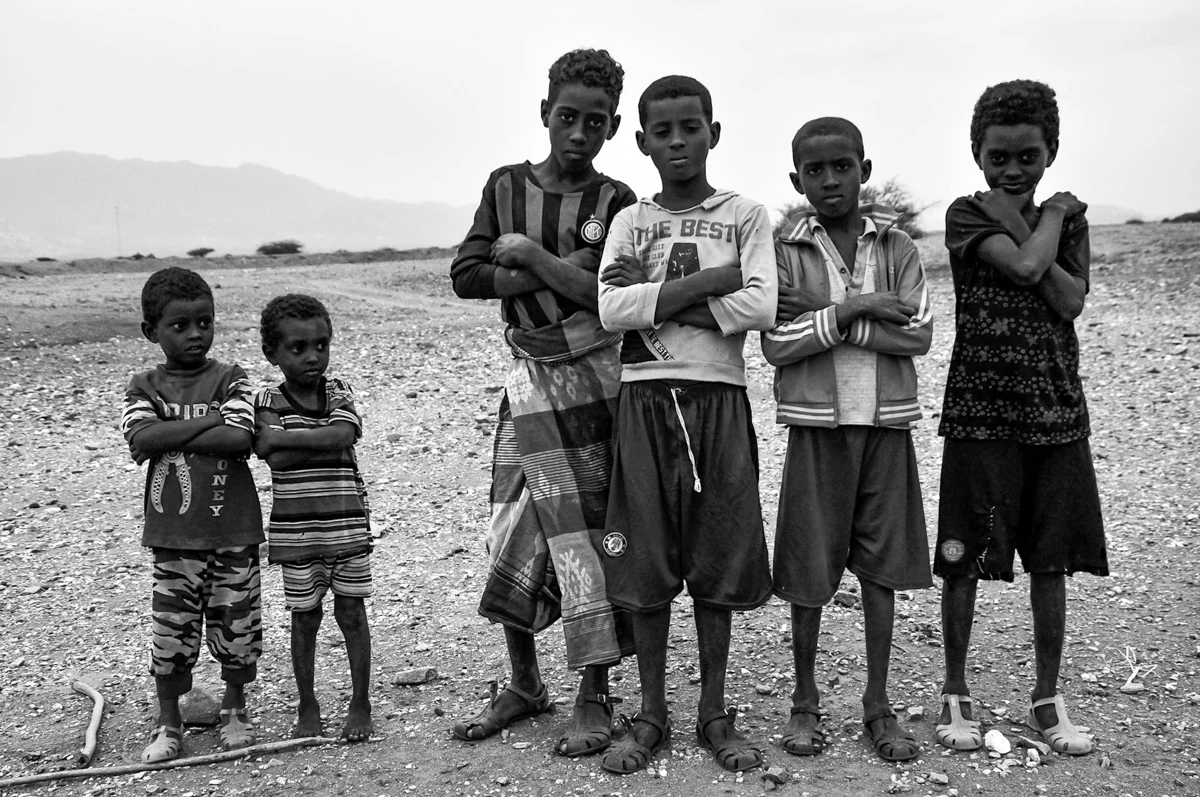
Eritrea sits on the Horn of Africa along the Red Sea, with 1,000 km of coastline and the Dahlak archipelago (350 islands). It is one of the least-explored Red Sea destinations: colonial Italian wrecks, pristine reefs and virtually no tourism. Operations are difficult due to political restrictions, but the 2025-2030 window allows access via Massawa. A destination for patient explorers only.
Eritrea is a Horn of Africa country independent since 1993, when it separated from Ethiopia. It has 6 million inhabitants across 117,600 km² and 1,000 km of Red Sea coastline — the second longest Red Sea coast after Saudi Arabia. The capital is Asmara (inland). The main port and diving base is Massawa. Languages: Tigrinya, Arabic, English (operational). Currency: nakfa (ERN), barely convertible. The country was closed to tourism for decades and has been cautiously opening since 2018.
Underwater geography: the Eritrean coast has the widest continental shelf in the Red Sea (up to 80 km across). This makes its waters richer in plankton and biodiversity than the coasts of Egypt or Sudan. Water temperature ranges from 25 °C in February to 32 °C in August (warm due to geography). Visibility 20-40 m depending on the area. The Red Sea's high salinity combines with local upwelling productivity. The area sees regular manta ray and whale shark transits.
Dahlak Archipelago: 350 islands and islets off Massawa, a national park since 1995. The islands are low and sandy (non-volcanic). Main sites: 1) Dahlak Kebir (the largest, coral walls and sand, 12-30 m). 2) Difnein (remote islet, oceanic manta rays, 18-35 m). 3) Dur Gaam (whale shark area from March to May). 4) Norah Island (corals in pristine condition, 15-25 m). 5) Nokra (former Italian base, colonial wrecks). This is an area where Italy maintained prisoner camps and naval operations during WWI and WWII.
Italian wrecks: during the Italian colonisation of Eritrea (1890-1941), Massawa served as the Royal Italian Navy's base. After the Italian surrender in 1941, the British sank several Italian vessels to disable the port. Accessible wrecks include: Urania (merchant motor ship sunk in 1941, 25 m), Nazario Sauro (destroyer, 32 m), XXIII Marzo (cargo ship, 28 m), Plinio (auxiliary vessel, 18 m). This concentration of Italian colonial wrecks is comparable only to mainland Italy.
Current operations: diving in Eritrea is very limited. There is a single stable operator: Eritrean Diving Center (EDC) in Massawa, government-linked. Permits for Dahlak require advance processing (4-8 weeks) through the Ministry of Tourism. Operations run at half capacity and depend on the political climate. The most practical option is an organised expedition with international operators (Sudan-Eritrea combined liveaboard, departing from Port Sudan or Massawa). Costs: €3,000-4,500 for a 10-day trip.
Logistics and costs: flights to Asmara (ASM) from Frankfurt (Lufthansa), Doha (Qatar), Dubai, Istanbul. Logistics are complex: overland transfers to Massawa (3-4 hours by road from Asmara), photography permits, movement restrictions. Visa required with operator invitation. Recommendations: travel with an established operator, bring US dollars in cash (limited banking infrastructure), do not photograph military installations. Accommodation in Massawa: modest hotels €50-100 per night.
What disappoints: the political restrictions. Eritrea is one of the most closed countries in the world (authoritarian regime, zero press freedom, sporadic international sanctions). Permits can be cancelled without notice. Operations can be disrupted by tensions with Ethiopia or Yemen. Tourist infrastructure is basic. Large pelagics (tiger sharks, hammerheads) were overfished in past decades. For a stable, predictable destination there are better alternatives in the Red Sea (Egypt, Sudan, Saudi Arabia).
The bottom line: Eritrea Dahlak is a destination only for divers with remote-area experience, bureaucracy patience and budget. Unique Italian colonial wrecks (the best concentration on the African Red Sea), pre-tourism pristine reefs, pilot whales and whale sharks in season (March-May). As a conventional destination with smooth operations, it is not the right choice. As a historical and exploratory Red Sea destination, it is unique. The 2025-2030 window may be optimal if the political opening holds; beyond that, uncertain. Combinable with Sudan for a complete African Red Sea trip.