
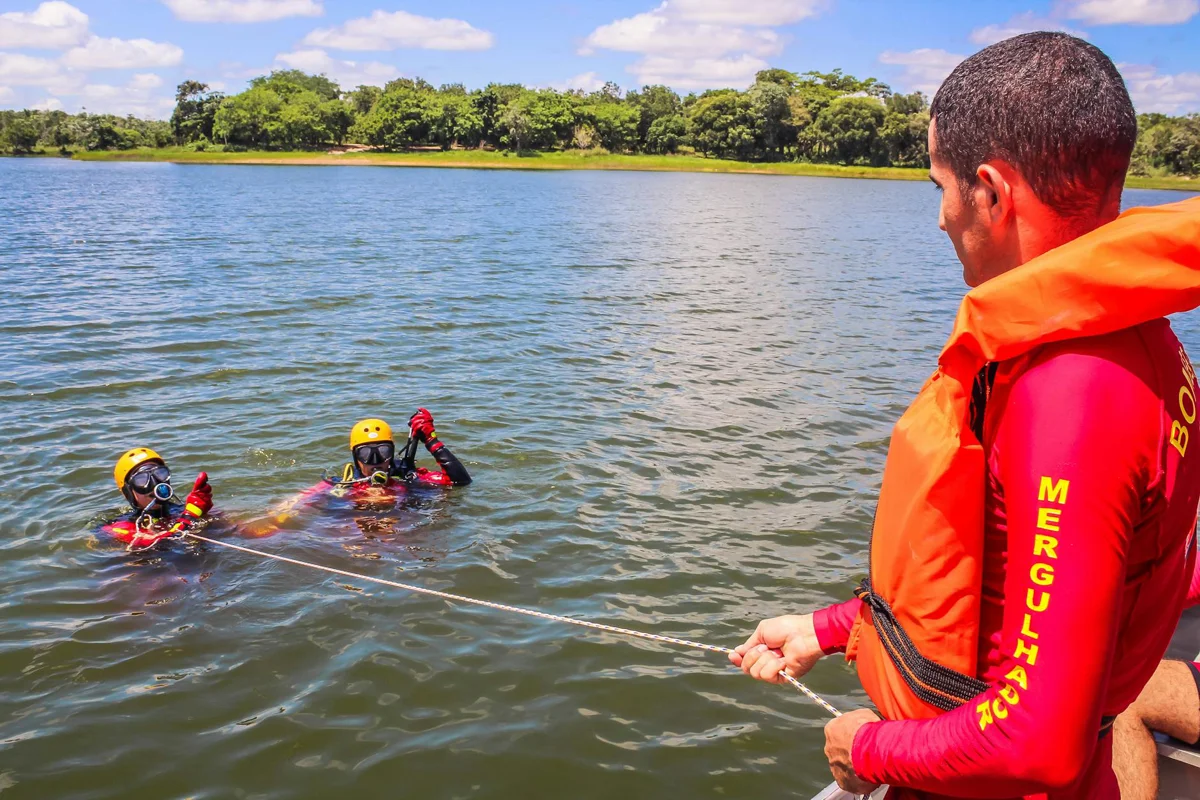
Shallow water blackout in freediving and SIPE in scuba claim experienced divers every year — no warning, no reaction window, no second chance. Both syndromes are poorly understood outside specialist circles, yet both follow predictable physiological patterns. Understanding what drives each one remains the only line of defence that actually holds.
Two distinct conditions get lumped together under the loose label of immersion syndrome. Shallow water blackout (SWB) strikes the freediver ascending to the surface: oxygen levels collapse below the threshold for consciousness just as the diver is about to take that first breath. Swimming-induced pulmonary edema (SIPE) is something else entirely — fluid accumulating in the lungs driven by hydrostatic pressure, cold water, and cardiovascular stress. Both can kill silently, but the mechanisms, and therefore the countermeasures, are completely different.
SWB happens because the human body has no reliable low-oxygen alarm. What it does have is a CO₂ sensor: when carbon dioxide rises, the urge to breathe becomes overwhelming. Hyperventilate before a dive and you artificially flush out CO₂, delaying that signal. Meanwhile oxygen keeps dropping. When saturation hits around 50 %, the brain shuts off — no warning twitch, no last-minute gasp. Mouth opens, water enters, drowning follows within seconds.
That is why competent freedivers always dive with a surface buddy and cap pre-dive breathing at two or three calm breaths, never a rapid series of deep ones. Solo apnea training in a pool has killed world-class freedivers over the past two decades. A pool that is two metres deep looks harmless, but a SWB blackout without a buddy present is a death sentence. The water does not need to be deep to drown you.
SIPE operates through a different pathway and is most common in scuba divers. Hydrostatic pressure shifts blood centrally toward the chest, cold water constricts peripheral vessels, and sustained effort raises cardiac output — together they can tip an otherwise healthy heart into acute pulmonary edema. The diver feels like they are drowning even with a full tank, coughs up pink frothy fluid at the surface, and may deteriorate rapidly. Many victims have undiagnosed hypertension or latent cardiac issues they were completely unaware of.
SIPE is far less rare than the diving community tends to assume. Studies on military divers and triathletes report incidence rates of 1–2 % in cold water. Under-recognition is the real problem: symptoms — coughing, breathlessness, pink foam — are easily mistaken for exertion or swallowed water. Anyone who surfaces with those signs should exit the water immediately, remove equipment, and call emergency services. Even if they feel better within thirty minutes, arrhythmia and cardiac dysfunction must be ruled out before diving again.
One pattern runs through both SWB and SIPE fatalities: victims are typically fit, experienced people — not clumsy beginners. The logic is grim but coherent. Novices dive in controlled settings, avoid long breath-holds, stay out of frigid water. Experienced divers push limits, unknowingly hyperventilate during warm-ups, practice competition-style static apnea, and dive in 6 °C open water. Experience gives you the confidence to approach the edge; the edge is indifferent to your credentials.
SWB prevention rests on three non-negotiable rules: no hyperventilation before any dive, never freedive alone, and every buddy pair must have a practised blackout protocol — shoulder taps, the LMC check, eyes on for 30 seconds after surfacing. SIPE prevention requires an annual cardiology review from age 45, avoiding dehydration before cold-water dives, not pushing against strong currents in freezing conditions, and being honest about hypertension and any medication that affects cardiovascular response.
The uncomfortable truth is that immersion syndrome is not something experience protects you from — knowledge and discipline do. Every year divers who spent two decades doing everything right make one small, unfamiliar choice without realising it crosses a line. If you do not understand why shallow water blackout happens, you are a candidate for it. Understanding it will save you almost every time. Almost.