
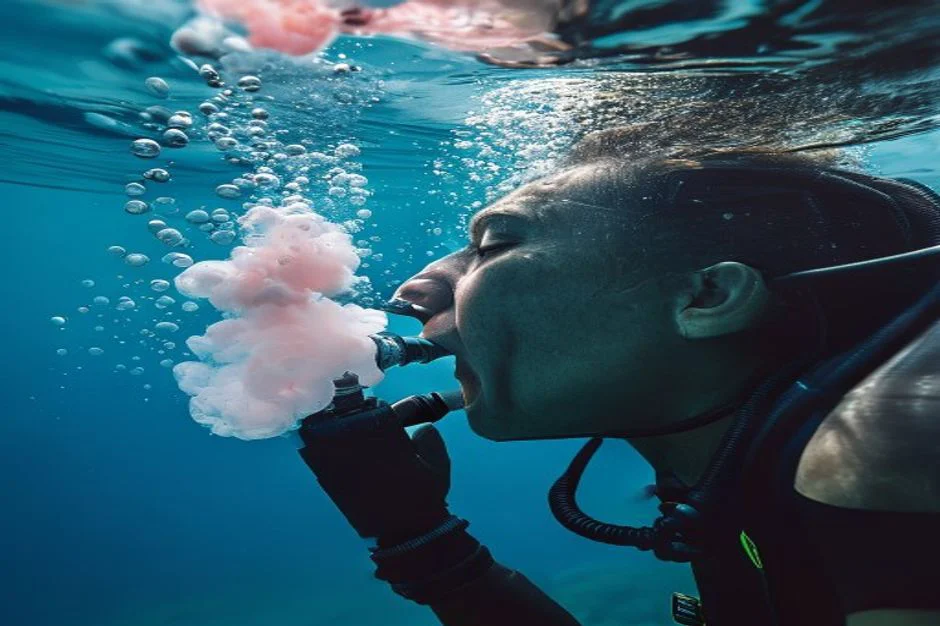
SIPE — Swimming-Induced Pulmonary Edema — is a poorly understood but potentially fatal diving complication. It strikes more often in cold water, in divers over 50, and during heavy exertion. Symptoms mimic fatigue or swallowed water, and that confusion costs precious time. Recognizing it at the surface can be the difference between a full recovery and lasting cardiac damage.
SIPE is the sudden accumulation of fluid in the pulmonary alveoli, driven by the combined stress of hydrostatic pressure, cold water, and physical exertion. The mechanism is straightforward: water pressure forces blood inward from the limbs toward the chest, raising pressure in the pulmonary capillaries. When the heart cannot handle that extra load efficiently, plasma leaks into the alveoli. The result is pulmonary edema — progressive shortness of breath and a genuine risk to life.
Key risk factors: 1) Age over 50 (latent hypertension or reduced cardiac reserve). 2) Cold water below 14 °C (intense peripheral vasoconstriction). 3) Hard exertion — fighting a current, heavy gear, poor buoyancy control. 4) Pre-dive overhydration (expanded blood volume). 5) Undiagnosed hypertension. 6) Previous breath-hold or intensive freediving. When cold water and heavy exertion combine, incidence can reach 1-2 % — far higher than most divers expect.
Symptoms in order of appearance: 1) A dry, persistent cough underwater or immediately on surfacing. 2) A sensation of drowning despite a working regulator. 3) Pink foam on coughing — the classic sign of fluid in the alveoli. 4) Disnea on exertion, such as struggling to climb back onto the boat. 5) An audible gurgling sound with each breath. 6) In severe cases: pallor or cyanosis (bluish skin), loss of consciousness.
Common misreading: divers routinely blame post-dive cough and shortness of breath on swallowed water, tiredness, or seasickness. That delays diagnosis. The critical difference is timing: swallowed water clears in 5-10 minutes; SIPE worsens or holds steady. If coughing and difficulty breathing persist past 30 minutes at the surface, this is not swallowed water — treat it as a medical emergency.
Immediate actions if SIPE is suspected: 1) Stop all diving at once. 2) Sit upright with the chest elevated — do not lie flat. 3) Administer 100 % oxygen by mask. 4) Call emergency services immediately (112 in Europe, 911 in the USA). 5) Go to a hospital with a cardiology department, not a dive clinic — the core treatment is cardiac stabilization, not recompression. 6) No flying until full medical clearance, at least 7-14 days.
Hospital workup will include an ECG, an echocardiogram to assess cardiac function, blood tests (elevated BNP signals cardiac stress), and a chest X-ray showing pulmonary edema. Treatment: oxygen, diuretics to remove excess fluid, and continuous cardiac monitoring. Most cases resolve within 12-48 hours with prompt care. Left untreated, SIPE can progress to respiratory failure.
Prevention: 1) Annual cardiac check-up from age 45-50, especially with risk factors — hypertension, smoking, excess weight. 2) Avoid pre-dive dehydration, but do not overhydrate either; normal fluid intake is sufficient. 3) Proper weighting — unnecessary exertion is a reliable trigger. 4) Gradual cold-water acclimatization. 5) Never dive with a cold or respiratory infection. 6) After any SIPE episode, avoid returning to the same conditions — cold water combined with hard effort.
The bottom line: SIPE is a real and underrecognized complication, particularly among older divers in cold water. Its most distinctive sign is pink foam when coughing. When symptoms appear, call emergency services without delay. On the prevention side: cardiac screening, sensible hydration, avoiding extreme effort, and honest awareness of your own limits in cold water. Catching SIPE at the dive boat rather than two hours later in a hospital emergency room is what separates a manageable event from permanent cardiac injury.