
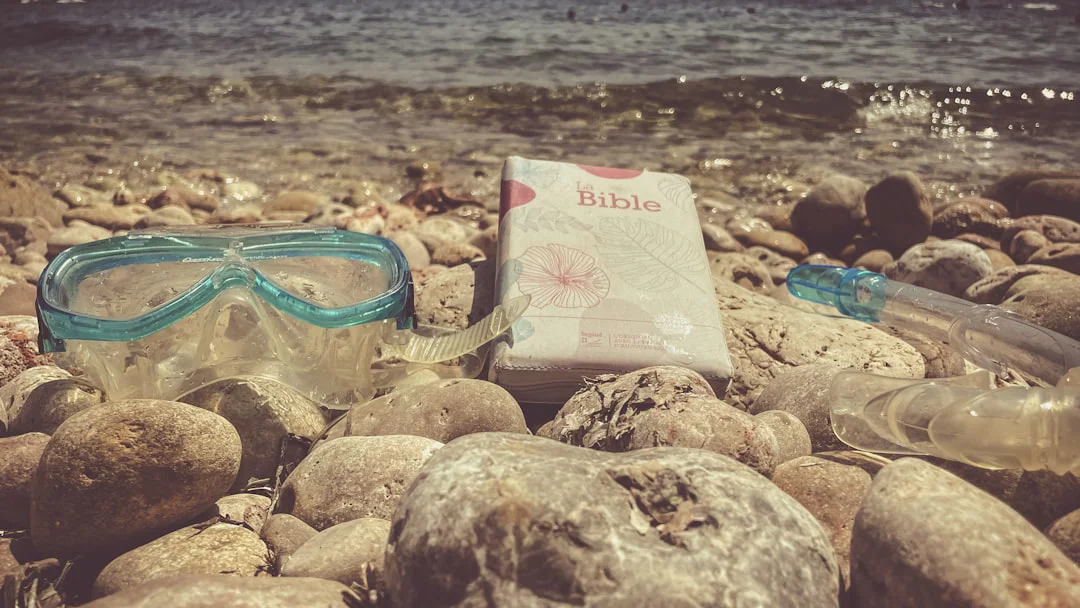
Low-volume masks were built for freediving but serious SCUBA divers increasingly reach for them. Closer lenses widen your field of view, equalization takes less air, and flooding hurts less — but the skirt is less forgiving and prices run higher. This guide covers when switching makes sense, which models hold up, and why advanced divers rarely go back.
A standard SCUBA mask holds 200-300 ml of air inside the frame. A low-volume mask — originally engineered for freediving — holds 80-150 ml. The gap sounds trivial, but it touches three separate things: how much air you need to equalize during descent, the peripheral field of view your eyes actually get, and how much water weight hangs off your face if the mask floods.
The case for low-volume: lenses sit closer to the eyes, which widens the natural viewing angle in a way that wider frames cannot replicate. Equalization takes a shorter burst from the nose — useful in freediving, not irrelevant in SCUBA when you're ascending fast or rolling in current. If the mask does flood, there's less volume to clear and less drag while you sort it out. Night dives with a torch also benefit: a smaller lens area produces fewer internal reflections.
The case against: the skirt is less tolerant of irregular face shapes. If the seal doesn't sit flat, it leaks — and low-volume masks are less likely to compensate with extra silicone bulk. Prices run 80-150 € against 40-80 € for solid standard models. Narrower frames let in more peripheral light, which bothers some divers in bright conditions. And not every face geometry suits them — trying before buying is non-negotiable.
Popular models worth knowing: the Cressi Nano sits at 70-95 € and is probably the most common low-volume mask on SCUBA divers' faces. The Mares X-Vision LiquidSkin steps up to 90-120 € with a softer skirt compound. The Aqualung Sphera X (100-130 €) crossed over from pure freediving and has a following among photographers. The Salvimar Apnea Galaxy (130-180 €) is an apnea-first design that handles SCUBA use without complaint.
When switching makes sense: more than 50 dives a year, an active freediving practice running in parallel, regular night diving, or underwater photography where peripheral framing matters. For recreational divers logging 5-10 dives annually, a well-fitted standard mask does the job. The upgrade pays off in proportion to how much time you spend underwater.
One thing rarely mentioned in gear reviews: low-volume masks perform best on faces without heavy beard growth, strong facial creases, or prominent moustaches. Facial hair breaks the skirt seal on any mask, but the thinner silicone profile of a low-volume design amplifies the problem. A dedicated mask sealant can help, but it doesn't fully substitute for a clean seal.
After years running both types: for casual Mediterranean dives, the standard Mares X-Vision holds up fine. For photo dives, technical work, or night diving, the Cressi Nano's field of view is a genuine improvement — not marginal. For dedicated freediving sessions, a purpose-built mask like the Sphera X earns its place. The logic is straightforward: if your current mask seals well and feels comfortable, leave it. If it leaks, fogs, or strains your eyes, try low-volume before defaulting to another standard.
Bottom line: low-volume masks make economic sense for high-frequency, advanced divers. Beginners and occasional divers are well served by quality standard options like the Mares X-Vision or the Cressi Big Eyes Evolution. The one rule that applies regardless of budget or experience level: test the seal in water before committing. Fit determines everything; brand and price do not.