
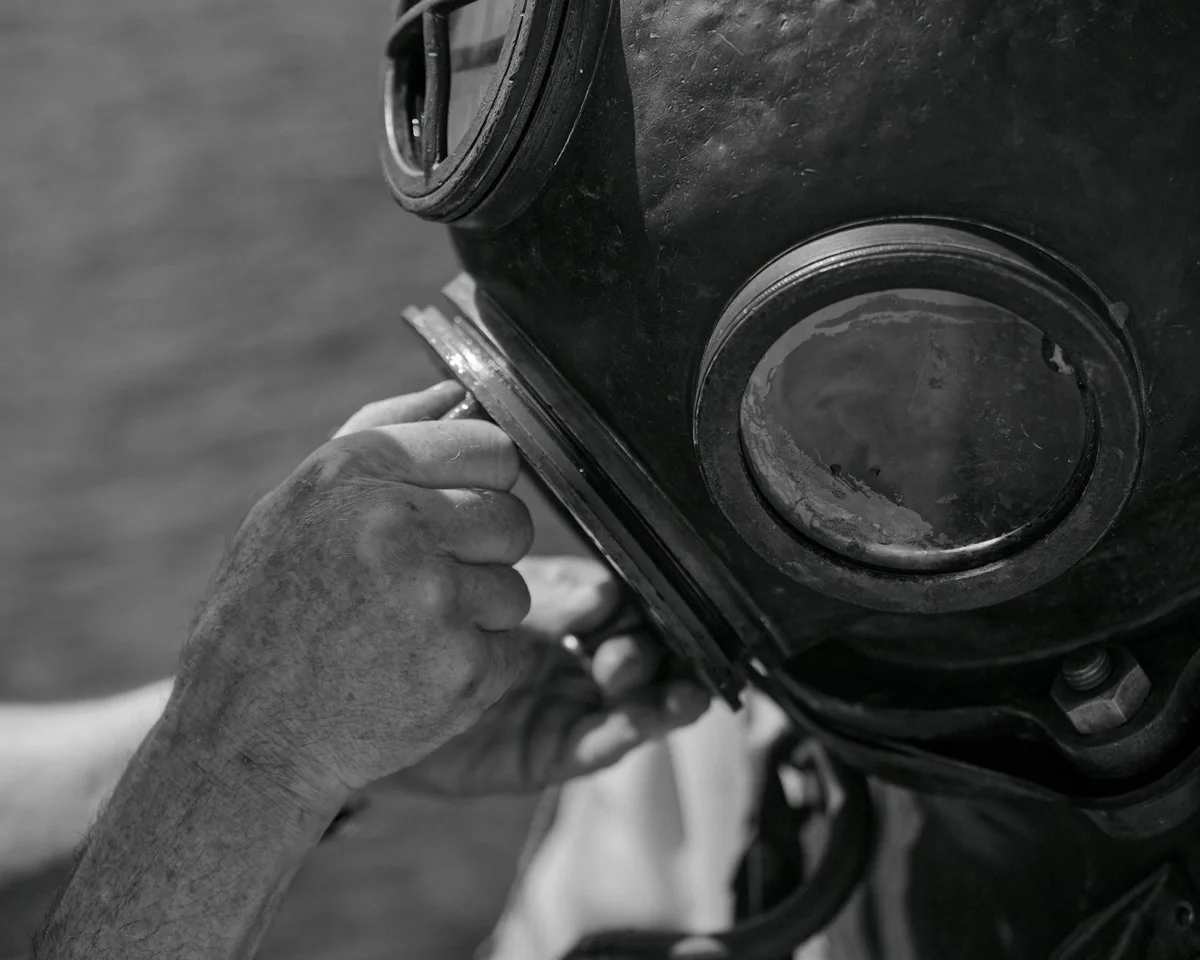
Technical diving extends beyond recreational limits: depths past 40 m, mandatory decompression stops, and gas mixes beyond air — including trimix with helium. It demands doubles, redundant gear, and meticulous planning where mistakes carry real consequences. This guide maps the path from recreational diver to tech diver honestly, including when the commitment makes sense and when it does not.
Recreational diving has defined boundaries: maximum 40 m, within NDL (no mandatory decompression), breathing air or nitrox. Technical diving begins at that ceiling. The main levels are: 1) Tec 40 (PADI) or Normoxic Trimix (TDI/SSI): to 45-50 m with planned deco. 2) Tec 50: to 50-60 m using stage tanks for deco gases. 3) Tec Trimix (60-90 m): helium-based mixes to control narcosis. 4) Advanced Trimix (90-120+ m): deep technical expeditions.
Why helium: breathing air below 60 m produces severe nitrogen narcosis that degrades cognitive function. Replacing a portion of the N₂ with He — an inert gas with no narcotic effect — restores mental clarity at depth. A standard trimix blend for 70 m is 18/45 (18 % O₂, 45 % He, 37 % N₂). Helium cost is the primary financial barrier: a trimix fill runs 80-200 € versus 5-10 € for a standard air fill.
Tech diver kit: 1) Doubles (twin cylinders with isolator manifold). 2) Redundant regulators (each cylinder with its own first and second stage, plus octopus). 3) Stage tanks (deco cylinders clipped to the harness, each containing the appropriate deco gas for its depth). 4) Reels and SMB for ascents. 5) A multi-gas dive computer. 6) Redundant lights — minimum three for cave or deep wreck dives. A complete setup adds 5.000-10.000 € on top of recreational equipment.
Training path: Open Water → Advanced → Rescue → Deep specialty → Nitrox → Tec 40/45/50. Each level requires one to two weeks of theory and pool or open-water practice. The full progression to trimix typically takes one to two years for a diver entering with 100+ logged recreational dives. Course costs alone: 3.000-5.000 €, excluding equipment.
Specific risks: technical diving offers no margin for error. The main hazards are: 1) Gas embolism from miscalculated decompression. 2) O₂ toxicity from the wrong mix at depth. 3) High-pressure neurological syndrome (HPNS) in extreme-depth mixes heavy in He. 4) Equipment failure without adequate redundancy. Fatality rates in technical diving run 5-10 times higher than in recreational diving, driven primarily by human error.
When it makes sense: wreck diving at depth — Truk Lagoon at 40-60 m, Coronado at 50 m, the Lusitania at 90 m — deep cave exploration, serious underwater photography in open water, or research dives requiring biological or archaeological depth. For reef diving, no amount of technical training improves what is already accessible.
When it does not: if the driver is status or social media content. If diving is a once- or twice-a-year vacation activity. If physical condition is not consistently good — technical diving is physically demanding. If the budget is not sustainable: a week of trimix diving can cost 1.500-3.000 € in gas alone. If partners or family carry genuine concern, the risk is real and worth weighing honestly.
The bottom line: technical diving suits a minority of divers with specific goals — wrecks, caves, deep biological or archaeological sites. The investment in training, gear, and time is substantial. For 95 % of serious recreational divers, progressing through Rescue + Nitrox + Deep certification covers a lifetime of rewarding diving. If the path to tech is right for you, follow it gradually: start with Tec 40, advance methodically, and skip no steps under pressure. In technical diving, shortcuts carry a price.