
Scotland offers 11,602 km of Atlantic and North Sea coastline plus hundreds of deep inland lochs. Cold-water diving here covers three formats: freshwater loch diving (Loch Ness, Loch Maree with exceptional clarity), coastal Atlantic diving (kelp forests, Arctic species), and historic wrecks at Scapa Flow — the world's finest WWI wreck site. A serious cold-water destination with unique historical depth.
Scotland counts 11,602 km of coastline (including islands) and thousands of inland lochs. It is a premium cold-water diving destination with three distinct formats: 1) Freshwater lochs (oligotrophic water, high visibility). 2) Coastal diving (Inner Hebrides, Outer Hebrides, North Sea). 3) Historic wrecks (Scapa Flow, best WWI wreck site in the world). Capital: Edinburgh. Languages: English, Scottish Gaelic (in the Hebrides). UK visa: required for many nationalities; EU citizens post-Brexit may visit 90 days visa-free. Currency: British pound sterling (GBP).
Scapa Flow is a natural sheltered bay in the Orkney Islands that served as the Royal Navy's main base during both World Wars. In 1919 the interned Imperial German Fleet — 74 vessels — was scuttled there by German sailors on 21 June to prevent capture by the Allies (Operation Regenbogen). Seven large wrecks remain accessible today: three battleships (SMS König, SMS Kronprinz Wilhelm, SMS Markgraf) and four light cruisers. Depths range from 12 to 45 m. No other site in the world concentrates WWI capital ships like this.
Freshwater lochs: 1) Loch Ness (38 km long, 230 m maximum depth, Nessie folklore, diving 12-25 m with reduced visibility due to peat). 2) Loch Maree (northwest, oligotrophic water with exceptional clarity 15-25 m, Arctic species). 3) Loch Lomond (near Glasgow, accessible, freshwater fauna). 4) Loch Long (a marine sea loch, not a true freshwater loch, coastal fauna). The lochs offer a singular experience: cold water (4-12 °C depending on month and depth), dry suit mandatory, limited fauna but remarkable landscape.
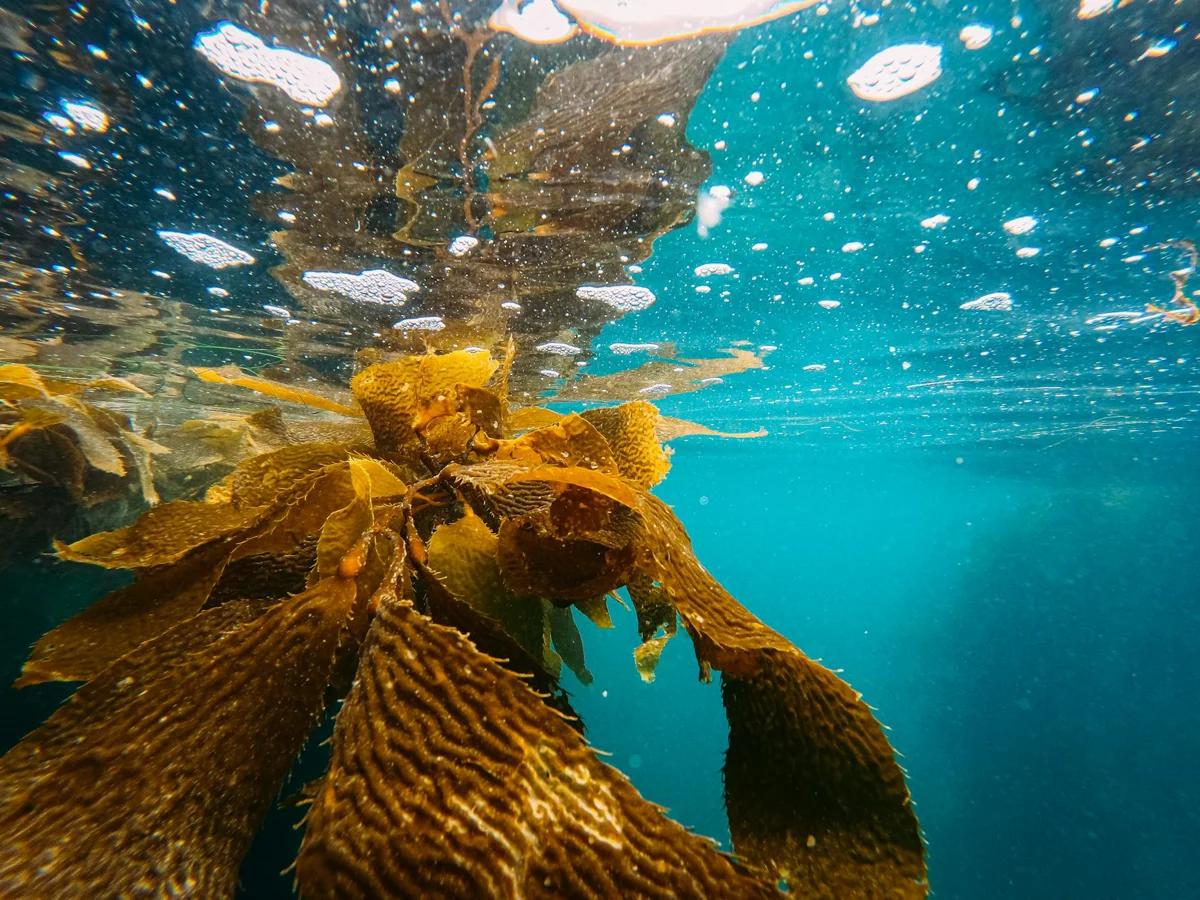
Hebrides and coast: the Hebridean islands (Inner: Skye, Mull, Rum, Eigg; Outer: Lewis, Harris, Uist) hold cold-temperate Atlantic waters with kelp forests (Laminaria), resident grey seals, wolf fish, bass, scallops, and lobster. Key sites: 1) Sound of Mull (tidal channel, strong currents, abundant fauna, 12-30 m). 2) East Skye coast (basalt walls, 18-30 m). 3) St Kilda (UNESCO, remote Atlantic archipelago, vertical walls and dense fauna, 18-40 m). 4) Bass Rock (east coast, gannet colony, clean water). The pitch is cold-water wildlife diving in open Atlantic waters.
Logistics and costs: flights to Edinburgh (EDI), Glasgow (GLA), Aberdeen (ABZ) with direct connections across Europe (BA, easyJet, Ryanair, KLM, Lufthansa). Reaching Scapa Flow: fly to Kirkwall (KOI, Loganair) or take the NorthLink ferry from Aberdeen via Lerwick. Hebrides access: fly to Stornoway (SYY) or ferry with CalMac. Dive operators: MV Karin (Scapa Flow liveaboard), Tritonia Charters, Scapa Flow Charters, Lochaline Dive Centre. Guided dive cost: €50-70. Scapa 7-day liveaboard: €1,500-2,500. PADI Drysuit course: €350-450.
Equipment: Scotland diving requires a dry suit with thermal undersuit, double hood, and dry gloves. Water temperature: 6-9 °C in winter (December-March), 10-15 °C in summer (June-August). The operational season for Scapa Flow is April to October. Loch diving runs year-round with ice caution in winter. Visibility varies: 5-15 m in lochs and cold coastal sites, 10-25 m in remote spots like St Kilda.
What catches people off guard: the pairing with whisky and culture. Scotland is a premium cultural destination — malt whisky (Speyside, Islay, Highlands distillery trails), castles (Edinburgh, Stirling, Eilean Donan), Celtic culture (Highland Games, bagpipes, ceilidh), sweeping Highland-Lowland scenery. A 10-14 day trip combining Scapa Flow dives with a distillery circuit and castle visits works very well.
Bottom line: Scotland is a cold-water diving destination with historical value (Scapa Flow), natural richness (Hebrides, kelp ecosystems) and cultural weight (lochs, whisky, castles). Not the call for tropical coral reefs. But for a European destination with the world's finest WWI wrecks, cold Atlantic wildlife, and Celtic culture, Scotland holds up well. May to September is the recommended window for Scapa operations. Pairs with the rest of the UK for a 14-21 day circuit. Budget carriers fly direct from across Europe, making a long weekend viable.