
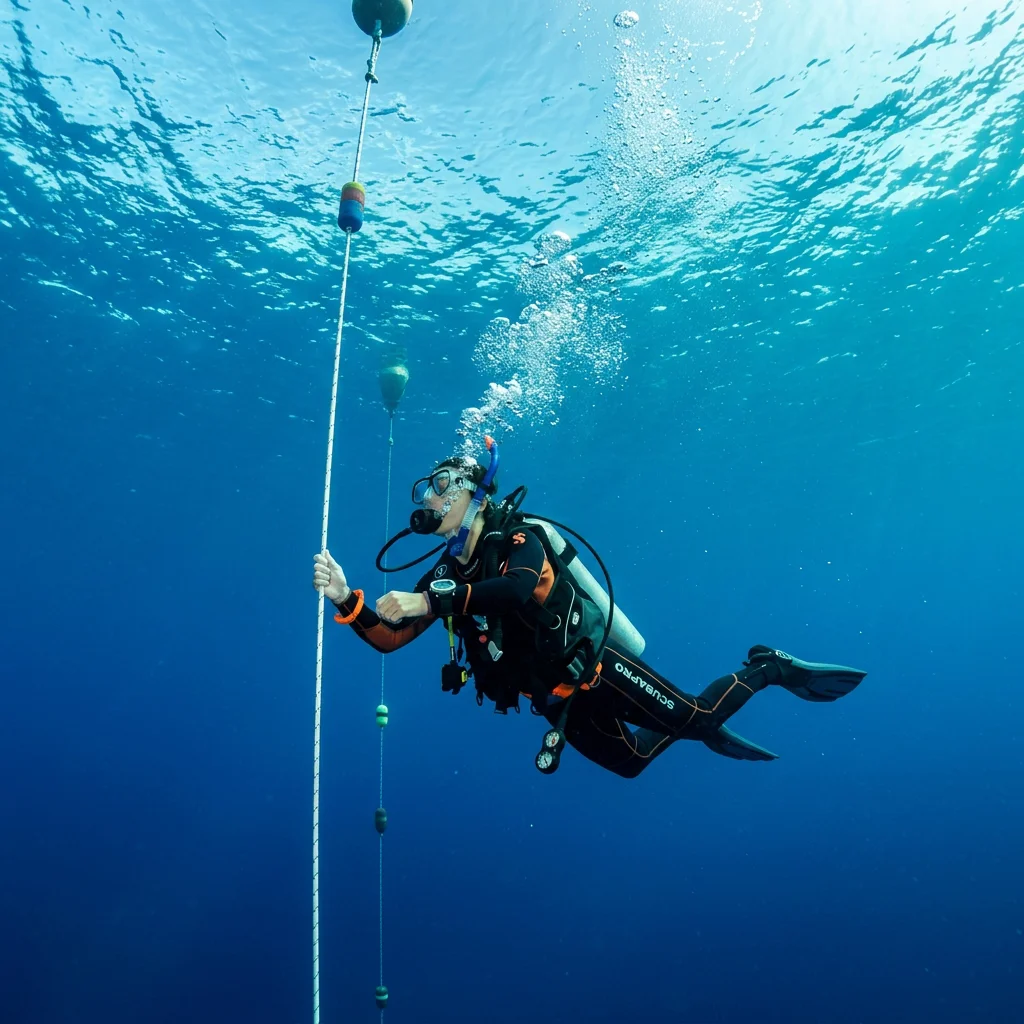
Sinus barotrauma is the second most common diving injury. Frontal sinuses most affected, nasal congestion is key risk factor.
The sinuses are another source of silent barotrauma. Users with chronic sinusitis, polyps, deviated septum, or who have undergone turbinate surgery describe episodes of vertigo, nausea, and dizziness upon surfacing. The discussion covers whether abnormal paranasal sinus CT scan results are incompatible with diving and which specialists can provide a valid opinion.
Sinus barotrauma is the second most frequent condition in recreational diving. The frontal sinuses are most commonly affected, followed by the maxillary sinuses. Pressure differential in the sphenoidal or ethmoidal sinuses can compress adjacent nerves and produce imbalance, blurred vision, or tinnitus. Under no circumstances should you dive with active nasal congestion, and the preventive use of nasal spray before entering the water is only valid if authorized by a physician, as the effect may reverse at depth leaving the sinus blocked.