
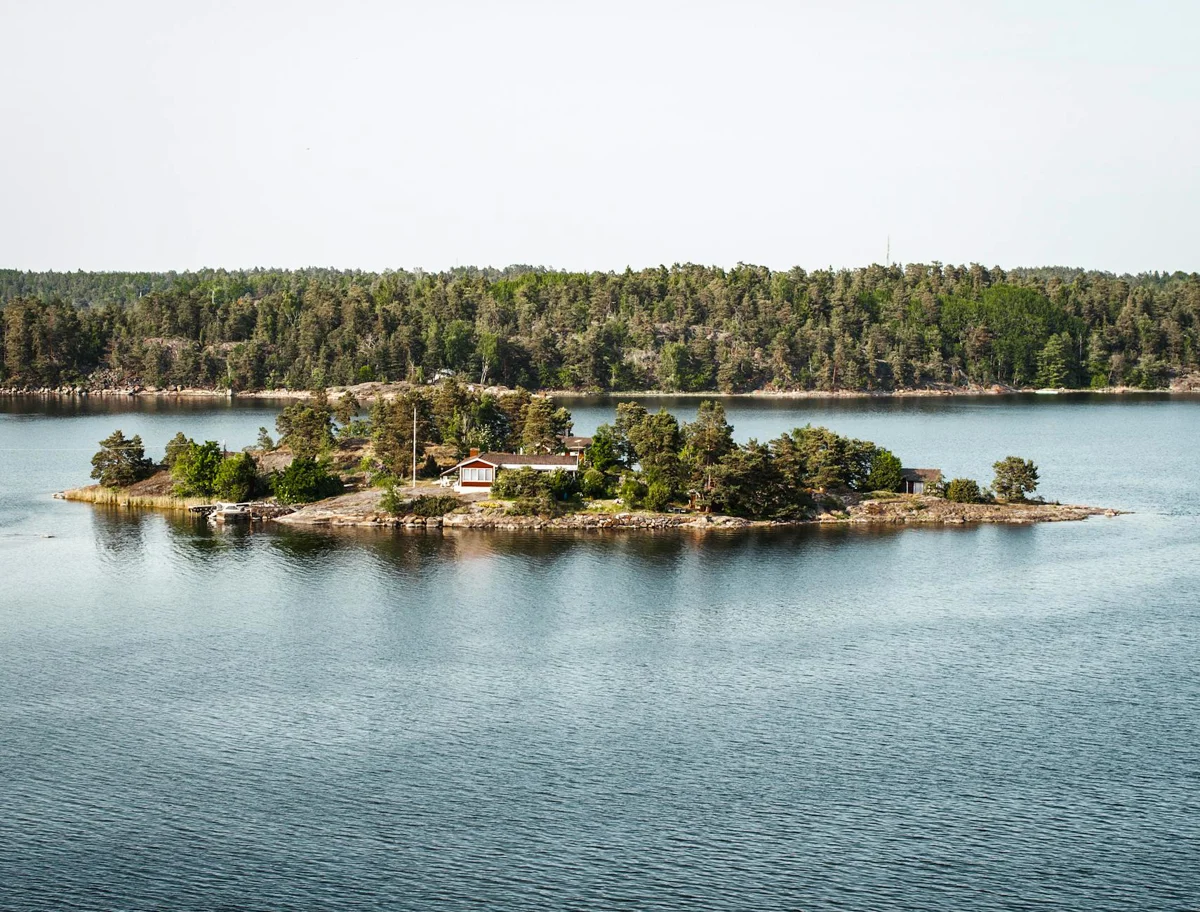
The Stockholm Archipelago (24,000 islands in the Baltic) has one defining feature: the brackish, cold Baltic water (5-10 ‰ salinity) prevents wood-boring teredo worms, keeping wooden wrecks intact for centuries. Over 100 wrecks from the 17th-20th centuries are accessible. Archaeological diving found nowhere else in the world.
The Stockholm Archipelago (Stockholms skärgård) comprises 24,000 islands, islets and rocks off the Swedish capital. It ranks among the world's densest archipelagos in protected marine area. Around 200 islands are inhabited — 50,000 residents in summer, 30,000 in winter. The Baltic is a brackish inland sea with low salinity (5-10 ‰ versus 35 ‰ in the ocean). That chemical difference prevents teredo (the marine worm that bores through wood) and preserves wooden wrecks. Sweden is Schengen; no visa required for EU nationals. Currency: Swedish krona (SEK).
Underwater geography: Baltic water temperatures range from 1-4 °C in winter (January-March, with surface ice in northern zones) to 12-18 °C in summer (July-August). Visibility is moderate — 5-15 m — due to algae and plankton. The seabed is rocky throughout the archipelago and sandy in deeper areas. Baltic fauna is a freshwater-saltwater mix: cod, pollock, wolf fish, sea bass, scorpion fish, Baltic eelpout, and limited numbers of lobster.
Famous wrecks: 1) Vasa — Swedish warship sunk in 1628 on its maiden voyage at 32 m, raised intact in 1961, now displayed in the Vasa Museum (no diving). 2) Mars 'Magnificus' — Swedish warship from 1564, discovered in 2011 at 70 m, technical dive. 3) Kronan — Swedish warship sunk in 1676, 4 km south of Öland, technical. 4) Resande Mannen — Swedish merchant vessel sunk in 1660 at 14 m, recreational. 5) Concordia — 20th-century freighter at 22 m. This is archaeological diving you will not find anywhere else.
Top dive sites: 1) Hellestoraviksgrund — walls with fish and crustaceans, 12-25 m. 2) Korsöfärjan — sunken ferry wreck at 18 m, abundant fauna. 3) Sandhamn — several small accessible wrecks, 8-22 m. 4) Möja — walls and minor wrecks, 12-28 m. 5) Bullerö — marine park, cold-water fauna, 10-25 m. 6) Utö — 19th-century commercial wreck at 30 m. Diving departs from Stockholm or archipelago villages (Vaxholm, Sandhamn, Möja).
Logistics and costs: direct flights to Stockholm Arlanda (ARN) from across Europe (SAS, Norwegian, Ryanair, Wizz Air, easyJet, Vueling). Access to the archipelago: Waxholmsbolaget ferry (45 minutes to 4 hours depending on destination) or car plus short ferry crossing. Dive centres: Atlantis Dykarna, Stockholm Dive Center, Dykrim Sthlm, Söderhamn Dive Center. Guided dive: 50-70 €. PADI Drysuit Specialty course: 350-450 €. Accommodation in Stockholm: hostels from 50 €, hotels 120-250 €.
The Vasa Museum: the Vasamuseet in Djurgården displays the warship Vasa, sunk in 1628 just 1,300 m from its naval base on its first voyage. Raised intact in 1961 — preserved by cold water and low salinity — it is the only 17th-century ship surviving in original condition, with 95% of its original material. Around 1.5 million visitors per year make it one of Sweden's most visited museums. Easily combined with archipelago diving for a history-plus-diving trip.
Equipment: diving in Sweden requires a dry suit with thermal undergarment, hood and dry gloves. Water temperature: 1-18 °C depending on month and depth. The operating season runs May-October; ice diving under certification is possible in winter. Visibility is best in autumn (September-November). Recommended certifications: PADI Drysuit Specialty and Wreck Diver for the deeper wreck sites.
Summary: the Stockholm Archipelago is a one-of-a-kind destination for archaeological wreck diving on wooden ships preserved by the Baltic's specific chemistry. 17th-century Swedish wrecks (Vasa, Mars), easy access from Stockholm, and pairing options with Swedish cultural tourism (Gamla Stan UNESCO, Drottningholm UNESCO, world-class museums). Not the place for coral or warm water. For cold-water European wreck diving with Scandinavian culture, Stockholm stands alone. Best season: June to September.