
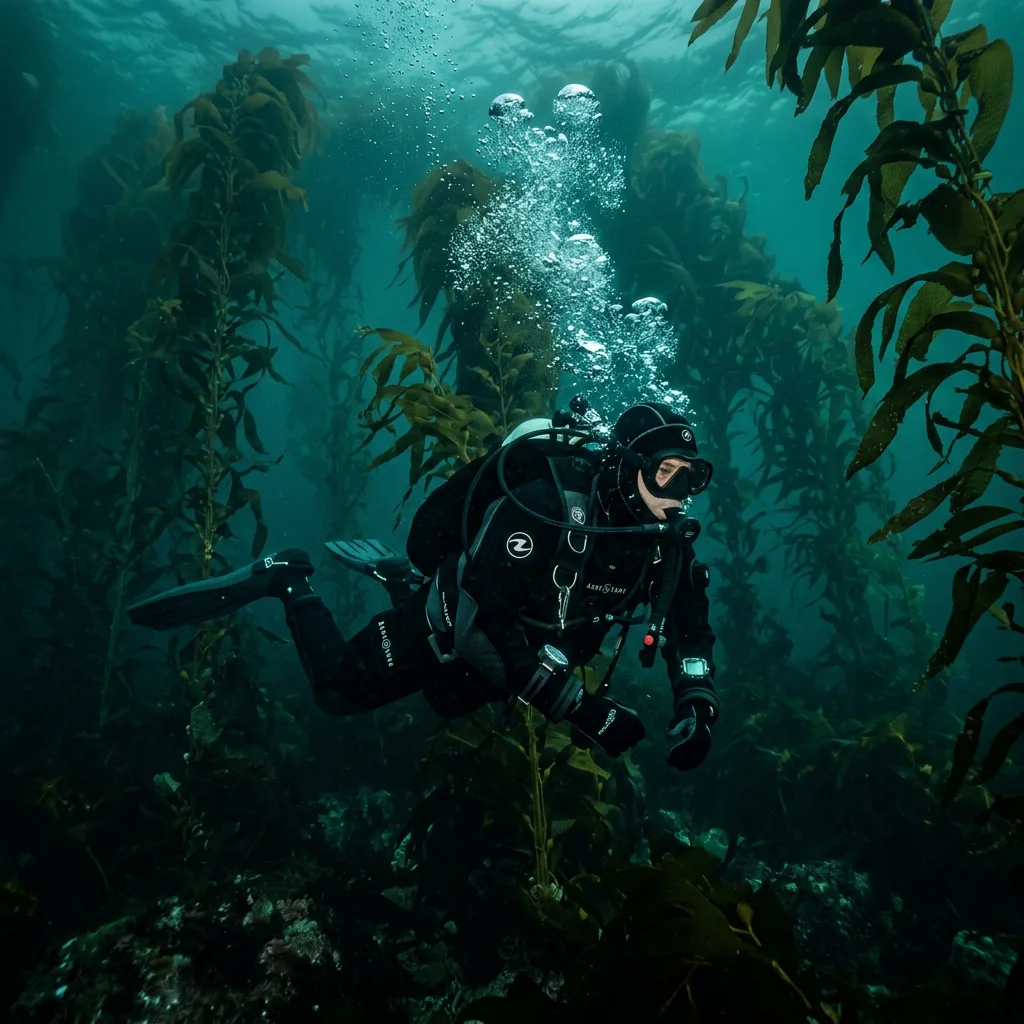
Trilaminate or dry neoprene? Differences, ballast management, Tizip zipper maintenance and when to repair vs buy new.
The decision between trilaminate and neoprene drysuits is a recurring one that generates lengthy debates. Added to this are questions about what to wear underneath, weight management (which changes radically compared to a wetsuit), repairing Tizip zippers in critical areas, and whether it is worth paying to repair an old drysuit versus buying a new one. The reality is that many divers start using a drysuit without sufficient guidance.
Neoprene provides its own thermal insulation but its volume varies with depth as it compresses, requiring continuous buoyancy adjustments. Trilaminate provides no insulation by itself but dries almost instantly and is easier to repair with adhesive patches. Zippers must be regularly lubricated with specific wax (never petroleum-derived grease), stored open to avoid deformation, and rinsed with fresh water. Latex wrist and neck seals should be protected with pure unscented talcum powder and replaced when they show cracks.