Course Description
Especialidad de buceo profundo para explorar con seguridad hasta 40 metros de profundidad.
Gallery
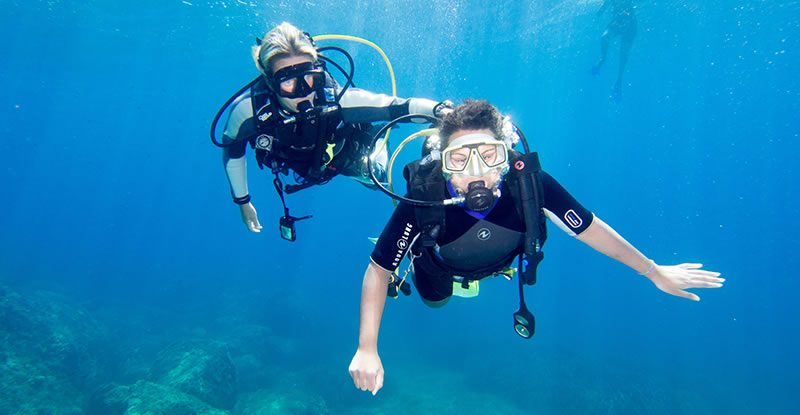
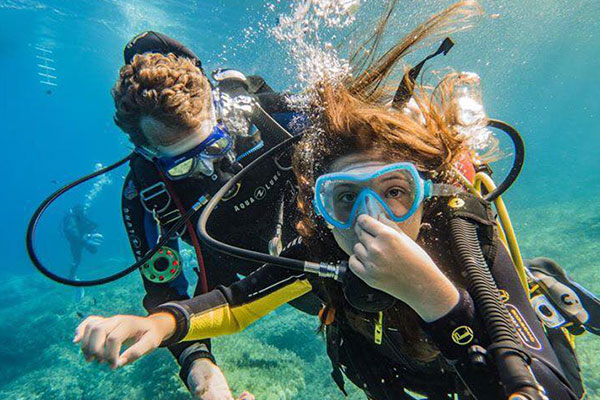
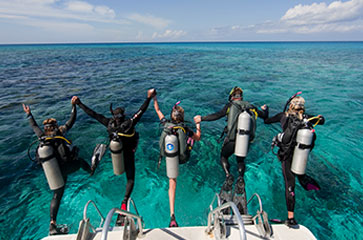
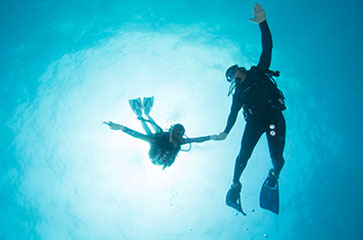
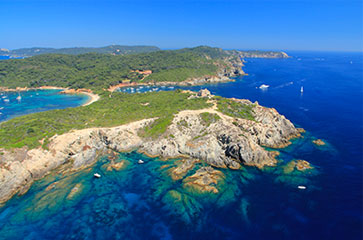
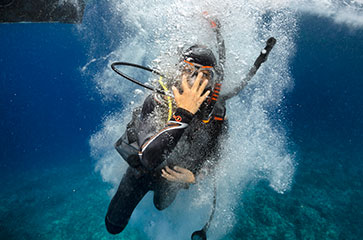
Contact the center directly to confirm availability and book your spot.
Complete 2026 guide
Diving Courses: everything you need to know before you start
A diving course is the official training that certifies you to dive safely with scuba equipment. It combines theory on physics, physiology and gear, confined-water practice (pool or sheltered area) and real open-water dives. When you finish you receive an international certification card recognised by any dive centre in the world, which never expires and gives you access to more than 50,000 dive sites on the planet.
Taking a diving course does not require exceptional fitness or previous experience: it is enough to swim 200 metres, be at least 10-15 years old (depending on the level) and have a medical certificate ruling out contraindications. In Spain there are more than 700 approved dive centres offering PADI, SSI, CMAS and ACUC diving courses, from the Costa Brava and Cabo de Gata to the Canary Islands and the Balearics, with prices starting at 250 €.
This guide covers every available level, the differences between certification agencies, the real price and duration ranges, the medical and legal requirements, and the best destinations to get certified.
Levels and types of diving courses
Recreational diver training follows a standardised progression across all certification agencies. Each level qualifies you for greater depth, more autonomy and more types of dives.
Open Water Diver (OWD)
The entry-level course. It certifies you to dive to 18 metres with a buddy, without an instructor. Includes 5 theory modules, 5 pool sessions and 4 open-water dives. It is the course taken by 95% of divers worldwide. Typical price in Spain: 280-400 €.
Advanced Open Water Diver (AOWD)
Extends your depth limit to 30 metres and adds 5 themed dives (deep, navigation, night, buoyancy, underwater navigation). It is the minimum level required by most dive centres in tropical destinations. Typical price: 280-380 €.
Rescue Diver
Considered the most demanding — and transformative — course in recreational training. It teaches prevention and management of underwater emergencies: assisting a panicked diver, rescuing an unconscious diver, first aid. Requires prior CPR/AED training. Typical price: 320-450 €.
Divemaster
The first professional level. It qualifies you to guide groups of certified divers, assist instructors and work at dive centres. Requires at least 40 logged dives. Lasts 4 to 8 weeks. Price: 700-1,200 €.
Instructor (OWSI / IDC)
The second professional level. After the IDC (Instructor Development Course) and the IE exam you become an Open Water Scuba Instructor and can teach Open Water courses. Price: 1,800-3,500 € including materials.
Alongside the main progression, there are specialty courses that expand specific skills: Nitrox (enriched air, longer bottom times), Deep Diver (up to 40 m), Wreck Diver, Night Diver, Drift Diver (currents), Ice Diver, Cavern and Cave Diver, Sidemount, Peak Performance Buoyancy and many more. Specialties cost between 120 € and 350 € each and usually last 1-2 days.
Certification agencies: PADI, SSI, CMAS, ACUC, IANTD, NAUI
Certification agencies are the organisations that set the course standards and issue the international card. All are recognised by the WRSTC and cross-recognise their certifications, but they differ in teaching model, price and geographic footprint.
| Agency | Origin | Open Water (Spain) | Worldwide validity | Model |
|---|---|---|---|---|
| PADI | USA | 320-420 € | Total (world leader) | Modular, mature eLearning |
| SSI | USA / Germany | 280-380 € | Total | Free digital materials, 100% online |
| CMAS | France (federative) | 250-400 € | High in Europe | Federative, technical emphasis |
| ACUC | Canada | 260-360 € | Recognised in Europe | Flexible, centre-dependent |
| IANTD | USA | 300-450 € | Technical specialist | Technical and nitrox focus |
| NAUI | USA | 310-420 € | High in the Americas | Academic, strict standards |
How much a diving course costs
The price of a diving course in Spain depends on three factors: the level, the certification agency and what the package includes (gear, manual, certification fees). These are the real market ranges:
- Try dive: 50-90 € (a single 30-40 minute dive, no certification).
- Open Water Diver: 250-450 €. The low end corresponds to the Canary Islands and off-season deals; the high end to premium centres on the Mediterranean coast with gear and manual included.
- Advanced Open Water: 280-500 €.
- Rescue Diver: 320-500 € (not counting the EFR/first-aid course: +100-150 €).
- Divemaster: 700-1,200 €, with internship options (free in exchange for work hours).
- Specialties: 120-350 € per specialty.
- Certification fees: most centres already include them; if not, count them separately (35-60 €).
A common mistake is choosing by price alone. A course 80 € cheaper with a ratio of 8 students per instructor and no manual is not a better deal than one with a 4:1 ratio and materials included. Check the current deals to compare what each package includes.
How long a diving course lasts
Duration depends on the level and format (classic in-person, eLearning, intensive weekend):
- Open Water Diver: 3-5 consecutive days, or 2 weekends. With online theory (eLearning) it drops to 2-3 in-person days.
- Advanced Open Water: 2 full days (5 dives).
- Rescue Diver: 3-4 days of intensive practice, plus 1 day of EFR first aid if you do not have it already.
- Divemaster: 4-8 weeks in standard format; 2-3 months if you combine it with an internship at the centre.
- Instructor (IDC+IE): 10-14 days of intensive course plus 2 days of exam.
- Specialties: 1-2 days each, with 2-4 dives.
If your time is limited, ask the centre for an intensive format with eLearning: you study theory at home with videos and quizzes, and only show up for the practical sessions. It is the most efficient format for people who work during the week.
Requirements for taking a diving course
To enrol in an Open Water course you need to meet four basic requirements:
- Age: 10 years for Junior Open Water (up to 12 m with a certified adult), 15 years for the standard Open Water. Some agencies lower the minimum to 12.
- Swimming: swim 200 m unaided (no time limit, any stroke) and float/tread water for 10 minutes on the surface.
- Health: a medical certificate issued within the last 12 months ruling out cardiovascular, pulmonary, hearing or neurological issues incompatible with diving. If you tick "yes" on any question of the RSTC questionnaire, you will need a signature from a doctor specialised in hyperbaric medicine.
- Documents: valid ID or passport, two passport photos (some agencies accept digital photos) and, if you are a minor, a written authorisation from a legal guardian.
Where to take a diving course
In Spain you can dive year-round thanks to the Canary Islands, with heavy activity from April to October on the Mediterranean coast and the Balearics. Browse the guide to diving courses in Spain with more than 700 approved centres, or jump straight to the city you are interested in:
- Courses in Barcelona
- Courses in Madrid
- Courses in Málaga
- Courses in Valencia
- Courses in Alicante
- Courses in Las Palmas
- Courses in Santa Cruz de Tenerife
- Courses in Palma
- Courses in Murcia
- Courses in Almería
Outside Spain, the most popular destinations to get certified are: Egypt (Red Sea, Sharm el-Sheikh and Hurghada, 30 m visibility and prices from 250 €), Thailand (Koh Tao is the world's second largest training destination, Open Water from 280 €), Mexico (Cozumel and Playa del Carmen, with the Yucatán cenotes as a unique feature), Indonesia (Bali, Komodo, Raja Ampat) and the Maldives (luxury diving, higher prices). If you want to combine a course with a holiday, Egypt in spring and Thailand between November and April offer the best value-to-marine-life ratio.
Frequently asked questions about diving courses
How much does a diving course cost?+
An Open Water Diver course — the entry level that certifies you to dive to 18 metres — costs between 250 € and 450 € in Spain, depending on the area, the agency and whether gear and manual are included. On the Mediterranean coast (Costa Brava, Cabo de Palos, Almería) prices usually range from 300 to 380 €. In the Canary Islands, with year-round diving, deals start from 250 €. Higher levels (Advanced, Rescue) fall between 280 € and 500 €.
How long does a diving course take?+
The Open Water Diver takes 3 to 5 days split between theory, pool or confined-water practice and four open-water dives. Intensive formats compress it into a long weekend; formats with online theory (eLearning) cut the in-person days to 2-3. The Advanced takes 2 days, Rescue Diver 3-4 days, and Divemaster needs between 4 and 8 weeks depending on the centre.
Which agency is better: PADI, SSI or CMAS?+
All are internationally valid. PADI is the most widespread in the world (60% market share) and the one any Caribbean or Southeast-Asian centre will expect without question. SSI offers the same quality with free digital manuals and slightly lower prices. CMAS is the European, federative option, strong in Spain and Italy, with a technical focus and ties to sports federations. If your priority is travel, PADI or SSI. If you want to affiliate with a sports federation, CMAS.
What do I need to take a diving course?+
Be 10 or older for Junior Open Water, 15 for the standard Open Water (12 with some agencies), swim 200 metres non-stop and float for 10 minutes, and a medical certificate confirming no cardiovascular or pulmonary contraindications. You do not need previous experience or exceptional fitness. If you take medication or have asthma, diabetes or other conditions, consult a doctor specialised in hyperbaric medicine.
Can I take a diving course if I am not a strong swimmer?+
You need a minimum level: swim 200 metres unaided (any stroke, no time limit) and float or tread water on the surface for 10 minutes. You do not need speed or competitive technique. If these tests are difficult for you, spend two or three weeks in the pool before the course, or start with a try dive (no swimming skills required) to experience diving without committing to certification.
Does a diving certification expire?+
No. Once you obtain it, your Open Water, Advanced, Rescue or Divemaster certification is for life. That said, if you have not dived for 6-12 months, most centres will ask you to take a half-day refresher (Scuba Review or ReActivate) before your first dive, for safety reasons. Neither the digital card nor the plastic card expire.
Where is it better to take the Open Water course: in Spain or abroad?+
It depends on your priorities. Doing it in Spain is cheaper overall (no travel), you can split theory and practice across weekends, and you can easily repeat a session if you need to reinforce a skill. Doing it in destinations like Egypt, Thailand or Mexico turns it into a holiday with diving included: warm weather, 20-30 m visibility and course prices sometimes lower (200-300 €), although once you add flights it does not pay off for the course alone.
What is a try dive and how does it differ from a course?+
The try dive (Discover Scuba Diving at PADI, Try Scuba at SSI) is a guided introductory dive of 30-40 minutes down to 6-12 metres, with an instructor at your side the whole time. It costs 50 € to 90 €, lasts half a day and does not certify you: afterwards you cannot dive on your own. It is ideal to try before investing in a full course. Many centres deduct the price of the try dive if you later sign up for the Open Water.
Ready to start your diving course
Compare diving courses by level, city and price with the search tool on this page, or browse the guide to certification agencies if you are still weighing PADI, SSI or CMAS. You can also try a try dive before enrolling in a full course.