
Blog & News
Discover the best tips, travel guides, marine conservation news and secrets of the underwater world.
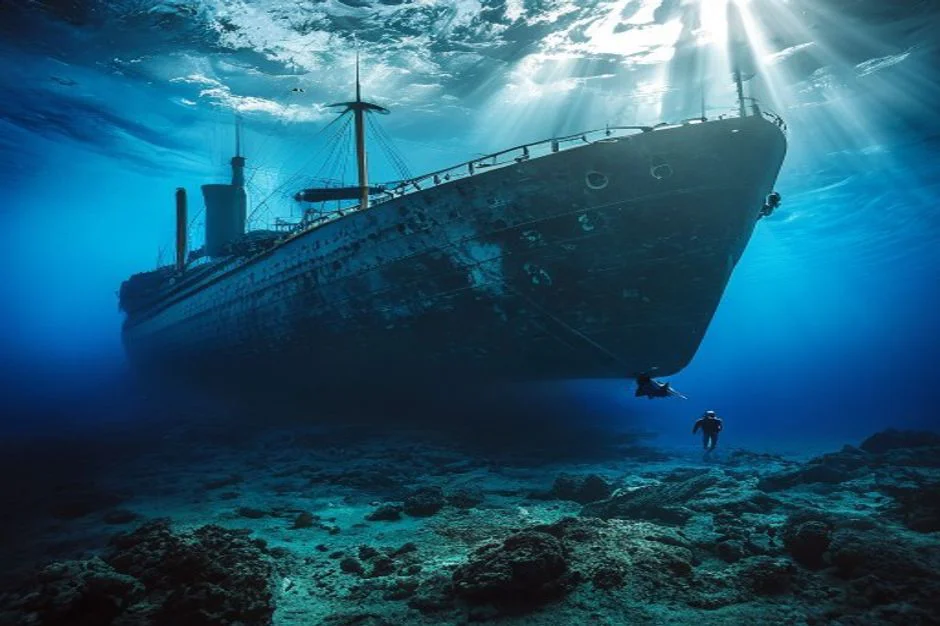
Vanuatu, SS Coolidge: the Pacific's largest recreational wreck
Vanuatu is an 83-island archipelago in the South Pacific, a former Franco-British condominium independent since 1980. Espiritu Santo island holds the SS President Coolidge, a 199 m American ocean liner sunk in 1942 at depths of 17-70 m. It is the largest accessible recreational wreck in the world. Easily combined with Pentecost island (ritual land diving, precursor to bungee jumping) and Melanesian culture.
 Travel
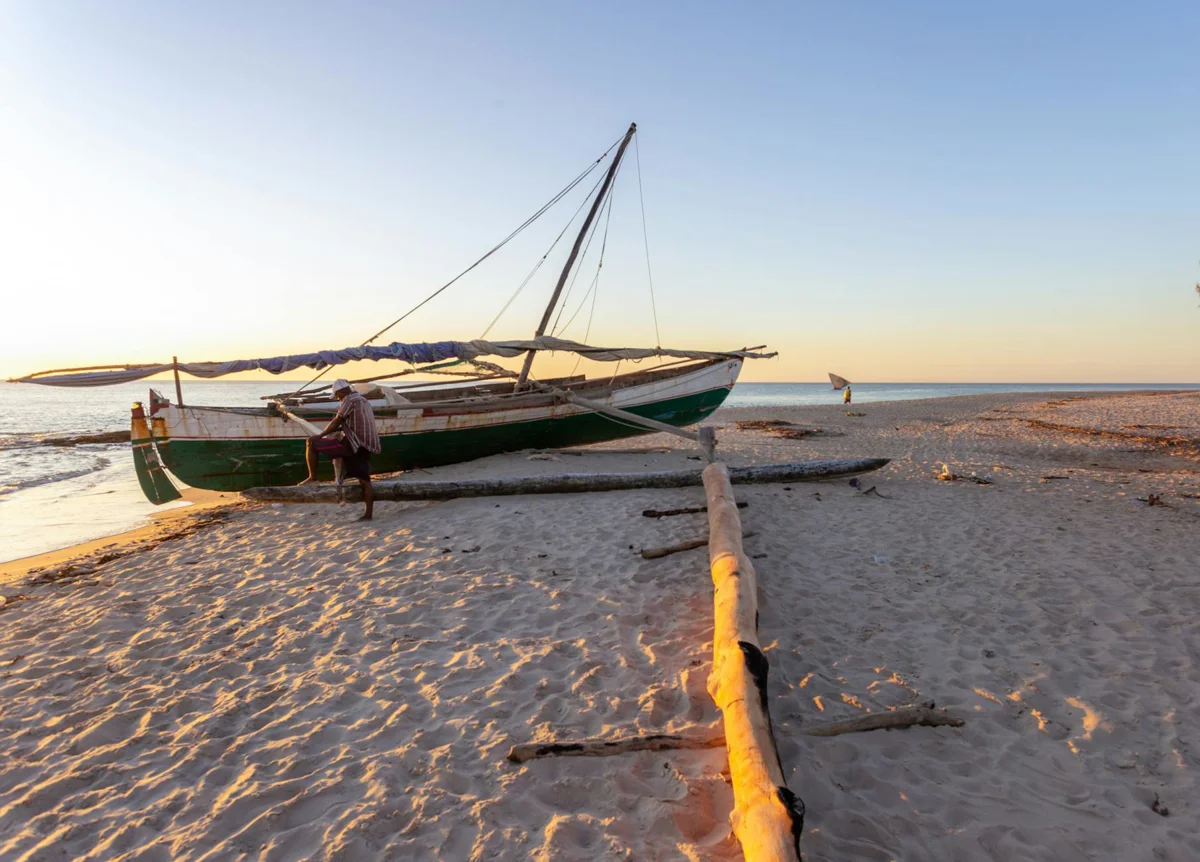
Madagascar, Nosy Be: whale shark and manta seasons
Madagascar is one of the least-dived destinations in the Indian Ocean, and Nosy Be is the most accessible entry point. Whale sharks in wild bait balls from September to November, mantas year-round, and an archipelago of small islands with healthy corals and minimal tourist pressure. For pelagic divers who have already covered the Indian Ocean classics, Madagascar is the logical next stop.
 Travel
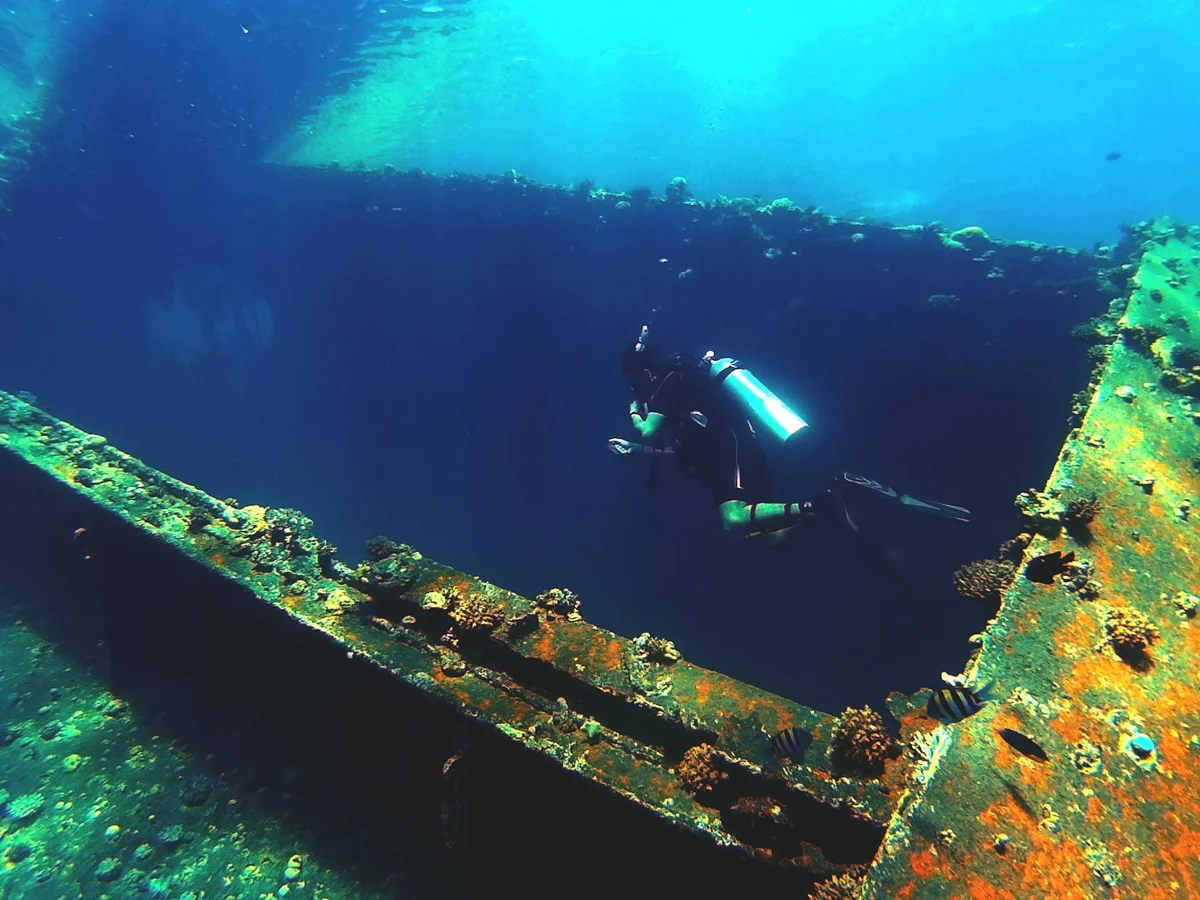
Sudan, Sha'ab Rumi: Cousteau's Red Sea without the crowds
Sudan is the Red Sea's worst-kept secret. Same waters as Egypt, far better-preserved marine life, almost no divers, and Cousteau's Conshelf II ruins still sitting in situ at 12 m on Sha'ab Rumi. Logistics are demanding and the political situation is complicated, but anyone who dives here leaves with a clear sense of what the Egyptian Red Sea used to be.
 Travel
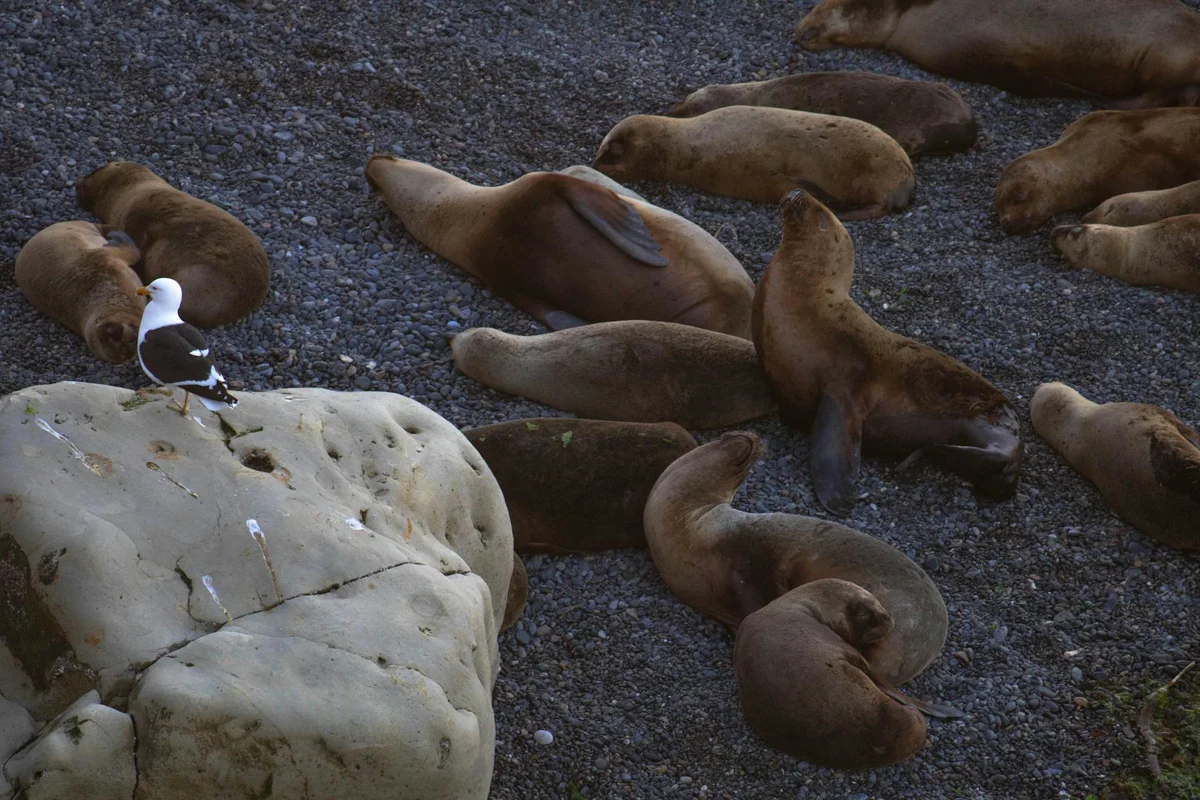
Argentina, Puerto Madryn: sea lions and orcas in Patagonian Atlantic
Puerto Madryn is a coastal city on Argentina's South Atlantic, in Chubut province (Patagonia). It serves as the gateway to Península Valdés (UNESCO 1999), a breeding ground for southern right whales, famous for orca attacks on sea lions, Magellanic penguins and elephant seals. Cold-water diving in the Patagonian Atlantic with playful sea lions. Easily combined with whale-watching tourism.
 Training
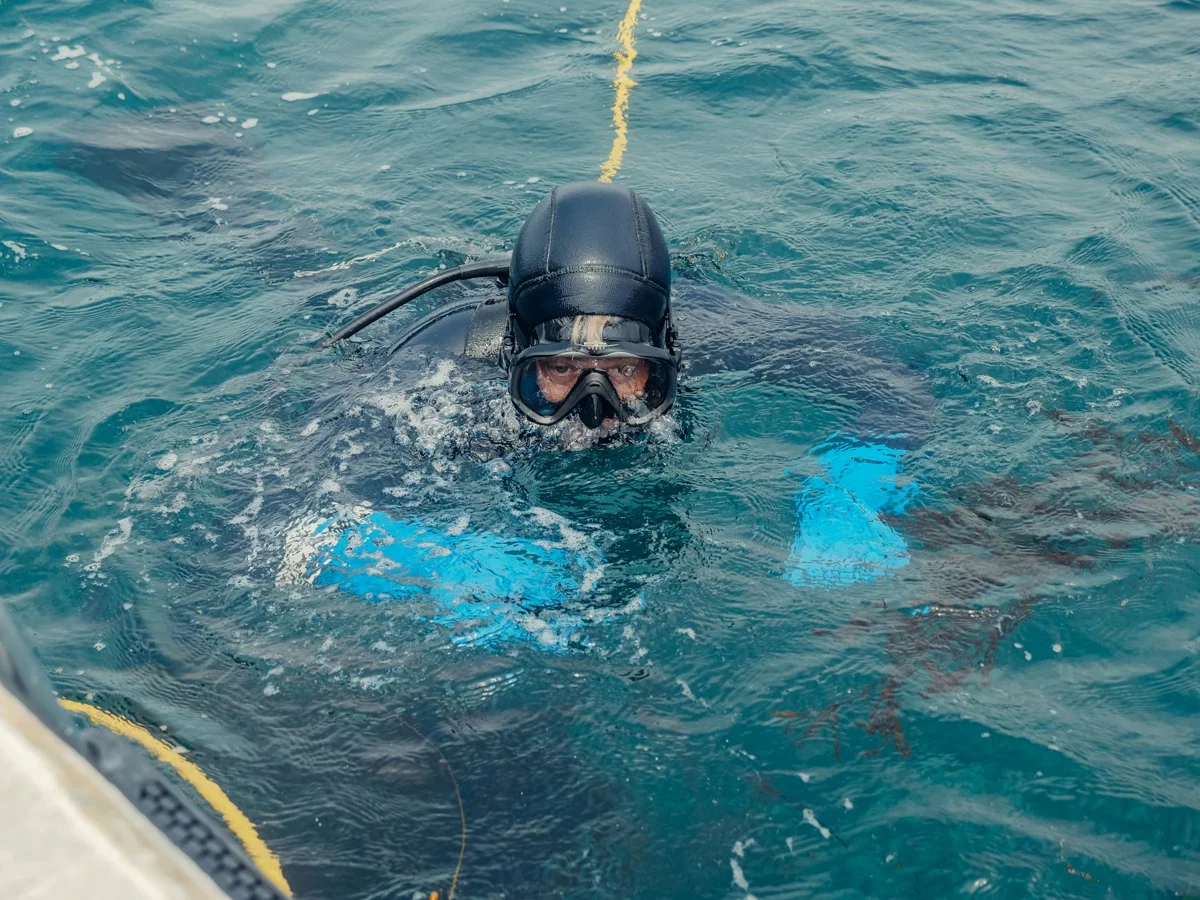
How to choose a dive instructor: beyond the agency logo
The quality of your dive training depends 80% on the specific instructor and 20% on the agency (PADI, SSI, CMAS). Yet beginners pick dive centres by the logo on the door or the advertised price. This guide covers the real criteria for assessing an instructor before committing to a course — no marketing, no fluff.
 Tips
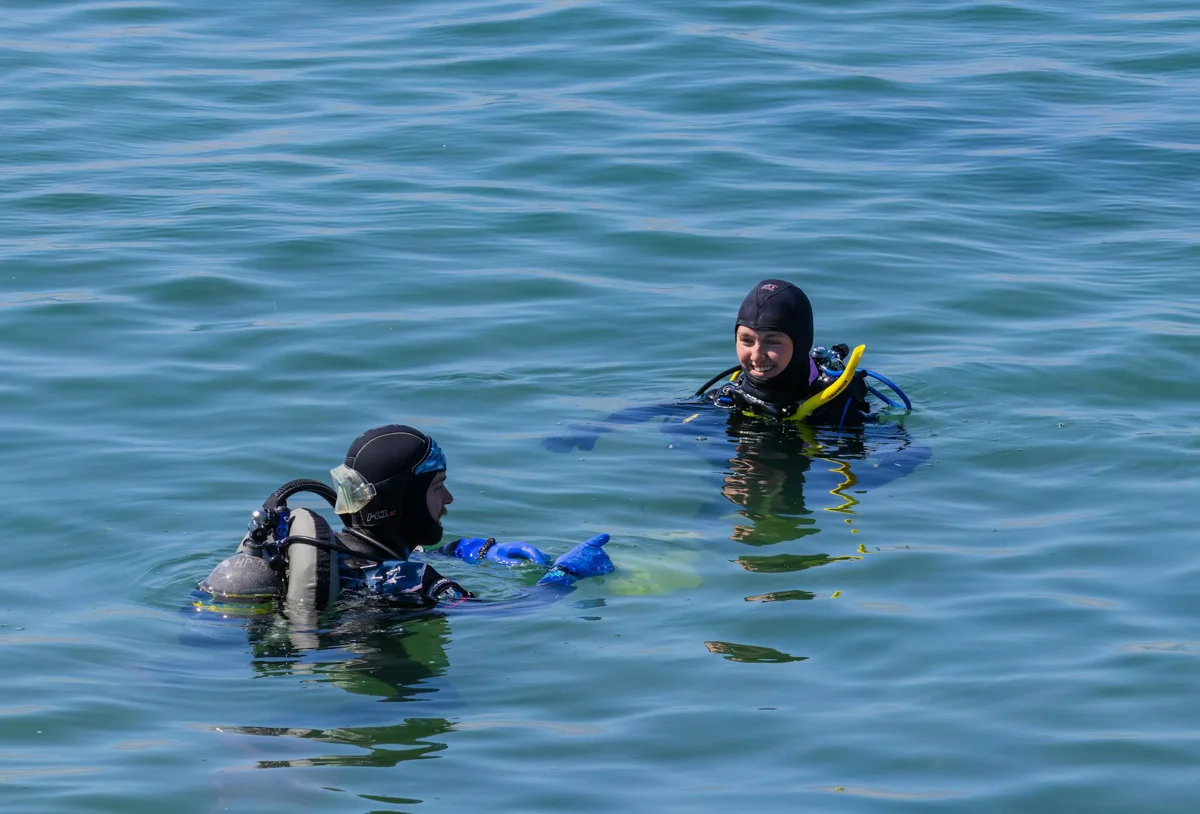
TipsManaging air when your buddy breathes twice as much as you
Diving with someone who burns through air twice as fast is awkward and common. The classic rule — whoever hits 100 bar signals first — works, but there's more to it: how to plan the dive knowing that upfront, how to handle it without making your buddy feel bad, and when to accept that the pairing simply doesn't work.
 Health
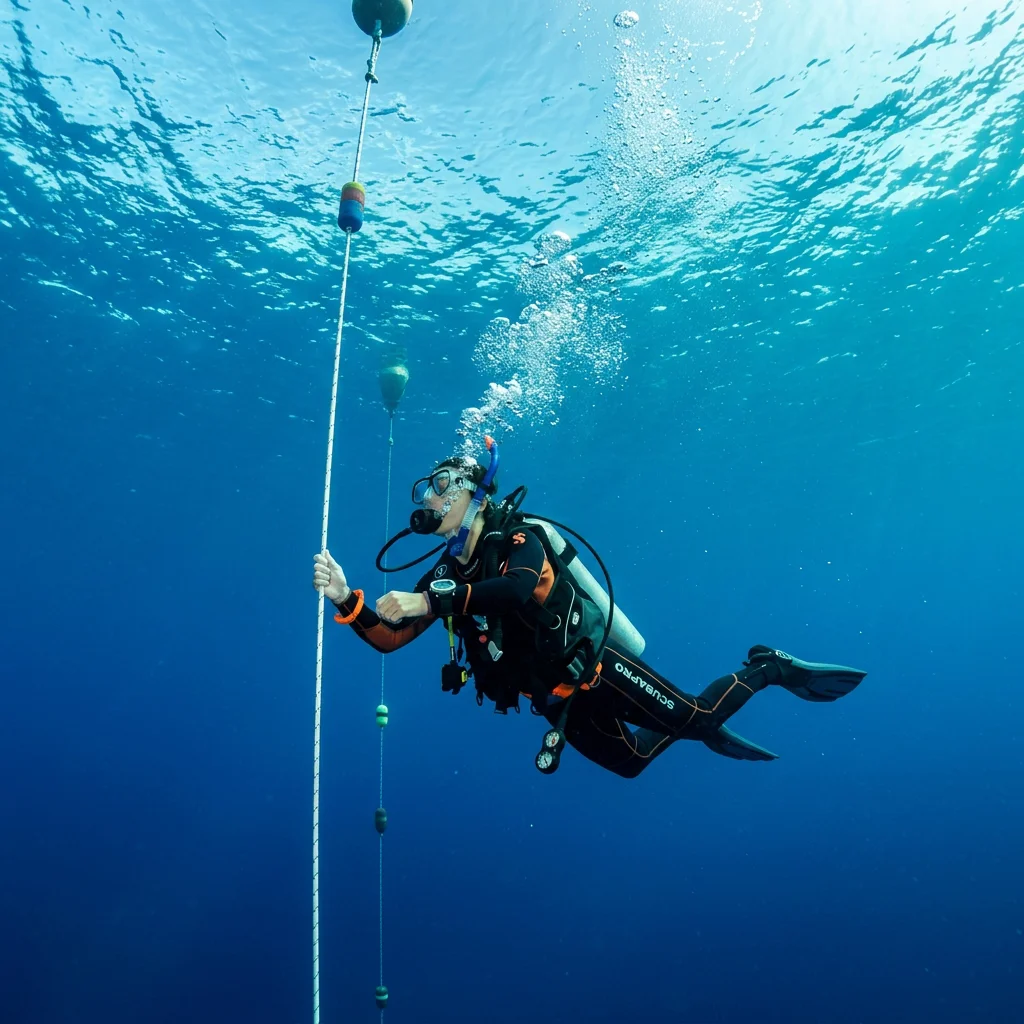
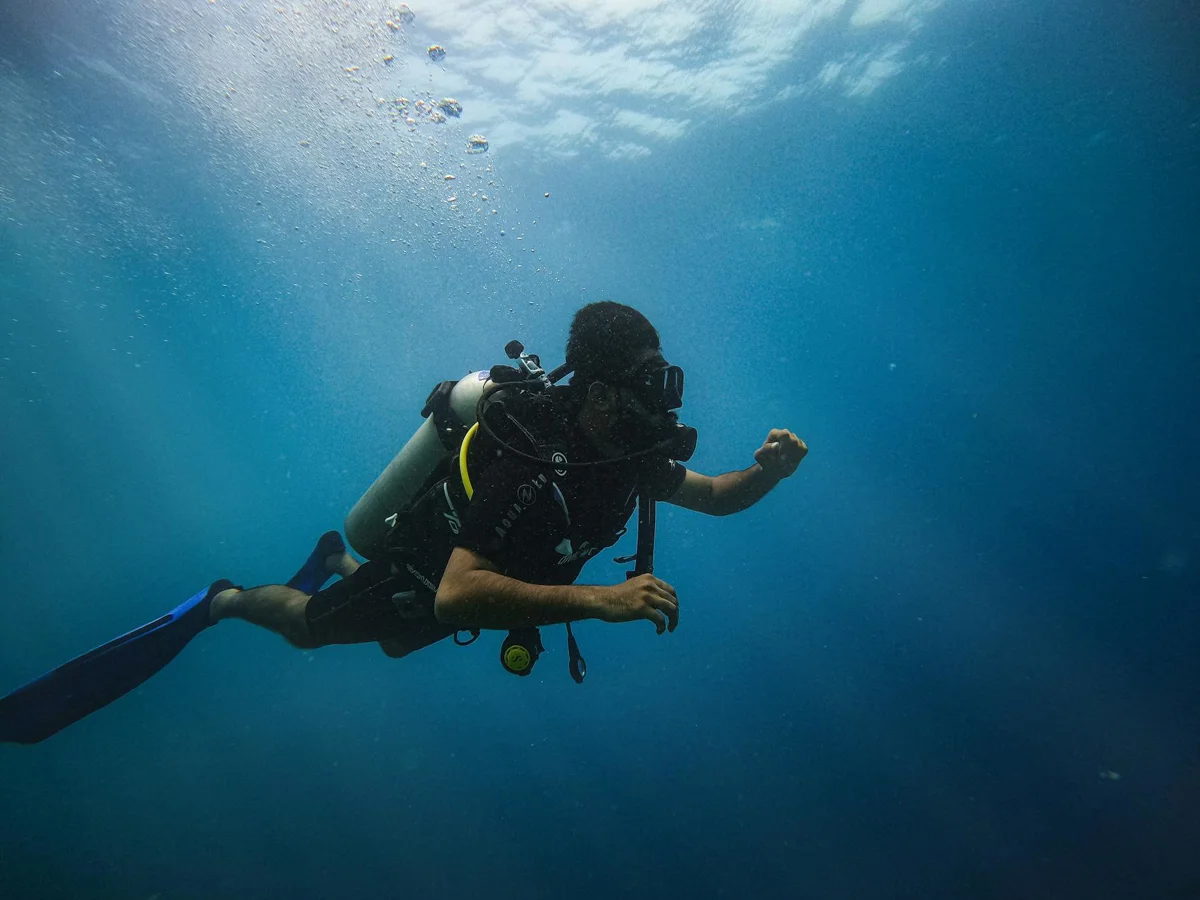
Sinus barotrauma and vertigo in diving: causes, symptoms and prevention
Sinus barotrauma is the second most common diving injury. Frontal sinuses most affected, nasal congestion is key risk factor.
 Equipment
Wing vs jacket BCD: why beginners should stick to a jacket
The wing-versus-jacket debate splits recreational and technical divers. Experienced divers favour the wing for horizontal trim and modularity. Beginners do better with a jacket for surface stability. The right choice hinges on dive count and the type of diving you actually do. Neither system is universally superior.
 Ecology
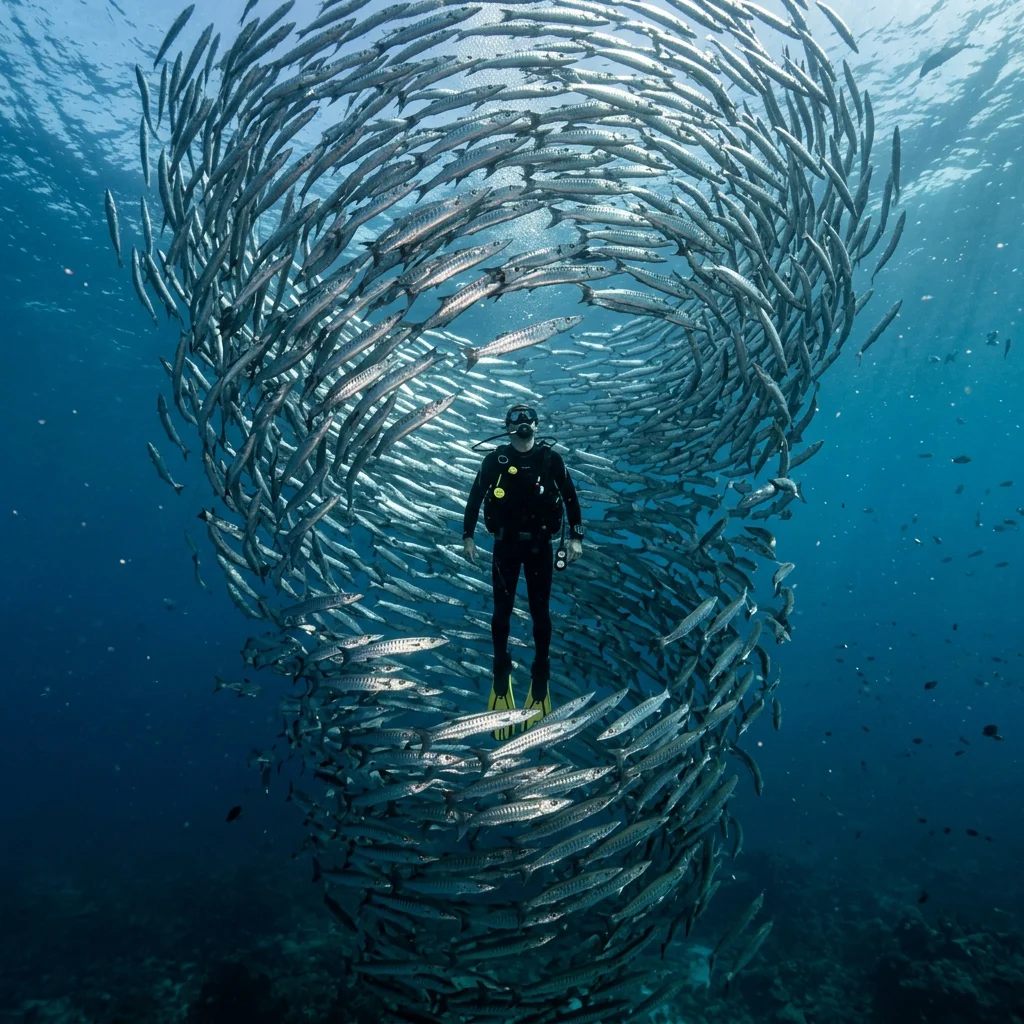
Marine conservation and activism: how divers protect the ocean
Diving industry $20 billion/year. PADI citizen science. COP15 30x30 agreement: protect 30% of oceans. Underwater cleanups and marine litter inventories. Divers are direct witnesses of environmental degradation.
 Travel
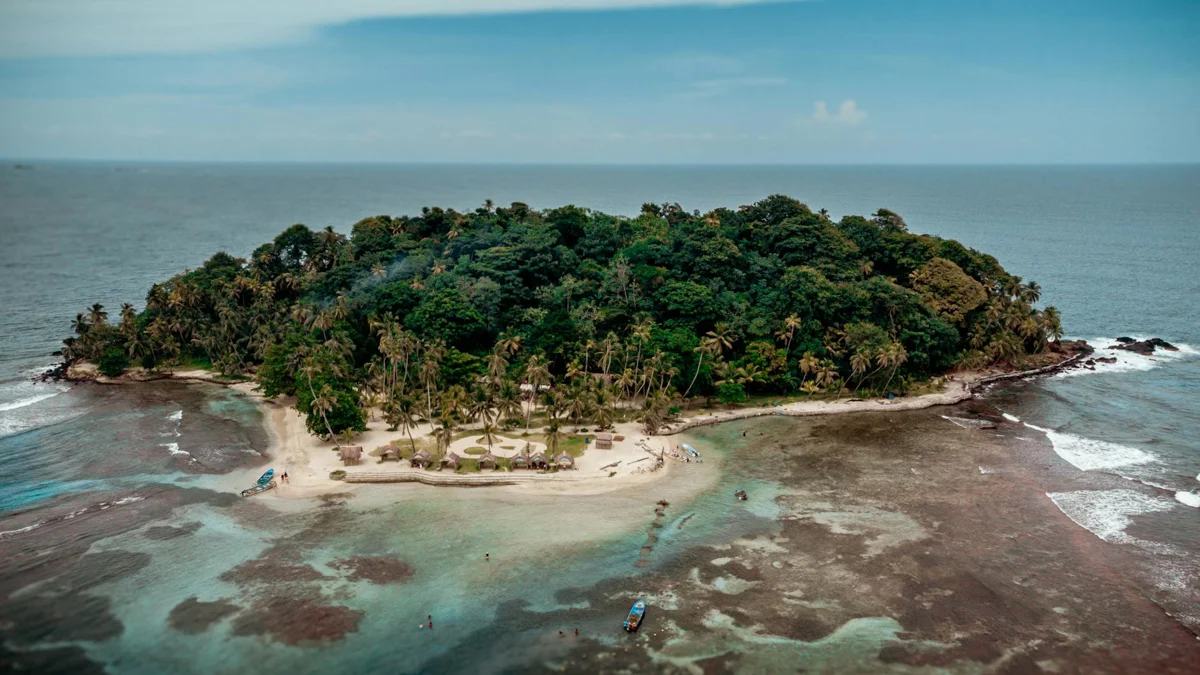
São Tomé and Príncipe: Africa's undiscovered dive destination
São Tomé and Príncipe is a two-island volcanic archipelago in the Gulf of Guinea, sitting on the equator off the coast of Gabon. One of the least-visited countries on Earth, it barely registers on the dive circuit. Vertical walls, Atlantic pelagic life and migrating humpback whales make it a genuine explorer's destination, not a packaged resort trip.
 Health
Scuba diving and antihistamines: why that Reactine before your dive is a bad idea
Allergy antihistamines like Reactine, Claritin, Aerius, and Zyrtec seem harmless, and plenty of divers pop one before getting in the water without a second thought. The reality is different: they can cause serious equalization problems, underwater drowsiness, and interact with pressure in ways that are hard to predict. This guide covers which OTC drugs are acceptable, which are not, and why only a hyperbaric medicine physician can make that call.
 Tips
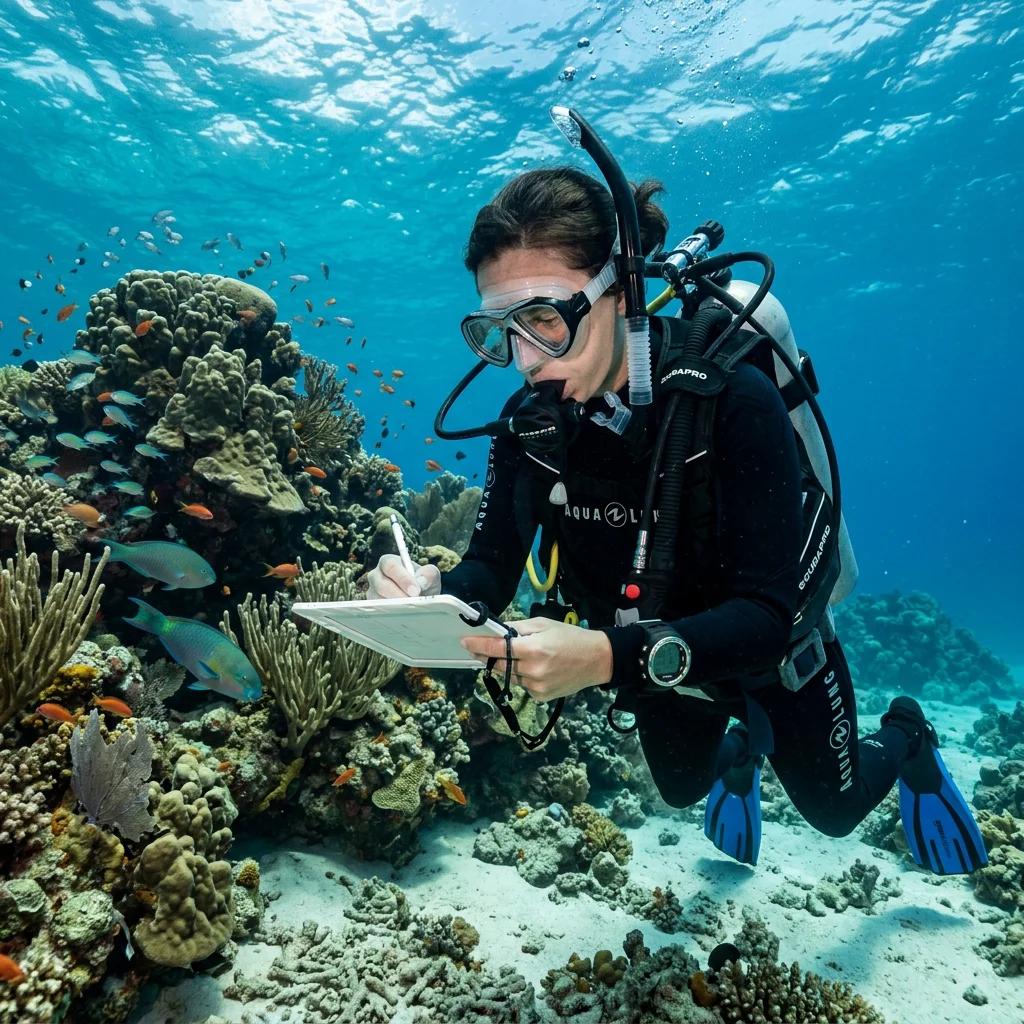
TipsLegal regulation of scuba diving in Spain: everything you need to know
Learn about the legislation governing scuba diving in Spain: Royal Decree 347/2011, restrictions in marine reserves and the division of powers between the State, autonomous communities and municipalities.
 Diving
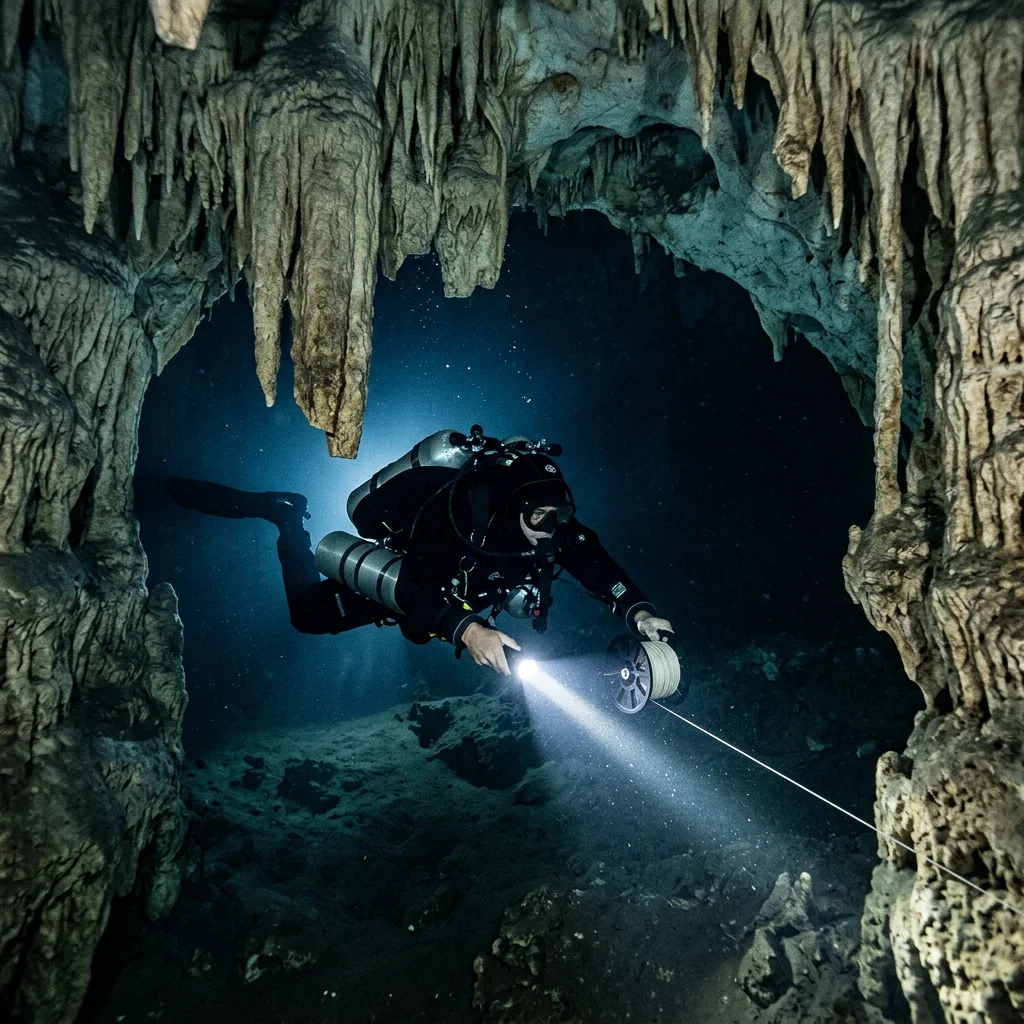
Cave diving: real risks, essential training and safety protocols
More than 400 divers have died in Florida caves since 1950. Learn the three main causes of accidents according to NSS-CDS.
196 articles found