
Dive Sites
Discover the most spectacular reefs, wrecks and underwater caves on the planet. All thermal information, visibility and difficulty levels for your next logbook entry.
Featured Dives(4277 sites)
 AI image
Scapa Flow
Stockport
The dive club offers organised trips further afield such as Scapa Flow.
 AI image
Haven
Blyth
The Haven dive site, located near Genova, Italy, is a premier destination for experienced technical divers. This site is situated off the coast of Liguria, with access being exclusively by boat, typically launched from the port of Genova or other nearby coastal points. Navigation to the dive site requires good coordination and local knowledge to ensure a safe and accurate approach to the wreck. The underwater topography of the Haven is entirely dominated by the wreck of the same name, a large oil tanker that lies in an upright position. The upper parts of the hull, including the funnel, are found at a depth of approximately 32 meters, offering an entry point for technical dives. As one descends, the wreck extends downwards, reaching the propeller at a maximum depth of 80 meters, making it a challenging and exciting site to explore. The marine life surrounding the Haven is abundant and diverse, having adapted to the wreck environment. The corroded metal surfaces provide a substrate for various invertebrate species, including sponges, corals, and crustaceans. Small fish seeking refuge among the ship's structures can be observed, as well as larger fish that patrol the surrounding areas. The presence of these organisms makes the wreck a living ecosystem. Sea conditions around Genova can vary, but generally, this dive site requires excellent visibility for safety and the best experience. The depth of the wreck means that sunlight can be limited at greater depths, impacting visibility. Currents can be present, especially as one approaches the seabed, and divers must be prepared for these conditions, which can fluctuate significantly. This dive site is strictly suitable for certified technical divers with experience in deep and wreck diving. The maximum depth of 80 meters necessitates advanced training in rebreather diving or open circuit with multiple gas capabilities and thorough planning. The Haven is not appropriate for recreational divers or beginners due to the technical requirements and associated risks. For a safe and rewarding dive at the Haven, it is recommended to focus on meticulous dive planning, including depth profiles, gas consumption, and emergency procedures. It is essential to carry appropriate technical gear, such as multiple dive computers, powerful dive lights, and additional safety equipment. Respect for the wreck environment and marine life is paramount, avoiding any touching or alteration.
 AI image
Scottish Islands
Glasgow
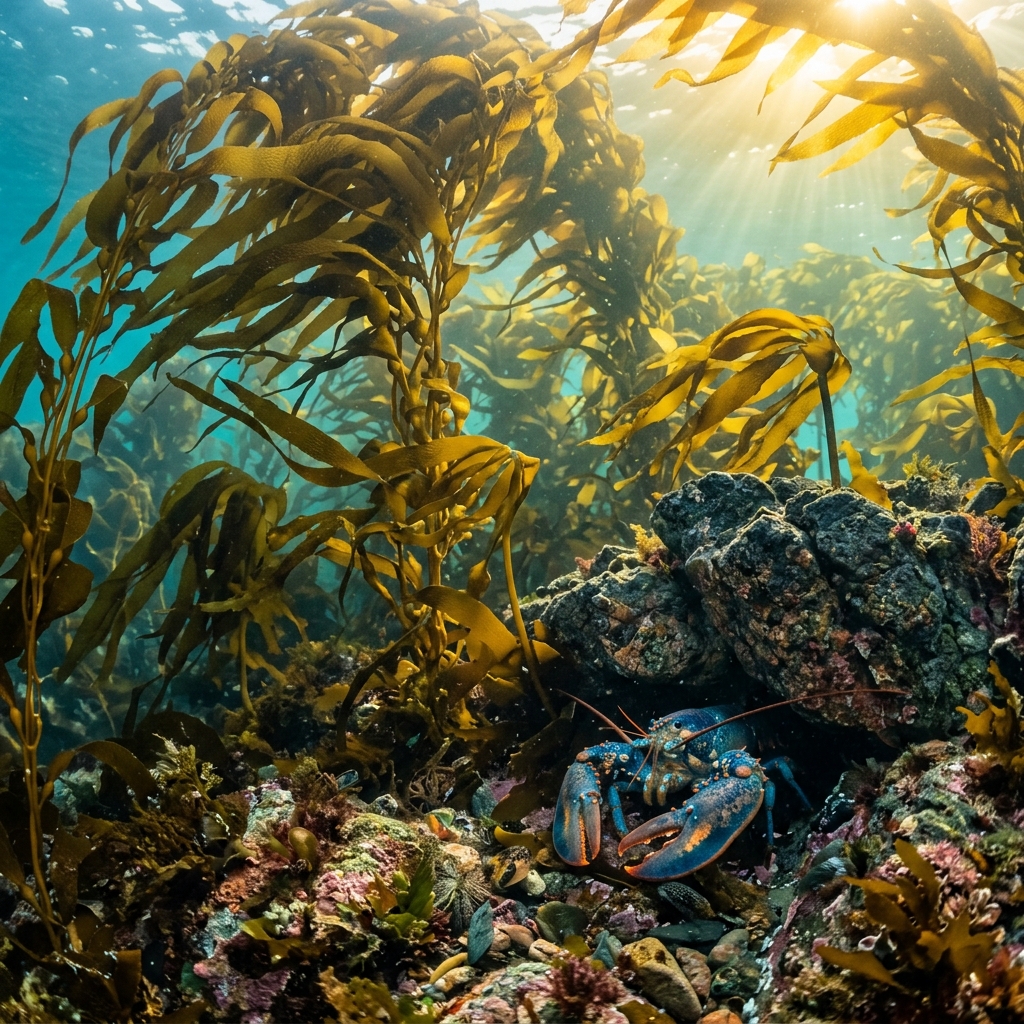
This dive site is located near the Scottish Islands, off the coast of the city of Derry in Northern Ireland, GBR. Access to this location may require private vessels due to its offshore positioning, and land-based access points can be limited. The distance from the shore suggests a dive that often relies on the availability of local dive boats or expedition services. The underwater topography in this region around the Scottish Islands is diverse and can vary significantly. Features such as rocky slopes, large boulders covered in marine life, and potential small caves or crevices where marine life may find shelter are expected. The exact depth is unspecified, but the nature of being around islands often implies a seabed that can range from shallow areas to steeper inclines as one moves away from the coast. The marine life found in these northern waters is typically hardy and adapted to colder conditions. Visitors can expect to encounter a variety of marine flora and fauna common to the north British coastlines. This includes various species of kelp, starfish, sea urchins, and potentially crabs and small marine fish that inhabit the cover of the seaweed and rock formations. The presence of larger marine mammals such as seals or dolphins cannot be ruled out in this environment. The diving conditions in this region are typically variable and dependent on the season and weather. Visibility can be limited at times, especially after storms or during periods of high nutrient content in the water. Water temperature will be relatively cold year-round, requiring an appropriate wetsuit or drysuit. Currents can be moderate, necessitating careful dive planning. This dive site is best suited for divers with some experience, particularly those accustomed to cold water conditions and limited visibility. Certified divers at intermediate to advanced levels may find this dive more rewarding, as navigation can be more challenging and conditions may require better equipment management. Novice divers should only consider this option if accompanied by an experienced guide. It is advisable to bring your own full dive gear, including a thick wetsuit or drysuit, as well as some form of head protection. Carrying dive lights may be helpful even during the day, as certain nooks can be dark. Pre-booking with a local dive center to arrange transport and ensure you are aware of current conditions is crucial for a safe and enjoyable dive.
 AI image
Rathlin Island
Ballycastle
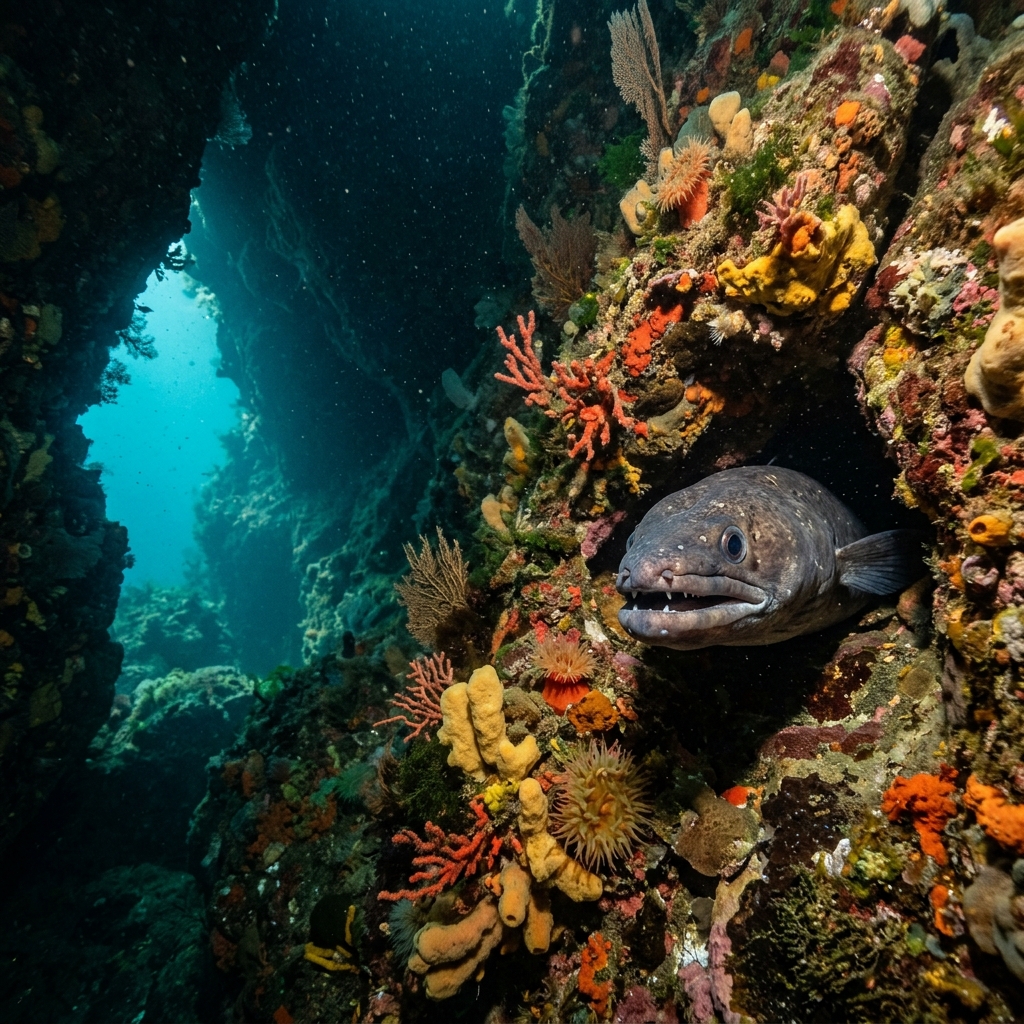
Rathlin Island, located off the coast of Northern Ireland in GBR, is a remote and stunning diving destination. Access to Rathlin Island typically involves taking a ferry from Ballycastle on the Northern Ireland mainland. Once on the island, divers will need to coordinate transport to the exact dive entry point, often with the assistance of local divers or specialist dive operators, as the island has limited infrastructure for direct shore access for diving. The underwater topography of Rathlin Island is characterized by its variety and dramatic nature, featuring submerged cliffs that drop off into unknown depths, interesting rock formations, and strong currents that sculpt the seascape. Large boulders are expected, possibly with some shallow caves or swim-throughs, creating sheltered areas for marine life. The presence of currents can indicate nutrient-rich zones, fostering a vibrant marine biosphere. The exact depth is unspecified, but the often exposed nature of the island suggests potential diving opportunities at various depths. The marine life at Rathlin Island is diverse and abundant, influenced by the cold, nutrient-rich waters of the North Atlantic. A variety of fish, including native species of the region, are likely to be encountered, alongside invertebrates such as sea urchins, starfish, and various types of mollusks. Rocky areas are likely to host colonies of crustaceans and possibly some grey or common seals foraging. The diversity of kelp and marine plants also contributes to the vibrant ecosystem. Dive conditions at Rathlin Island can be challenging, with cold waters year-round requiring high-specification dive suits. Visibility can vary considerably, dependent on weather conditions and sea currents, potentially being excellent on calm days or reduced during periods of heavy rain or strong swell. Currents can be significant, particularly around the island's headlands, and are a key factor to consider before entering the water. It is essential to check local forecasts before planning a dive. Rathlin Island is best suited for experienced and advanced divers, particularly those comfortable with cold-water diving and potentially strong currents. The need for coordinated transport, variable conditions, and the possible presence of currents makes it less ideal for novice divers or those seeking a very relaxed diving experience. Divers looking for a challenge and the wild beauty of northern marine life will be rewarded. Practical tips for diving Rathlin Island include bringing appropriate cold-water gear, including drysuits or thick wetsuits, and planning transport in advance as services on the island are limited. It is crucial to be aware of the weather and sea conditions and always dive with an experienced buddy or local guide. Being prepared for potential currents and checking safety equipment are essential for a safe and enjoyable experience.
 AI image
Causeway Coast
Ballycastle
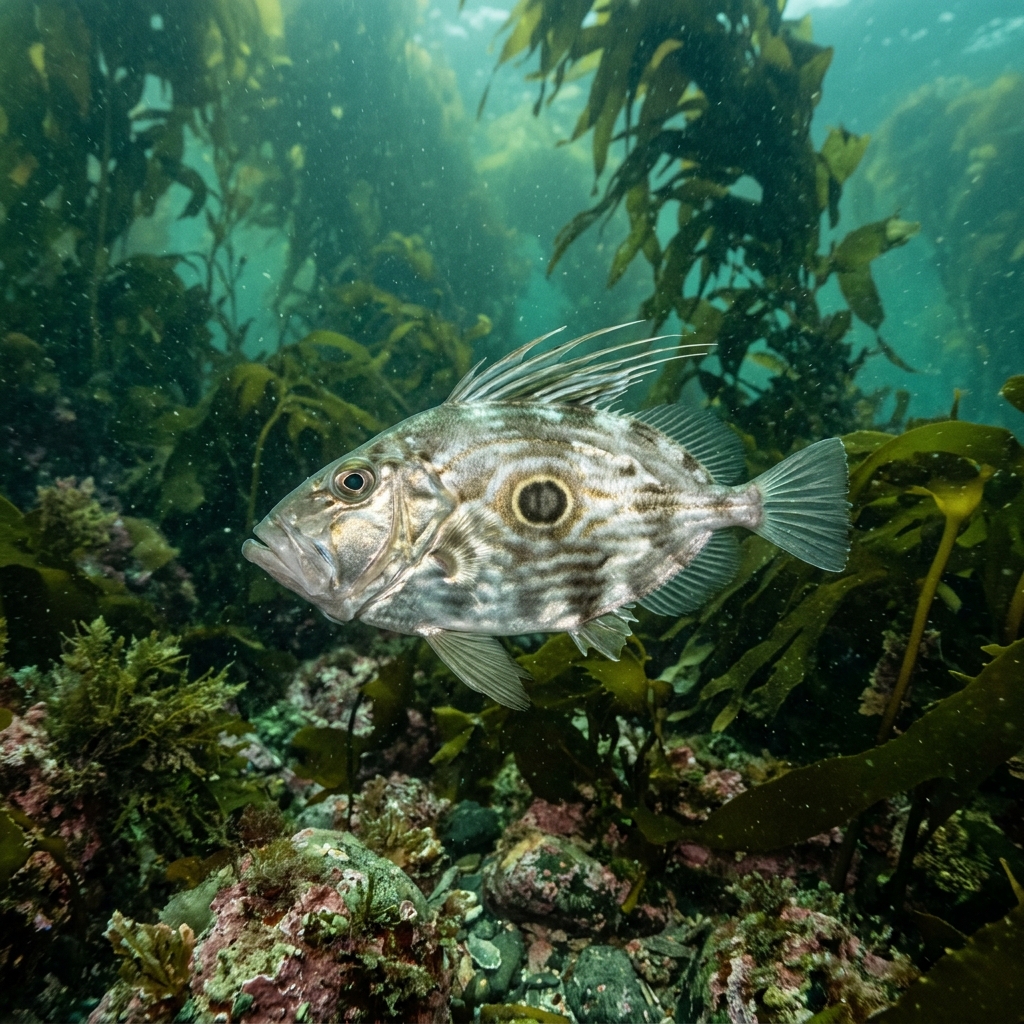
The Causeway Coast, located in Northern Ireland, GBR, is a notable diving destination that draws aquatic enthusiasts to its potentially rich waters. Access to the dive site generally involves navigating the scenic coastline, with potential entry points from designated coastal spots or via local boat charters for more remote exploration. Proximity to coastal towns can facilitate travel and supply logistics. The underwater topography of the Causeway Coast is characterized by diverse formations, which may include interesting rock structures, sandy areas, and potential walls or large boulders that offer various habitats for marine life. The exact depth of this dive area is unspecified, but the coastal regions of Northern Ireland typically exhibit gradual and more pronounced depth changes depending on proximity to cliffs or underwater features. Marine life likely to be encountered at the Causeway Coast is expected to reflect the ecology of the North Atlantic. Divers may encounter a variety of invertebrates such as sea urchins, starfish, and crabs, as well as various fish species indigenous to the region. Areas that provide shelter and food, such as kelp forests or rocky outcrops, are likely to attract a greater biodiversity. Conditions for diving at the Causeway Coast are subject to the region's weather patterns, which can be variable. Visibility can be affected by swell, tides, and freshwater runoff. Colder water temperatures, typical for this latitude, are expected and require appropriate thermal protection. Sea conditions can change rapidly, making checking local forecasts crucial. The Causeway Coast is suitable for divers possessing an intermediate to advanced certification level, particularly those comfortable with potentially exposed conditions and cooler water temperatures. The varied underwater topography might offer interesting opportunities for deep divers or those interested in underwater photography. Novice divers may require supervision or consider more sheltered locations. Practical tips for diving the Causeway Coast include wearing adequate thermal protection (wetsuit or drysuit), using reliable dive gear, and being aware of current and tidal conditions. It is advisable to dive with an experienced buddy or a local guide familiar with the area. Familiarization with the regional marine life and potential hazards will enhance the dive experience.
 AI image
Santa Felixstowe
Felixstowe
The Santa Felixstowe dive site is located near the city of Arzachena, in the Sardinia region of Italy. This underwater location is primarily accessible by boat, as its exact position at sea requires maritime transport for safe access. Its proximity to the Sardinian coast makes it a focal point for divers exploring this part of the Mediterranean. Underwater, Santa Felixstowe is known as a wreck dive site. The submerged topography is dominated by the remains of the vessel, which create artificial structures within the marine ecosystem. These wrecks serve as habitats for various marine life, altering the natural seabed landscape and offering points of interest for exploration. The marine life found around Santa Felixstowe includes typical Mediterranean species that have adapted to living in wreck environments. Divers are likely to observe fish inhabiting structures, invertebrates clinging to metal surfaces, and other organisms finding shelter and food amongst the ship's remnants. The presence of the wreck fosters local biodiversity. Conditions and visibility at Santa Felixstowe can vary depending on the prevailing weather and oceanographic conditions. As a maritime site, it may be subject to currents, and visibility can be affected by water turbidity and the amount of suspended sediment. It is advisable to check local forecasts before planning a dive to ensure an optimal and safe experience. This site is particularly suitable for divers with experience in wreck diving. The nature of the location, with potential for scattered debris and a complex structure, can present a challenge and requires appropriate buoyancy and navigation skills. Divers certified for wreck diving or with prior experience at similar sites will fully appreciate this location. As practical tips, divers should be aware of potential metal fragments and ensure they maintain neutral buoyancy to avoid damaging the site or marine life. It is essential to respect the fragility of the wreck environment and follow the guidance of local dive operators. Equipment checks and careful dive planning are fundamental for safety.
 AI image
Maldives
Stockport
Diving in the Maldives, organised by the Stockport dive club, presents an extraordinary opportunity to explore one of the world's most iconic archipelagos for diving. This aquatic experience is geographically located in the Indian Ocean, thousands of miles away from the English city of Stockport, the club's base. Access to this underwater paradise is exclusively via boats organised by the club, which manage transport from designated points, ensuring a comfortable and efficient journey to the dive locations. The underwater topography of the Maldives is renowned for its diversity and spectacle. It includes a variety of ecosystems such as vibrant coral reefs, vertical walls, gentle slopes, and the fascinating channels that connect the atolls. These sites often feature lush coral formations, small caverns, and potential holes where marine life thrives. The marine life is perhaps the greatest draw of the Maldives. Divers can expect to encounter overwhelming biodiversity, with corals of all colours and shapes, including gorgonians and brain corals. The fauna includes a wide variety of tropical fish, such as brightly coloured reef fish, Napoleon wrasse, eagle rays, and with a bit of luck, even majestic whale sharks and manta rays. Conditions in the Maldives are generally ideal for diving throughout much of the year, with warm waters and exceptional visibility often exceeding 30 metres. Water temperature is typically constant, hovering between 27°C and 30°C. While the exact depth of the dive sites offered by the club is not specified, Maldivian atolls usually offer a range of depths suitable for all levels. This trip is suitable for divers of all levels, from beginners to experts, thanks to the variety of dive sites available. Certified divers with experience can enjoy the deeper slopes and channels, while less experienced individuals can explore the shallow coral gardens. Practical tips include bringing sun protection, an underwater camera to capture the beauty, and always following the club leaders' recommendations for safe and responsible diving.
 AI image
Wraysbury Dive Centre
Staines-upon-Thames
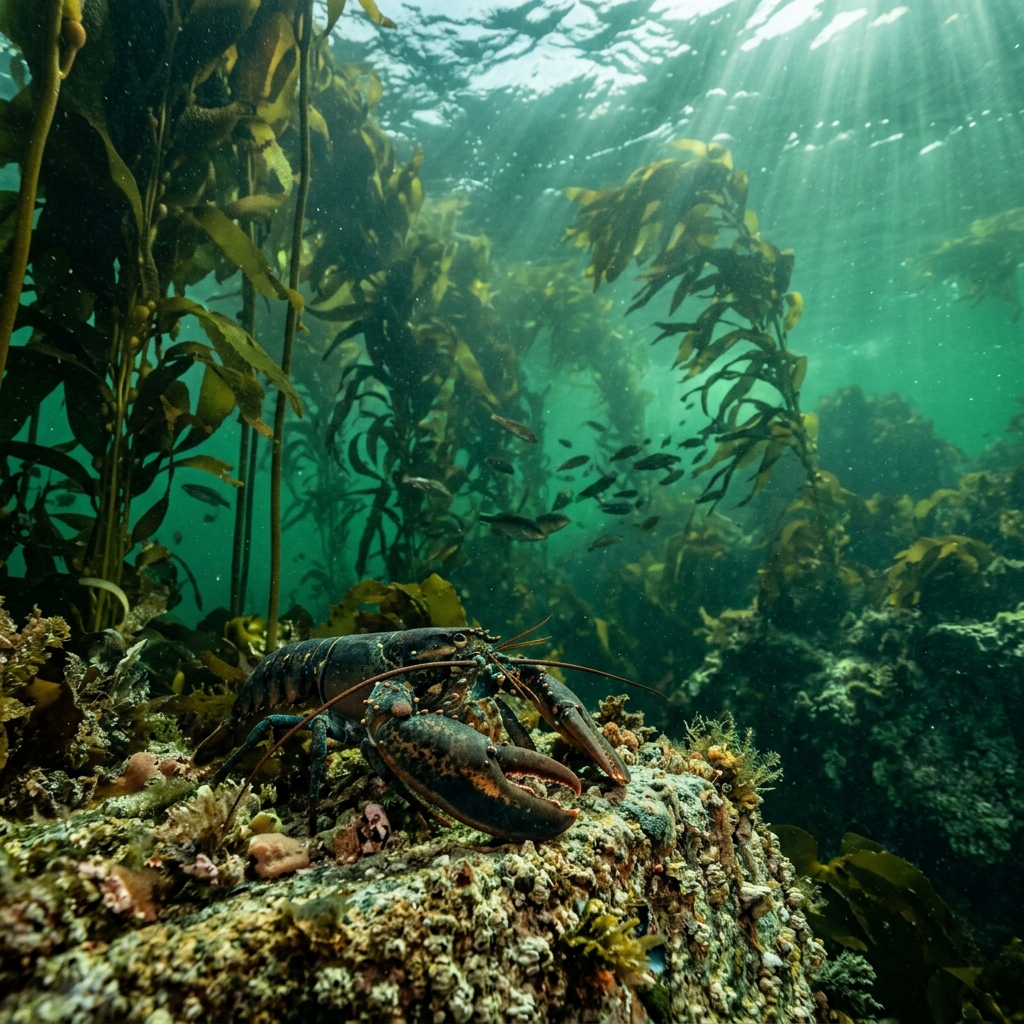
Wraysbury Dive Centre is located near London, GBR, offering a shore entry for diving. This accessibility from the land makes it a convenient point of access for divers of all levels. Its proximity to a major city also facilitates access for those traveling from further afield, allowing for easy integration into travel plans. The underwater topography at Wraysbury Dive Centre is that of a lake. While the exact depth of the site is not specified in the available information, lake diving environments typically feature varied characteristics that may include gentle slopes, flat areas, and potential natural or artificial structures. The nature of the substrate may vary, potentially including sediment that influences visibility. The marine life at Wraysbury Dive Centre will be typical of a freshwater lake environment. Common freshwater fish species found in the region, such as perch, carp, and pike, along with other species adapted to this habitat, can be expected. The presence of aquatic vegetation may also attract invertebrates and provide shelter for marine life. Conditions and visibility at Wraysbury Dive Centre can vary significantly depending on environmental factors such as weather, water nutrient levels, and sediment disturbance. As a lake, visibility may be limited compared to marine dive sites, especially following heavy rainfall or site activity. Water temperatures will also be a key consideration, particularly during colder months. Wraysbury Dive Centre is particularly well-suited for training divers and those looking to practice skills in a controlled environment. Its shore entry and the policy of not charging for air fills or site entry make it a cost-effective option for dive schools and individual divers. It is also ideal for divers who prefer freshwater conditions and the convenience of a dedicated dive centre. As a practical tip, divers are advised to check with the dive centre for current conditions and visibility before their dive. Bringing appropriate cold-water gear is essential, as lake temperatures can be low. Take advantage of the free air and entry policies by planning your dives efficiently to maximize your learning or recreational experience.
 AI image
Wraysbury
Wraysbury
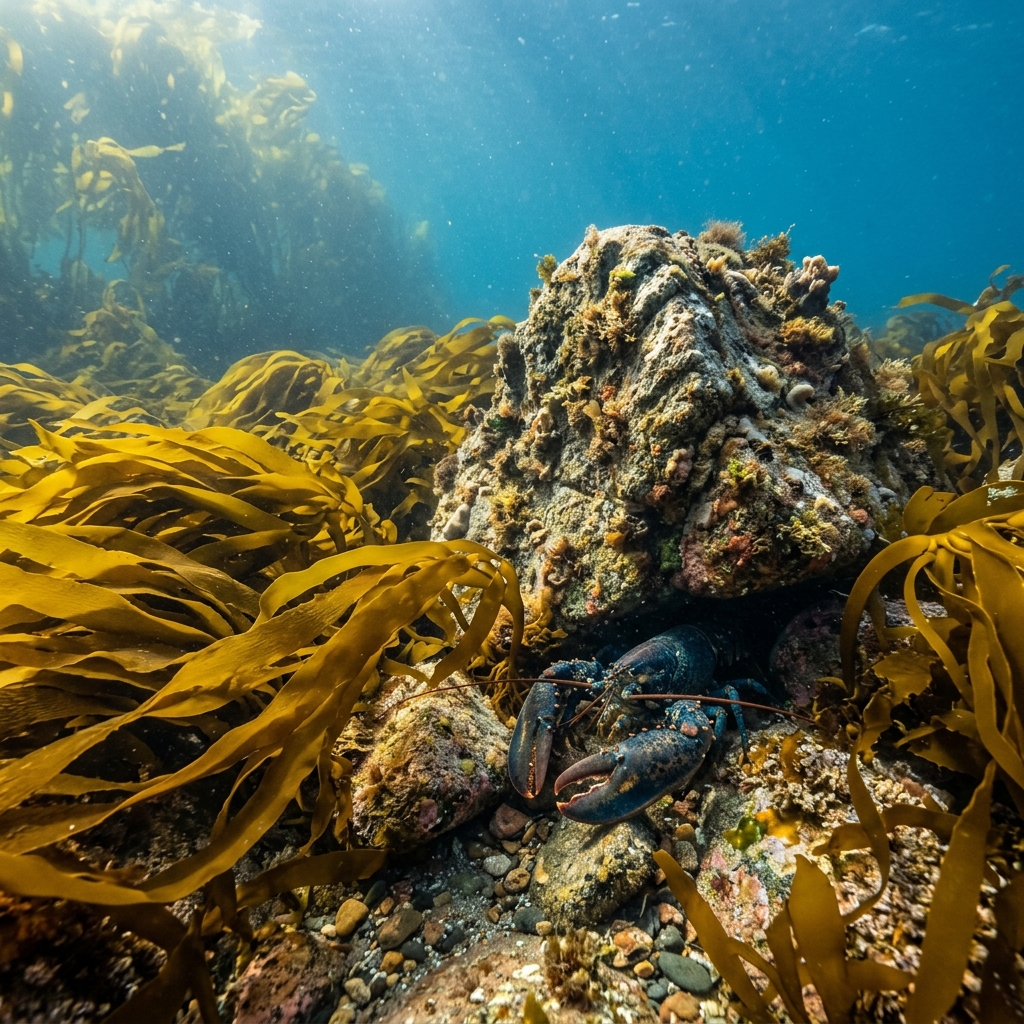
Wraysbury, situated in Middlesex, GBR, is recognised as London and the South East's Premier and Only Inland Dive Site, specifically dedicated to diving activities. The site offers shore entry, making it easily accessible for divers of all experience levels. Its designation as a prime inland dive destination highlights its importance and focus on the diving community within the region. The underwater topography at Wraysbury is varied and offers intriguing features for exploration. Divers can encounter submerged structures, including remnants of vehicles, as well as natural formations that create an interesting environment. While specific depths are not detailed, the diverse landscape suggests a range of conditions, potentially from shallower training areas to more challenging deeper sections. Despite being an inland freshwater site, Wraysbury supports a diverse array of marine life. Visitors can expect to see common freshwater fish species such as perch and carp, alongside other indigenous aquatic life. The presence of invertebrates and aquatic vegetation further contributes to the richness of the underwater ecosystem. Conditions and visibility at Wraysbury can be variable. As is typical for many inland freshwater dive sites, visibility can be affected by factors such as recent weather, water temperature, and sediment stirred up by activity. Divers should be prepared for potential fluctuations and may benefit from experience in less-than-perfect visibility. This dive site is suitable for a broad range of divers. The convenient shore entry and the presence of varied topography make it an excellent location for dive training, introductory dives, and skill refinement. Experienced divers can also find enjoyment and challenge exploring the site's features. Practical advice for diving at Wraysbury includes ensuring you have appropriate thermal protection for the water temperature, which can vary seasonally. It is advisable to check the site's operating hours and any specific regulations or guidelines before your visit. Always conduct a thorough pre-dive safety check and be aware of your surroundings.
 AI image
Ballycastle
Ballycastle
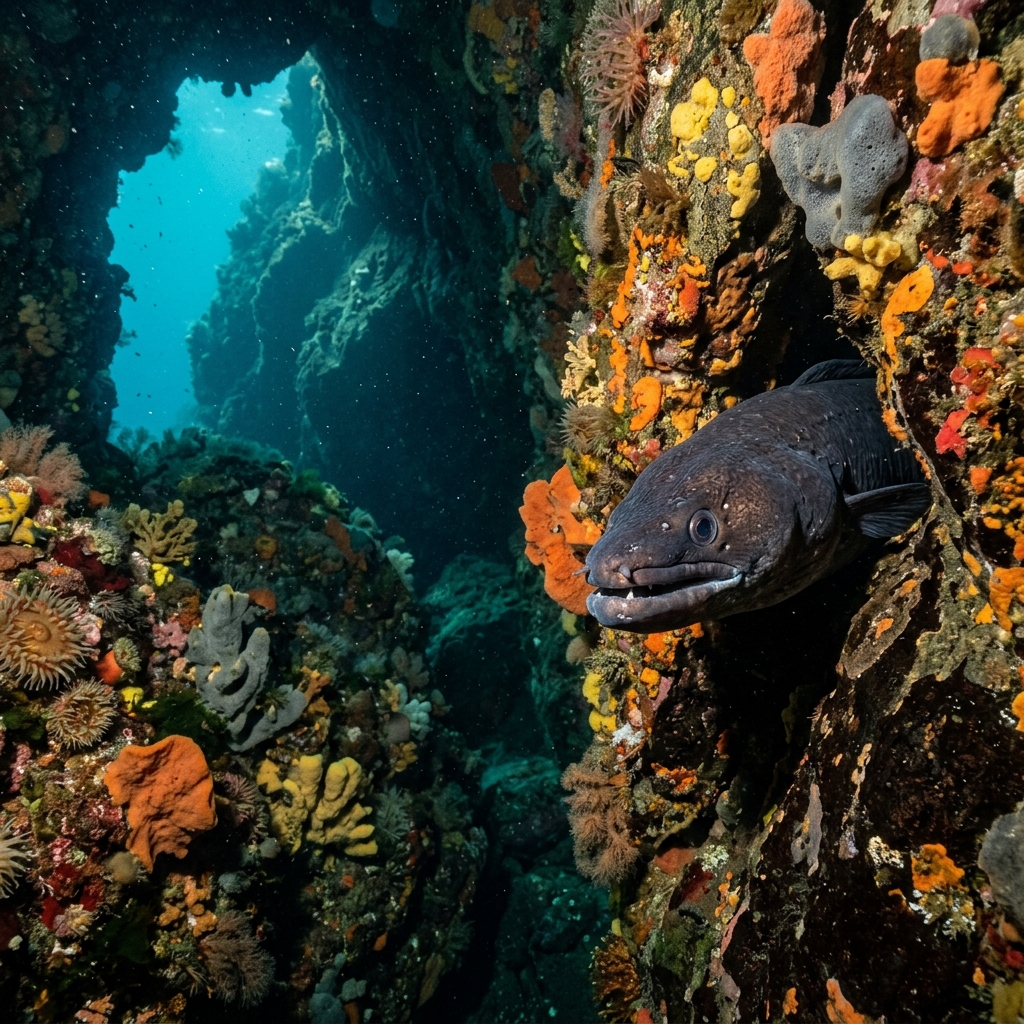
Ballycastle is situated on the picturesque north coast of Northern Ireland, in the United Kingdom. Access to this dive site is typically gained via one of the town's harbours or jetties, allowing for an easy entry into the water for both scuba divers and freedivers. Its proximity to the town centre facilitates straightforward logistics for gear and transport. The underwater topography at Ballycastle is characterized by its predominantly rocky nature and diverse formations. Divers can expect to encounter large boulders, sheer walls that drop into unknown depths, and areas with a mixed sand and gravel bottom. The complexity of the terrain creates numerous nooks and crannies that serve as havens for marine life. The marine life found at Ballycastle is typical of temperate northern waters. Divers can anticipate observing a variety of invertebrate species such as sea urchins, starfish, crabs, and mussels. In terms of fish, common sightings include wrasse, small groupers, and other reef fish that shelter amongst the submerged structures. Conditions at Ballycastle can vary significantly. The waters are generally cool, even during summer months, and visibility can fluctuate depending on tides and the amount of nutrients in the water. On favourable days, visibility can be surprisingly good, allowing for a clear appreciation of the underwater landscape. This dive site is generally suitable for divers with intermediate to advanced experience levels, particularly given the unknown depths. Potential currents and the uneven terrain necessitate a good grasp of diving skills. However, with appropriate supervision, it could be accessible to less experienced divers in calm conditions. It is advisable to be well-equipped with drysuits or thick wetsuits due to the water temperature. Good lighting equipment is beneficial for exploring the darker recesses of the rocky formations. Checking the weather forecast and sea conditions before entering the water is essential.
 AI image
Portrush
Portrush
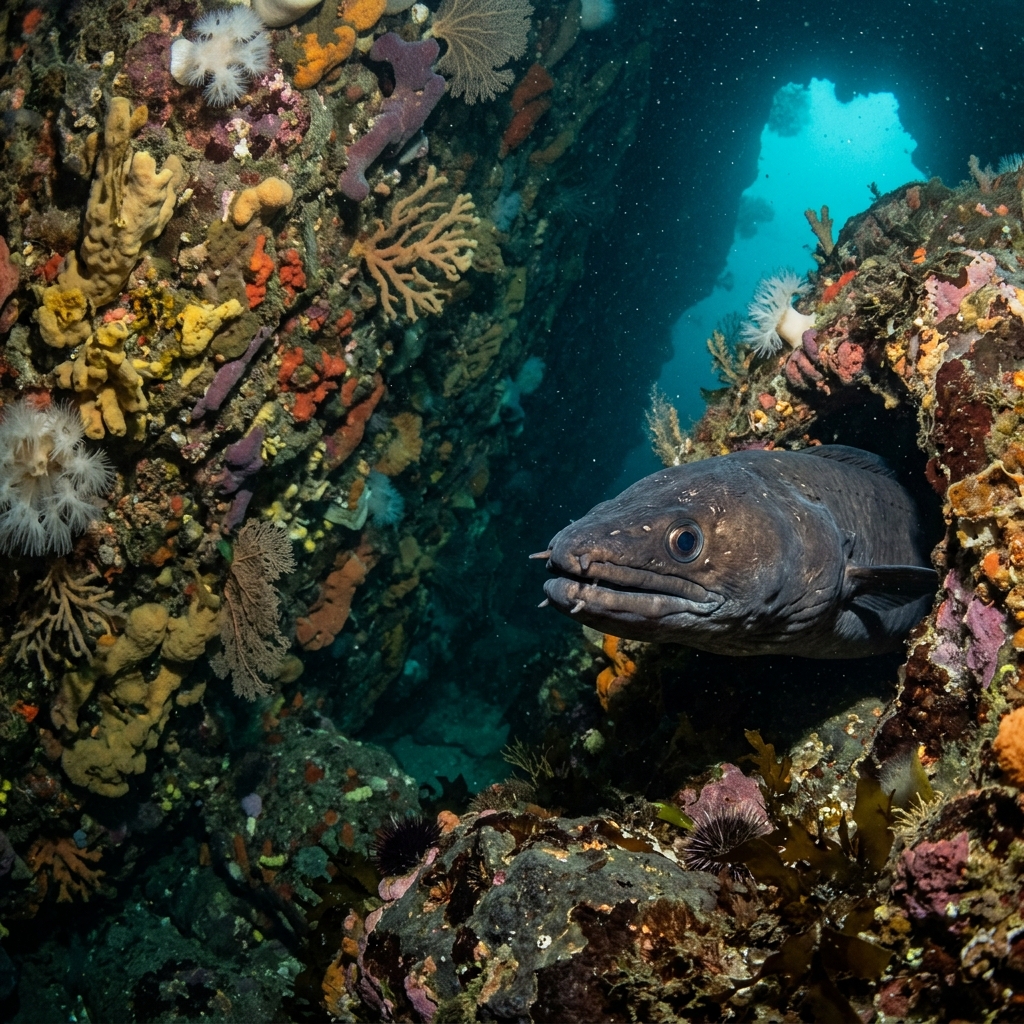
Portrush, located on the north coast of Northern Ireland, UK, is an accessible diving destination offering an interesting perspective on local marine life. Access is generally made from the shore or more commonly via charter boats or small private vessels departing from the nearby Portrush harbour. The proximity to the town facilitates logistics for divers looking to explore the surrounding waters. The underwater topography at Portrush is characterised by a mix of substrates, including sandy patches, boulder fields, and potential rock formations. These varied habitats create opportunities for a range of marine species. The exact depth is unspecified, but typical dives in this region are usually moderate, suitable for most diving levels. Marine life observed at Portrush can include a good representation of Atlantic coastal fauna. Visitors can expect to encounter various local fish species, crustaceans such as crabs and lobsters, and possibly molluscs clinging to rocky surfaces. The presence of kelp and other seaweeds provides shelter and sustenance for many of these creatures. Conditions at Portrush are subject to North Atlantic weather patterns, meaning the sea can be variable. Visibility can fluctuate considerably, influenced by tides, rainfall, and the presence of plankton. It is advisable to check local forecasts and be prepared for moderate visibility on any given day. This dive site is potentially suitable for Open Water divers and above, particularly those interested in coastal marine life and underwater photography. The harbour's proximity and the potential variability of conditions make it a more recommended site for those with some experience in cold water diving and with changing conditions. For a safe and enjoyable diving experience at Portrush, it is essential to bring appropriate cold-water gear, including a thick wetsuit or a drysuit. Dive planning should take into account local tides and weather conditions. It is always recommended to dive with a buddy and inform someone of your location and estimated time of return.
 AI image
Amoco Milford Haven
Portree
Immersione sul relitto della Amoco Milford Haven. Il relitto della Haven si estende dai 32m del fumaiolo agli 80m dell’elica.