
Blog & News
Discover the best tips, travel guides, marine conservation news and secrets of the underwater world.
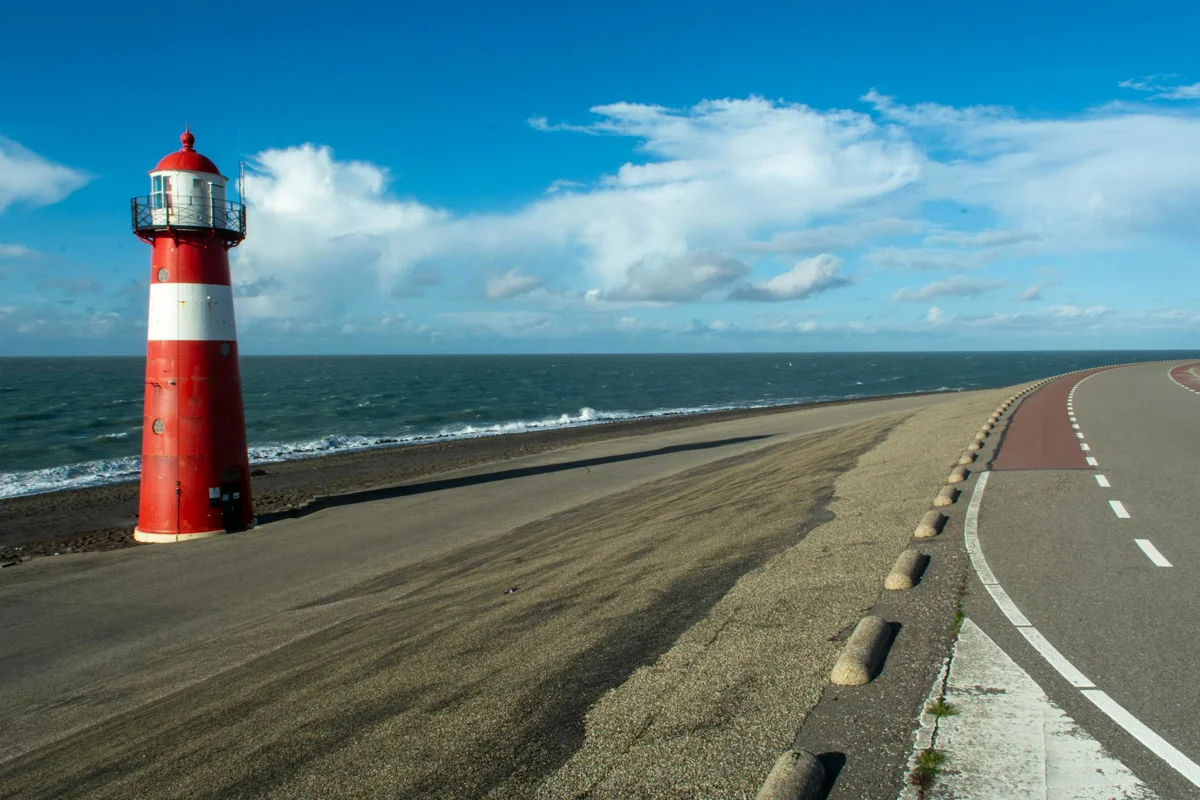
Netherlands, Zeeland: the most popular shore diving in northern Europe
Zeeland (southern Netherlands) is home to the Oosterschelde, a national park with the highest concentration of recreational divers in northern Europe. It is a tidal estuary with cold-water North Sea species: giant cuttlefish, lobsters, wolffish. Sites are shore-accessible by car, with infrastructure well suited to beginners. A classic cold-water initiation destination.
 Tips
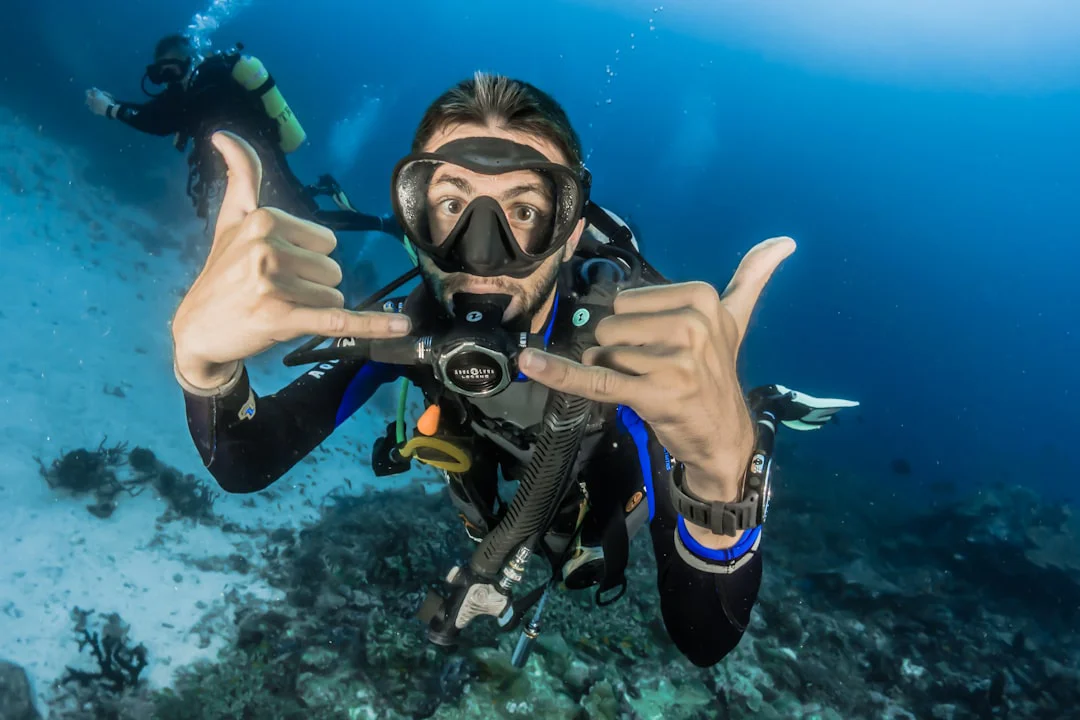
TipsAlternobaric vertigo: one ear equalizes, the other doesn't, and everything spins
Alternobaric vertigo is one of those moments that changes how you descend forever. It happens when one ear equalizes and the other lags behind, and the pressure difference between labyrinths sends contradictory signals to your brain. The result is nausea, disorientation, and — worst of all — an overwhelming urge to bolt for the surface at exactly the wrong moment.
 Travel
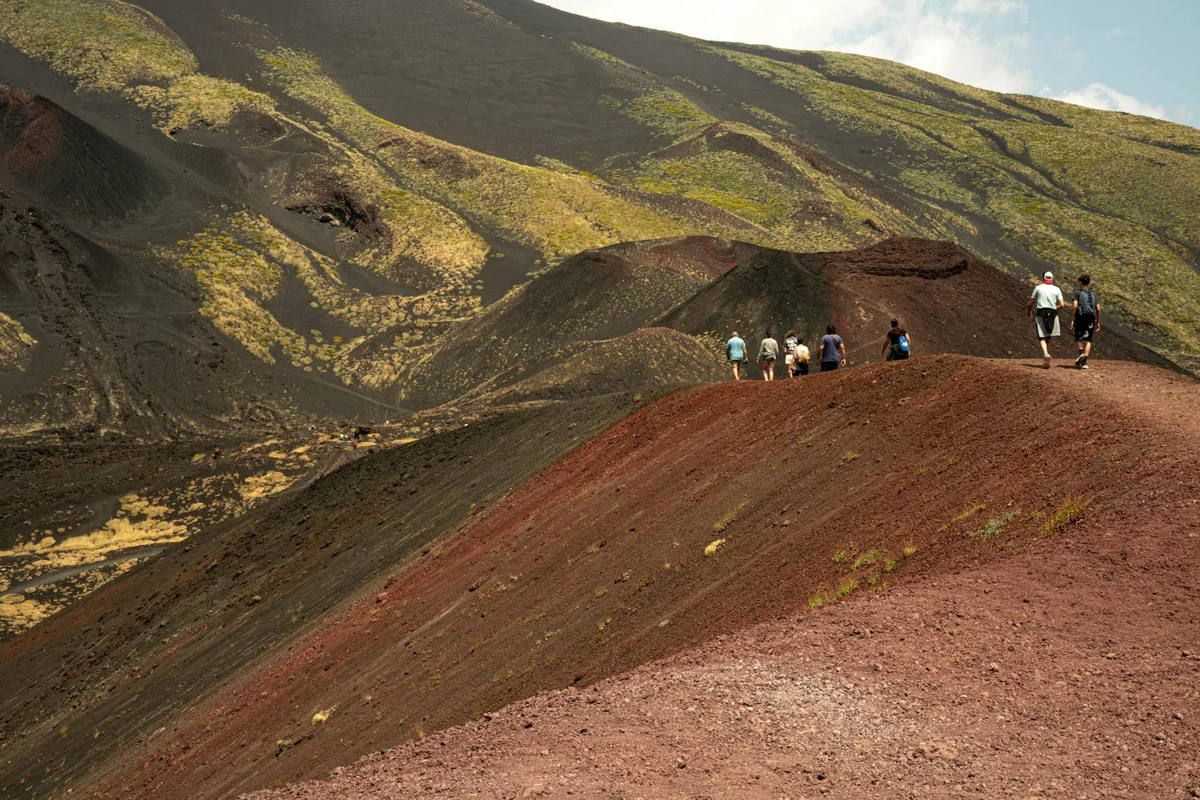
Eastern Sicily, Catania: volcanic lava diving and Etna underwater
Catania's coastline, on Etna's eastern flank, is one of the few Mediterranean areas where recent volcanic lava shapes the seabed. Centuries of eruptions have built a basalt-dominated coast with black lava walls, lava tunnels, and Roman amphorae scattered across volcanic substrate. A geological alternative to the Aeolian Islands for divers drawn to the unusual.
 Health
Underwater panic: what to do when your buddy loses it
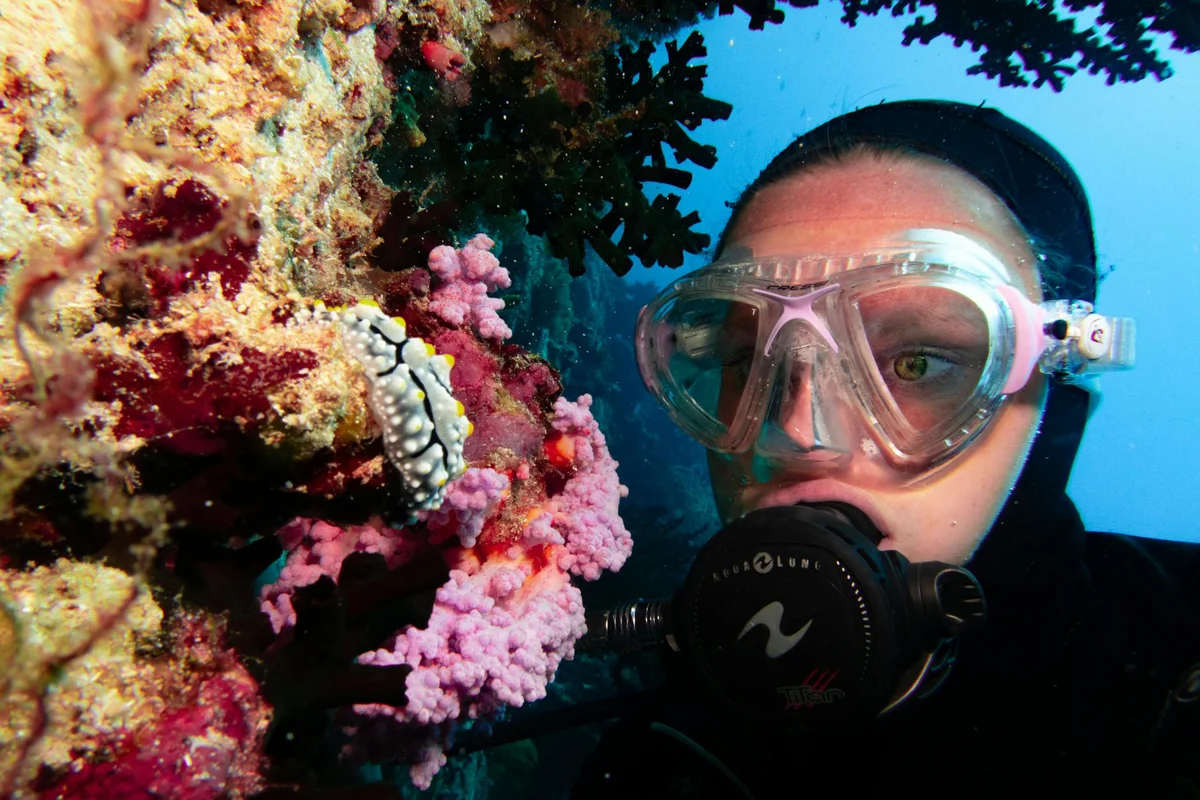
Underwater panic is the most dangerous situation in recreational diving. The victim loses rational control and can injure or drown a rescuer who handles it wrong. The correct response is deeply counterintuitive—it fights every natural instinct. This guide covers the right protocol, the fatal mistakes, and how to prevent panic before it starts.
 Stories
The US Navy Mark V Diving Suit: From Brass to Modern Gear
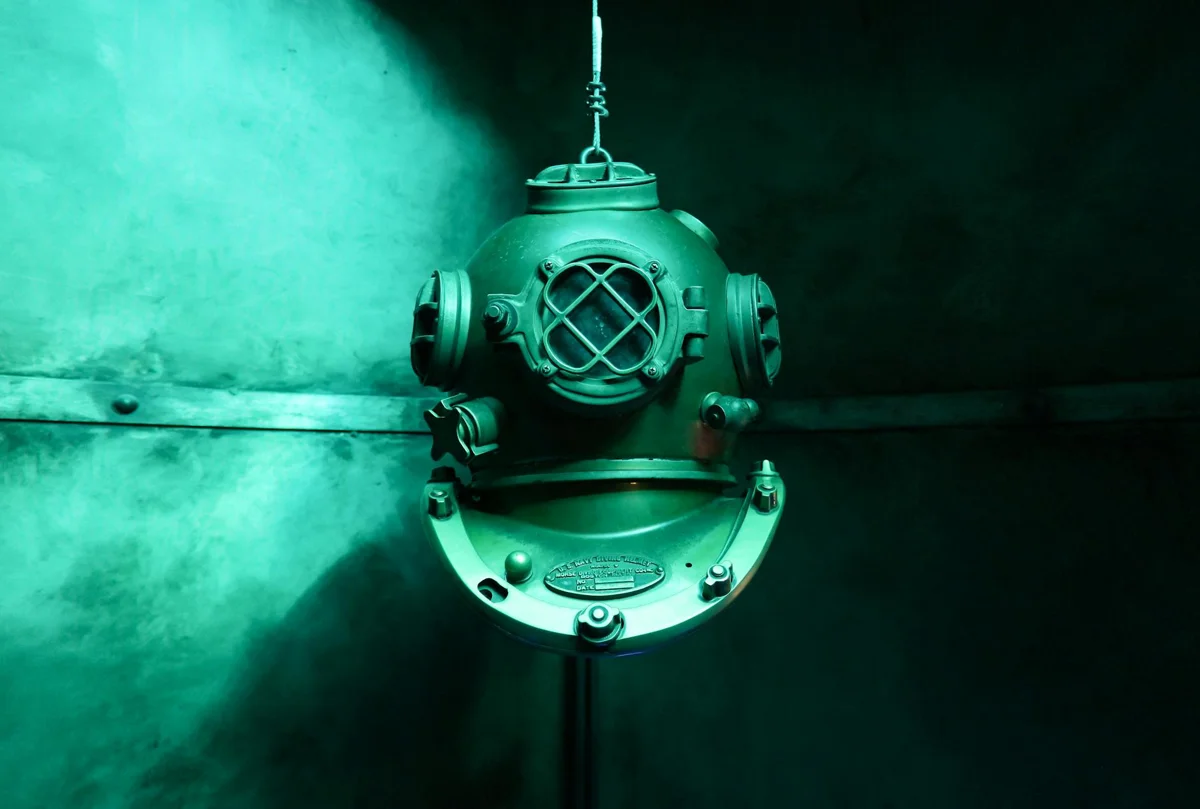
The Mark V was the US Navy's standard professional diving suit from 1916 to 1980. A 25 kg brass helmet, waterproof canvas suit, and 9 kg lead boots apiece — 86 kg in total. It appears in virtually every vintage naval diving photograph. Its development traces the arc of diving history from Victorian-era pioneers to the modern era of mixed-gas systems.
 Travel
Organising a group diving trip: buddies, liveaboards and logistics
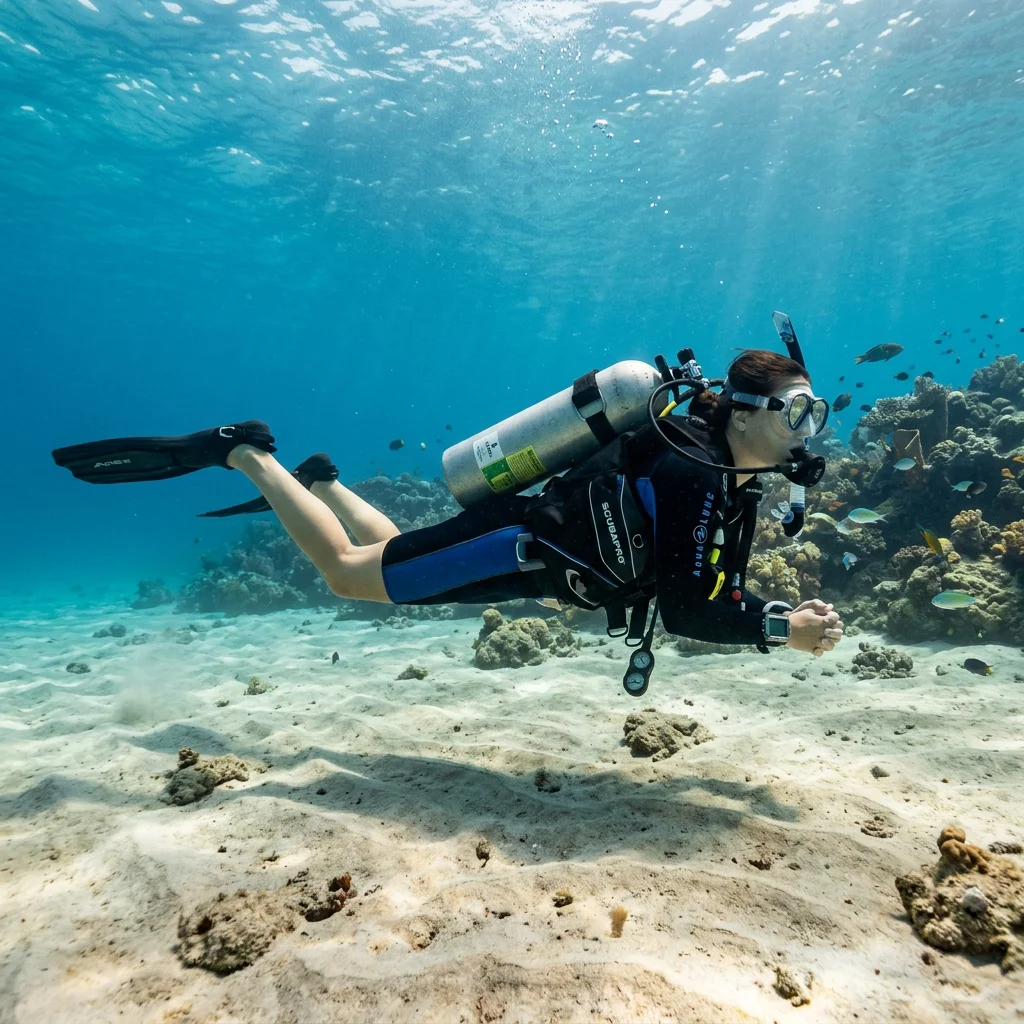
Clubs and platforms: Buceo y Viajes, Buceadores.club. Facebook groups. Liveaboards with single-supplement cabins. Verify certification levels and actual experience before committing.
 Equipment
Dive computer comparison: Suunto, Shearwater, Garmin
Suunto, Shearwater, and Garmin dominate the dive computer market with overlapping specs but very different design philosophies. Choosing between them comes down to your diving style — recreational or technical — your preferred interface, and how much the brand ecosystem matters to you. This comparison covers the relevant models from each manufacturer with honest assessments of real-world strengths and weaknesses.
 Travel
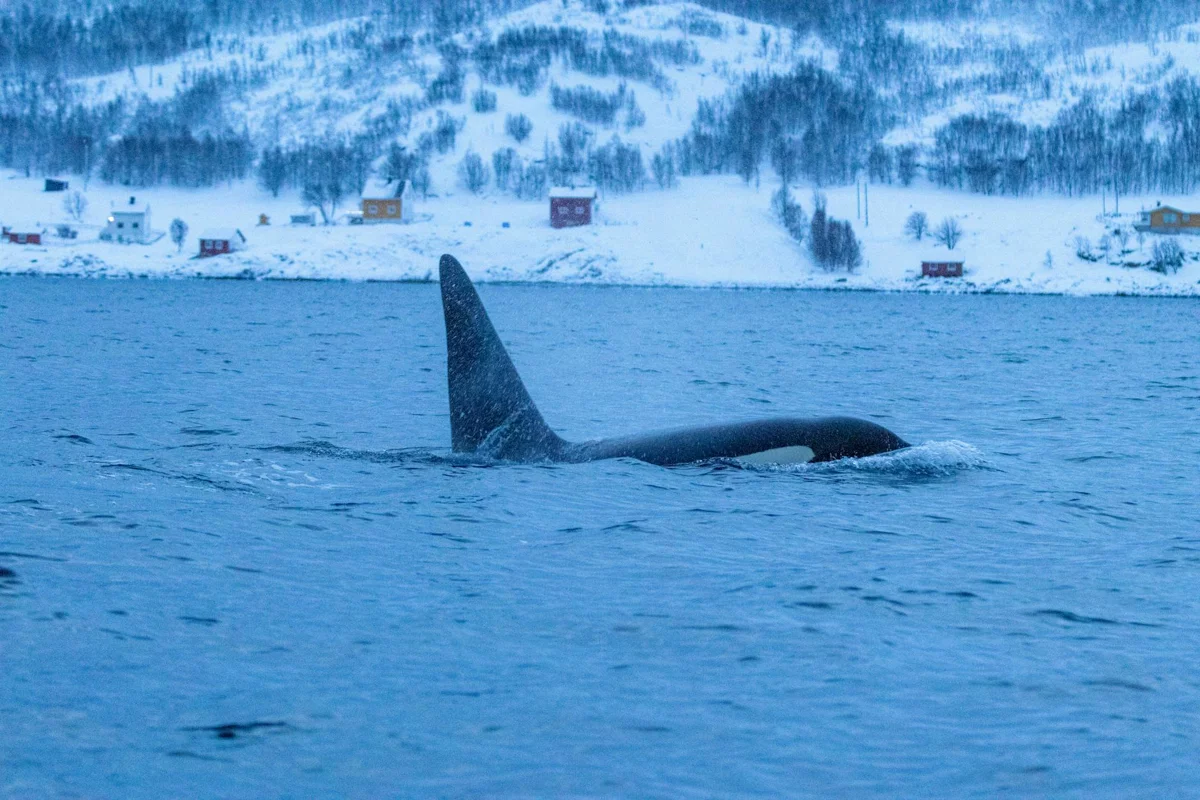
Norway, Trondheim: orcas and herring in Arctic waters
Norway hosts one of diving's most extraordinary spectacles: each winter (October–February) massive Atlantic herring shoals migrate into northern fjords (Skjervøy, Trondheim, Tromsø). Orcas and humpback whales follow, creating feeding events in accessible waters. Snorkelling and diving at 4–7 °C requires a drysuit. A cold-water destination defined by Arctic megafauna.
 Travel
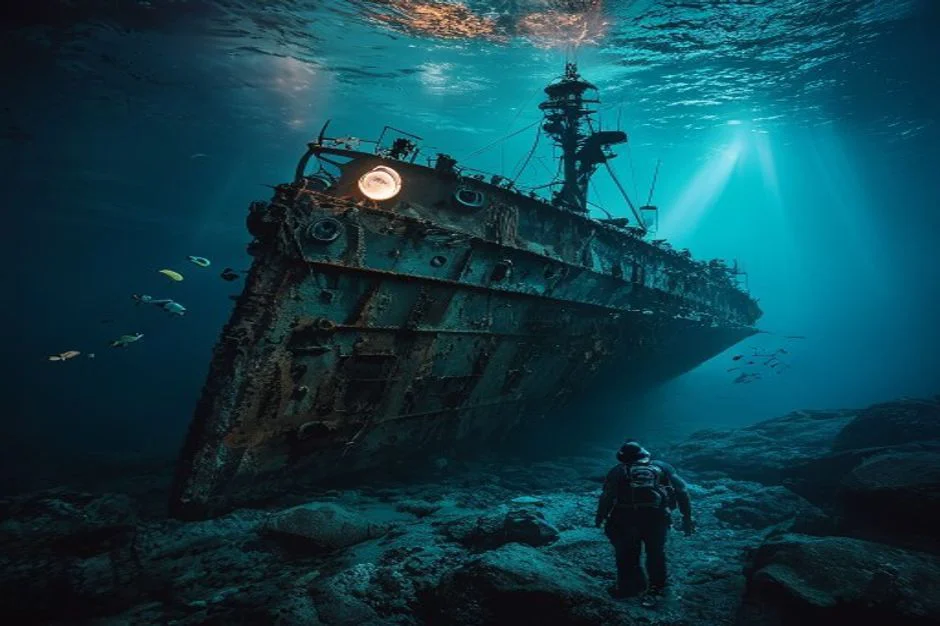
Scapa Flow, UK: the German fleet scuttled in 1919
Scapa Flow is the sheltered bay in Orkney, Scotland, where on 21 June 1919 the Imperial German Fleet was deliberately scuttled to prevent capture by the Allies. 74 ships went to the bottom; several are still diveable today. It is arguably the most visited historic underwater graveyard in the world, and for wreck divers it is a site of pilgrimage.
 Culture
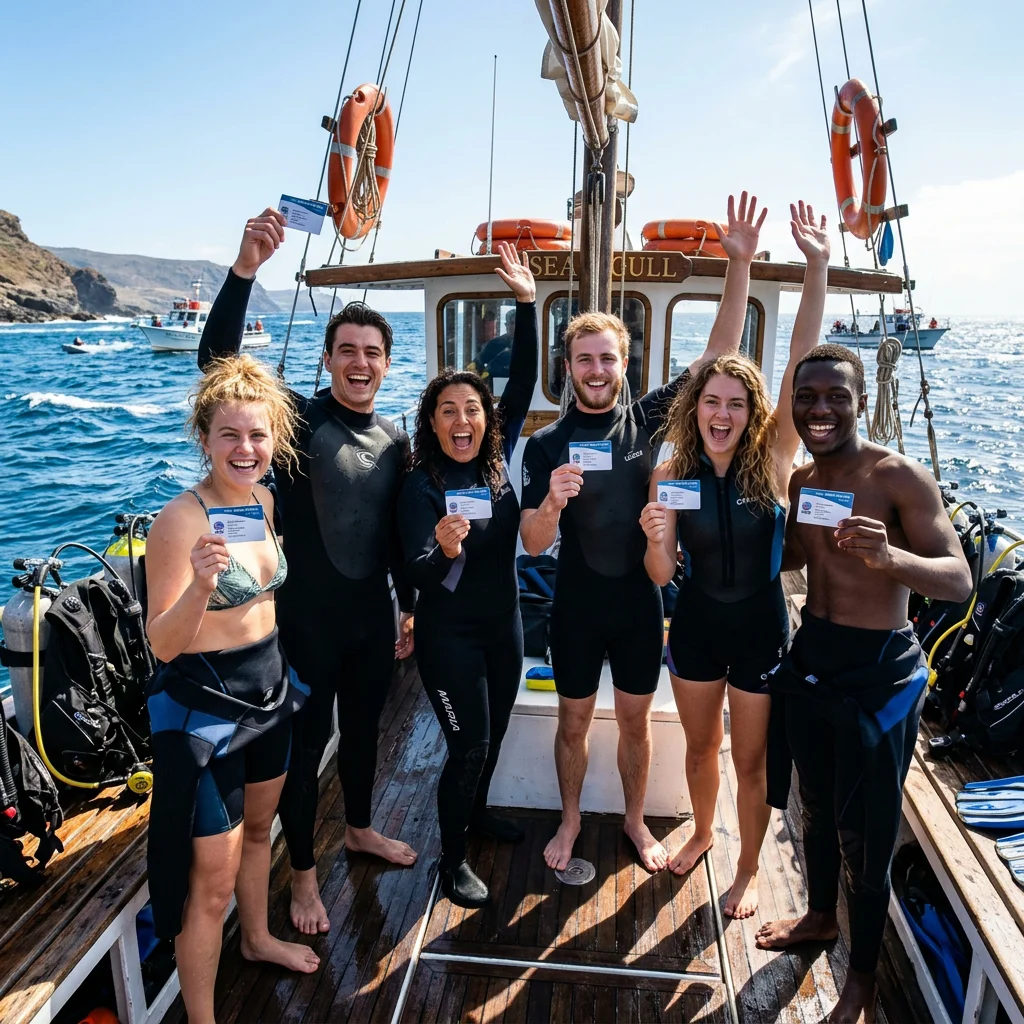
The future of the diving industry: digital transformation and new business models
Business of Diving Institute 2024: 49% of centres expected to increase profits (vs 57% previously). Casual divers displacing the core diver. Spain losing 26 shops/day. E-commerce and franchises eroding the traditional dive shop and school.
 Marine Life
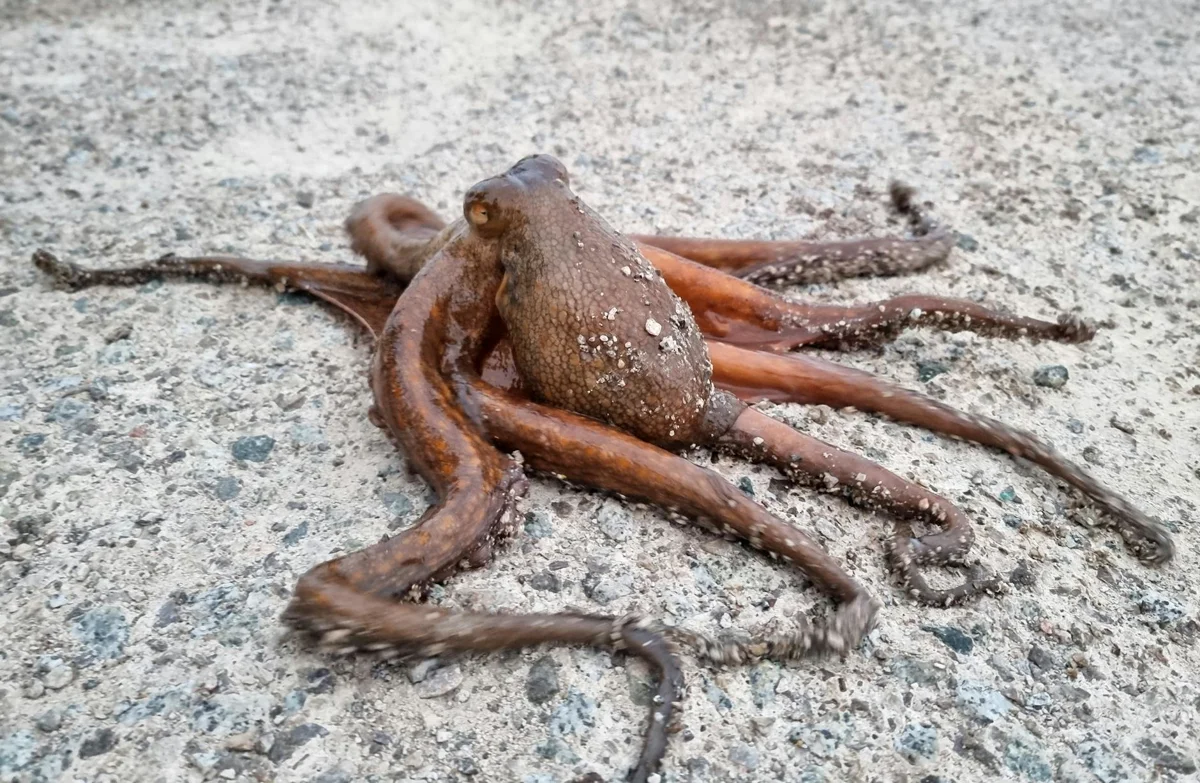
Common octopus (Octopus vulgaris): the intelligence you only see if you slow down
The common octopus is arguably the most photographed animal in the Mediterranean and one of the most underestimated in recreational diving. A cephalopod with a decentralised nervous system and cognitive abilities comparable to a dog, it can solve puzzles and recognise individual human faces. For attentive divers, spending 10–15 minutes with one is among the most rewarding encounters in the water.
 Marine Life
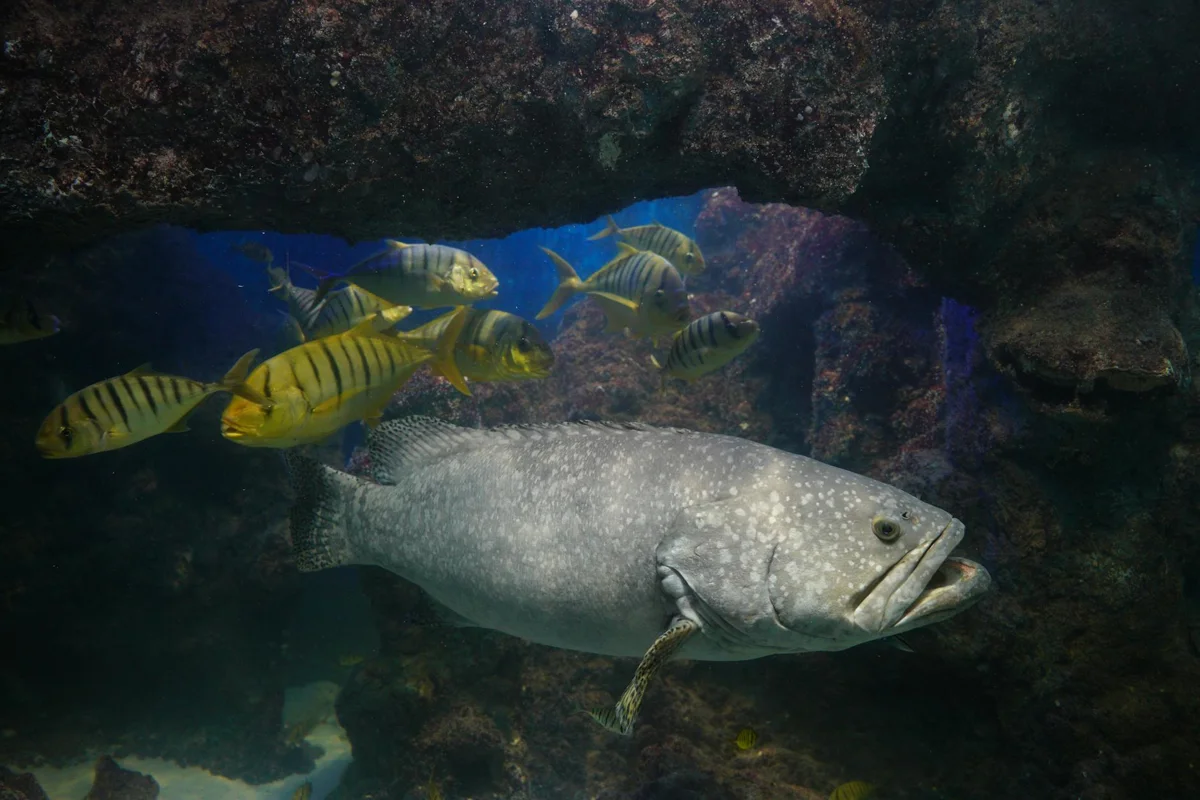
Goliath Grouper (Epinephelus itajara): on the rebound
The goliath grouper is among the largest bony fish in the Caribbean and one of the few genuine recovery stories in marine conservation. Adults can reach 400 kg, with jaws wide enough to engulf a diver whole. Florida holds the world's densest spawning aggregations each August–September. For serious underwater photographers, it ranks among the defining encounters of the tropical Atlantic.
 Equipment
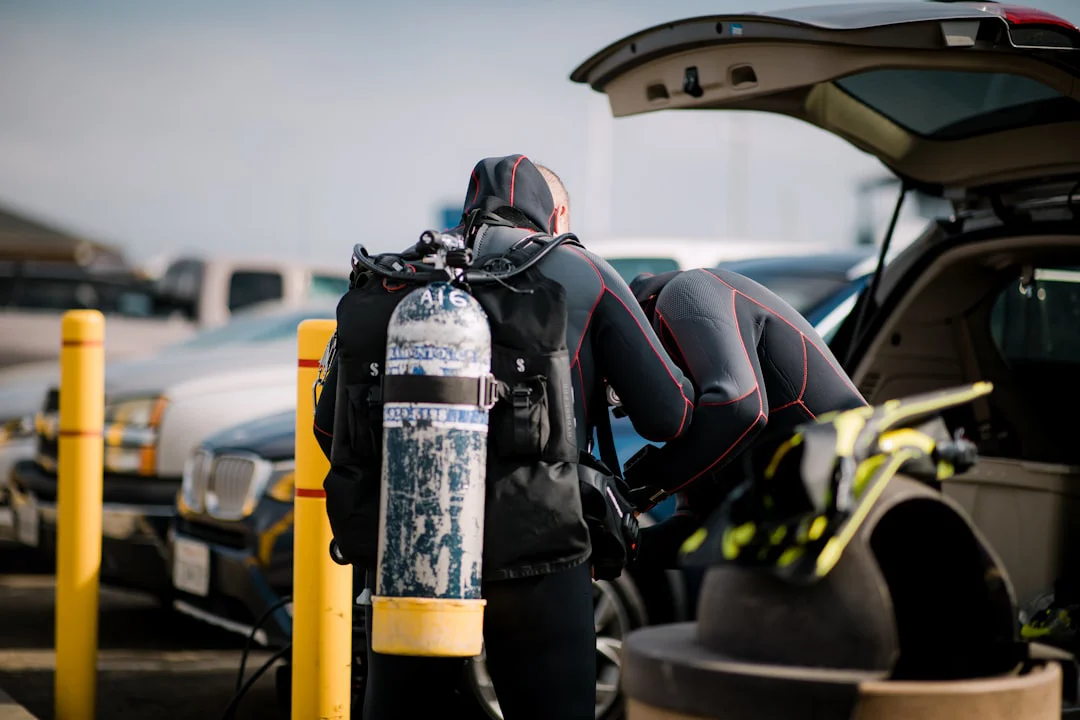
Travel BCDs: what you lose and gain going lightweight
Travel BCDs are built to cut weight and bulk for air travel. They tip the scales at 1.5–2.5 kg versus 3–5 kg for a standard BCD. For divers who fly to remote destinations with their own kit, the investment makes sense — but understanding the trade-offs matters before buying.
114 articles found