
Blog & News
Discover the best tips, travel guides, marine conservation news and secrets of the underwater world.
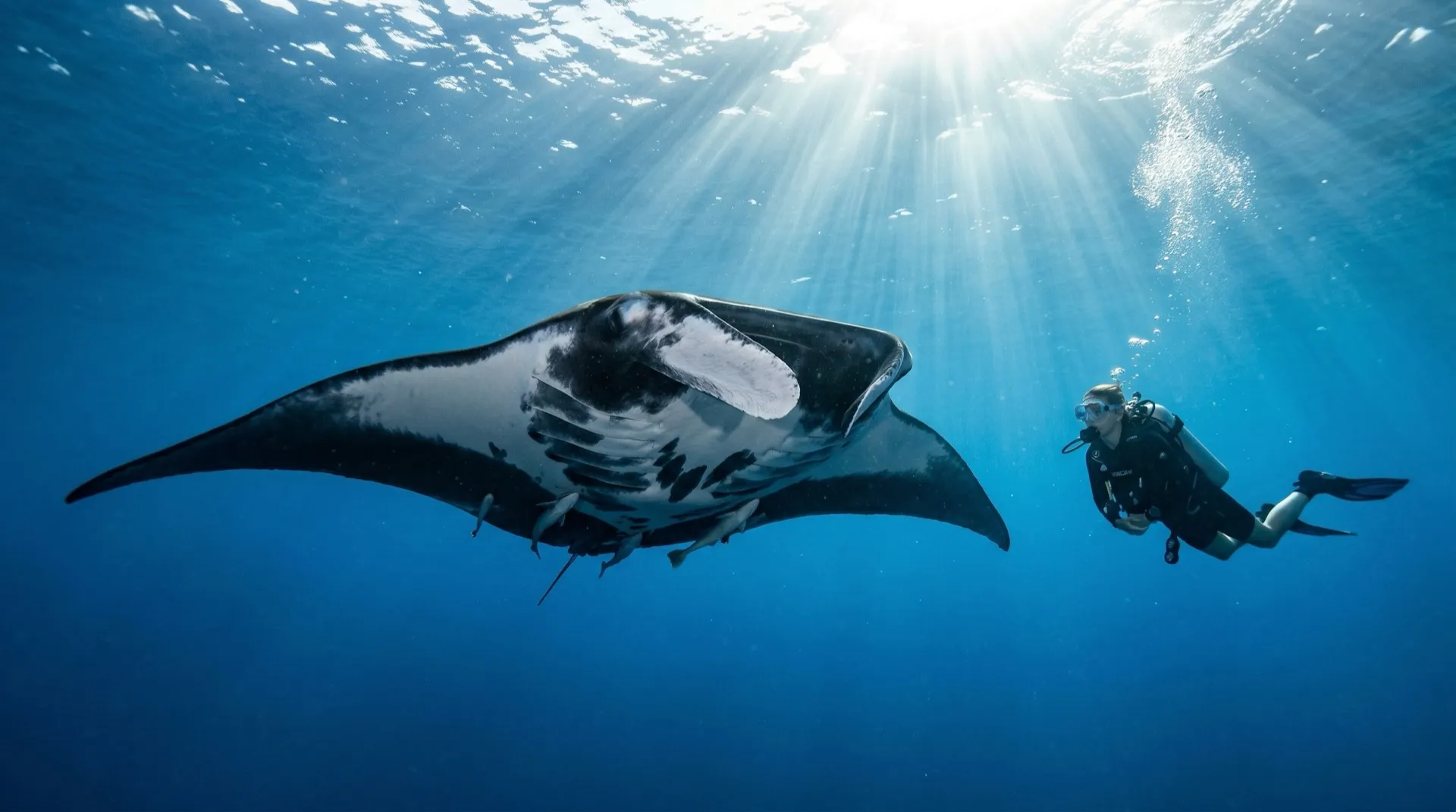
Orcas of the Strait of Gibraltar: behaviour, interactions and controversy
500 contacts in 2023, 40% drop in 2024, 80% in 2025. CIRCE: playful, non-aggressive behaviour. Satellite tagging of individuals. Recommendation: maintain speed towards shallow water. Cultural transmission to calves under debate.
 Travel
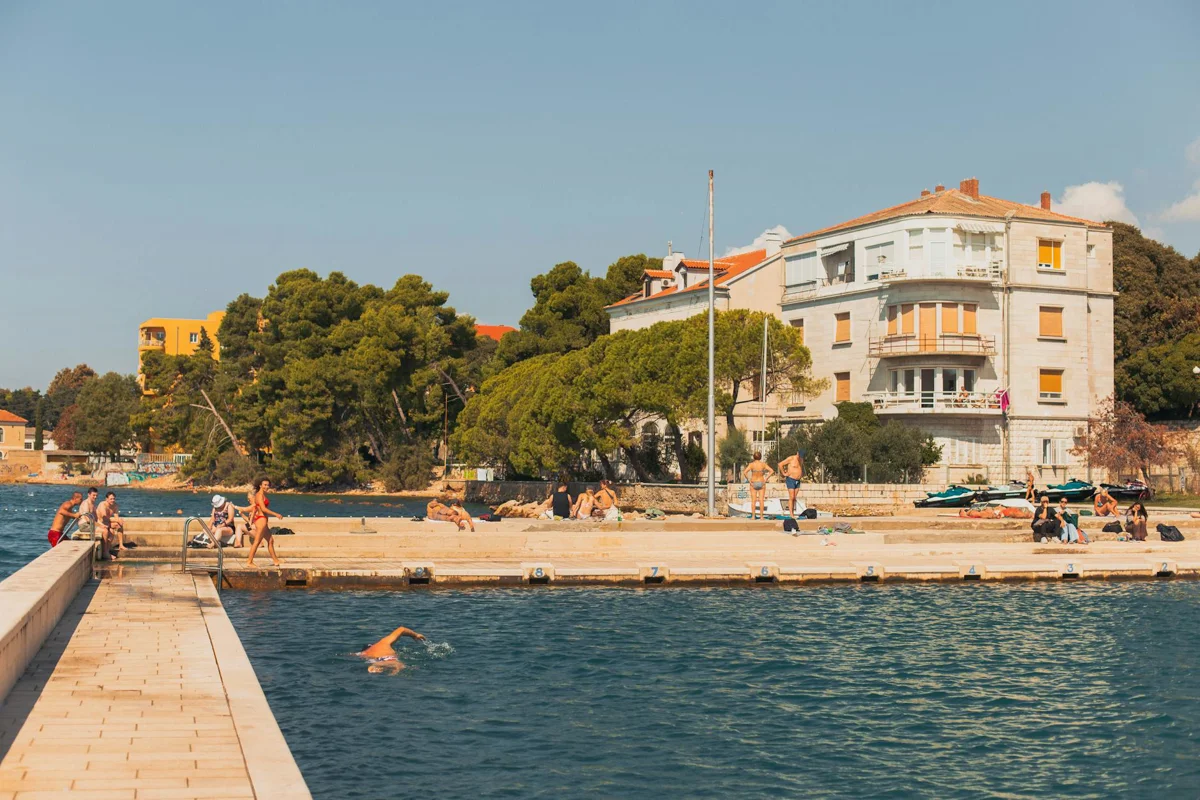
Croatia: Vis & Biševo — Blue Cave, WWII Wrecks and Dalmatian Wine
Vis and its small neighbour Biševo hold some of the Adriatic's best-kept diving secrets. The Blue Cave delivers an otherworldly light show, WWII wrecks rest in cold, clear water with visibility reaching 30 m, and the Dalmatian food and wine scene rounds off a trip that feels nothing like mass-market Croatia.
 Travel
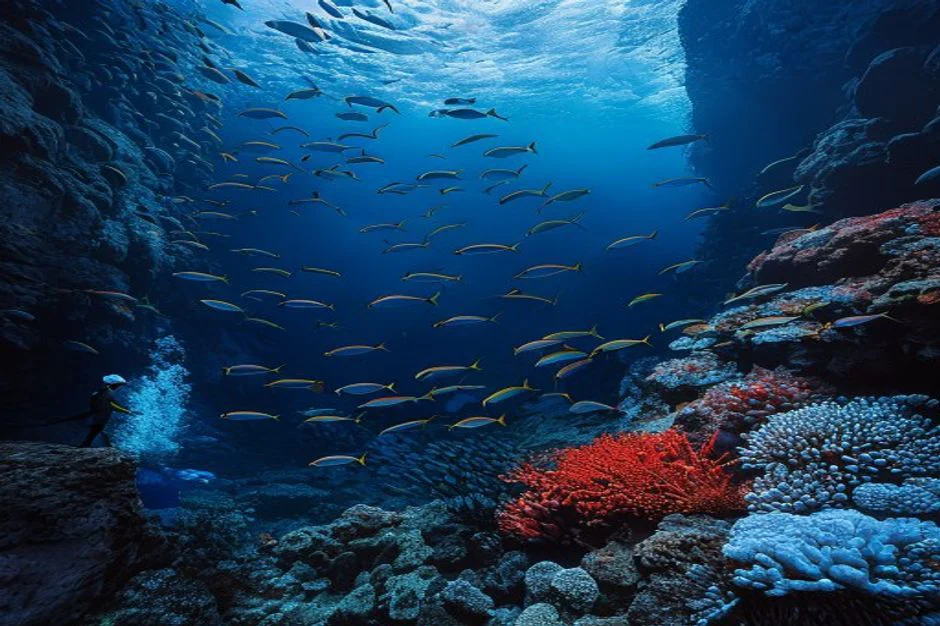
Columbretes: 30 permits a day and why the waiting list makes sense
The Columbretes Islands hold the strictest marine reserve quota in the Spanish Mediterranean — which is exactly why the underwater world there looks the way Cousteau filmed it in the 1950s. Only 30 divers per day receive a permit, bookings fill months ahead, and the boat crossing takes three hours each way. That combination is what has kept the place wild.
 Travel
Bonaire, Dutch Caribbean: the most complete shore diving destination in the Caribbean
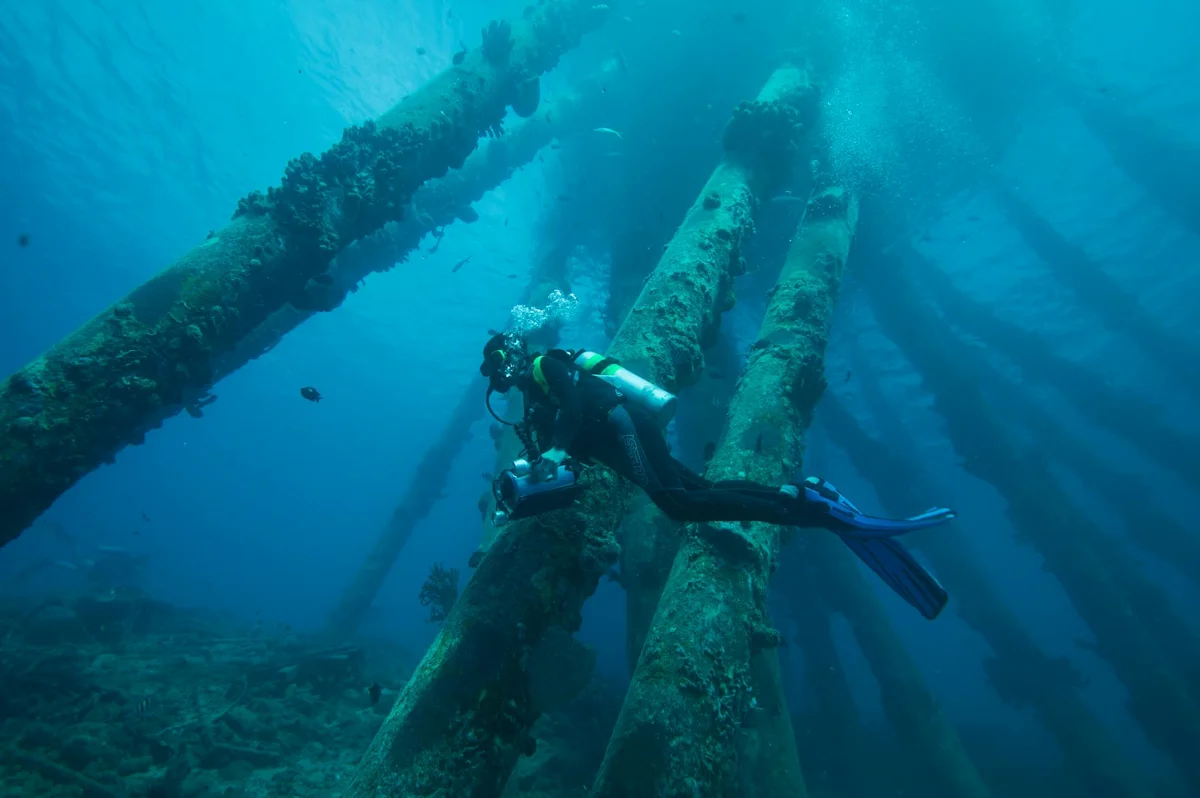
Bonaire is a Dutch island of 294 km² in the southern Caribbean (off Venezuela). It is a world reference for shore diving with 86 sites accessible from the shore, a marine park since 1979 (one of the oldest in the world), and a coral ecosystem among the best preserved in the Caribbean. Combinable with Curaçao and Aruba (the other ABC islands).
 Travel
Ireland, west coast: Atlantic wrecks and shark waters
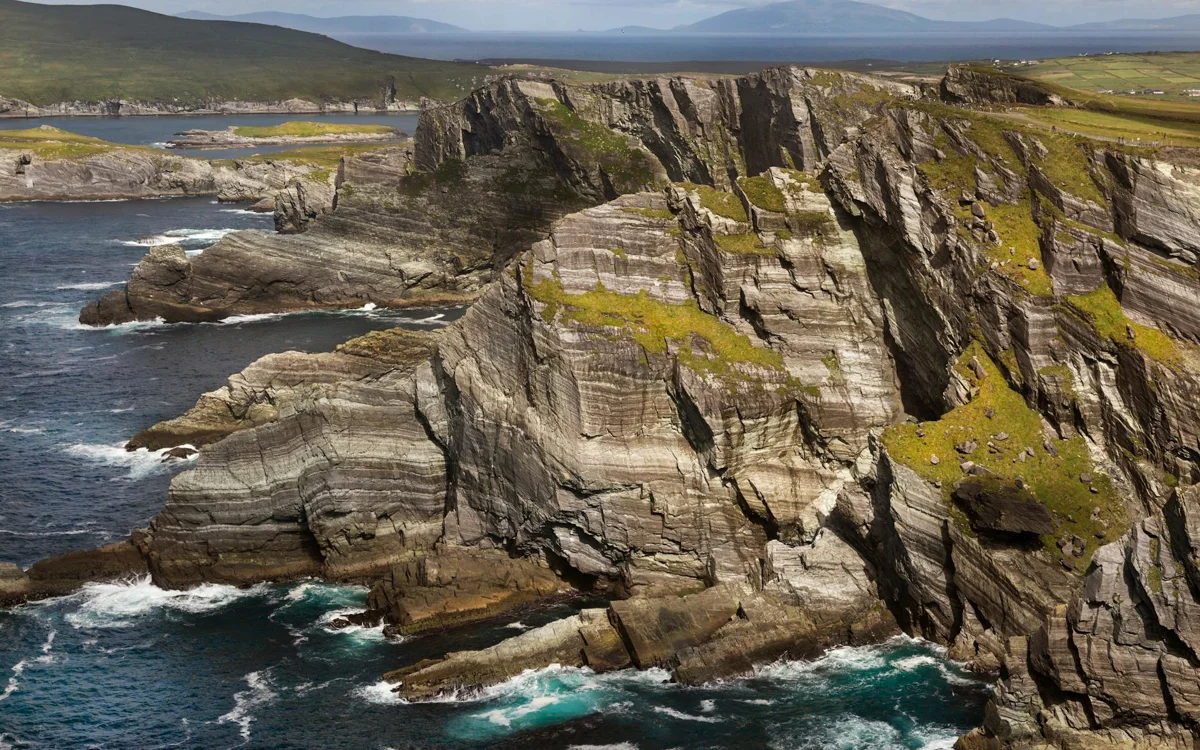
Ireland has 7,500 km of Atlantic coastline with cold-temperate diving. The west coast (Donegal, Mayo, Galway, Clare, Kerry) offers colonial British wrecks, Arctic-Atlantic fauna (wolf fish, lobsters), and from May to August seasonal migrations of basking sharks (Cetorhinus maximus, second largest fish in the world). Easily combined with Irish cultural tourism and the Wild Atlantic Way.
 Diving
Marine currents in diving: how to assess them and swim safely
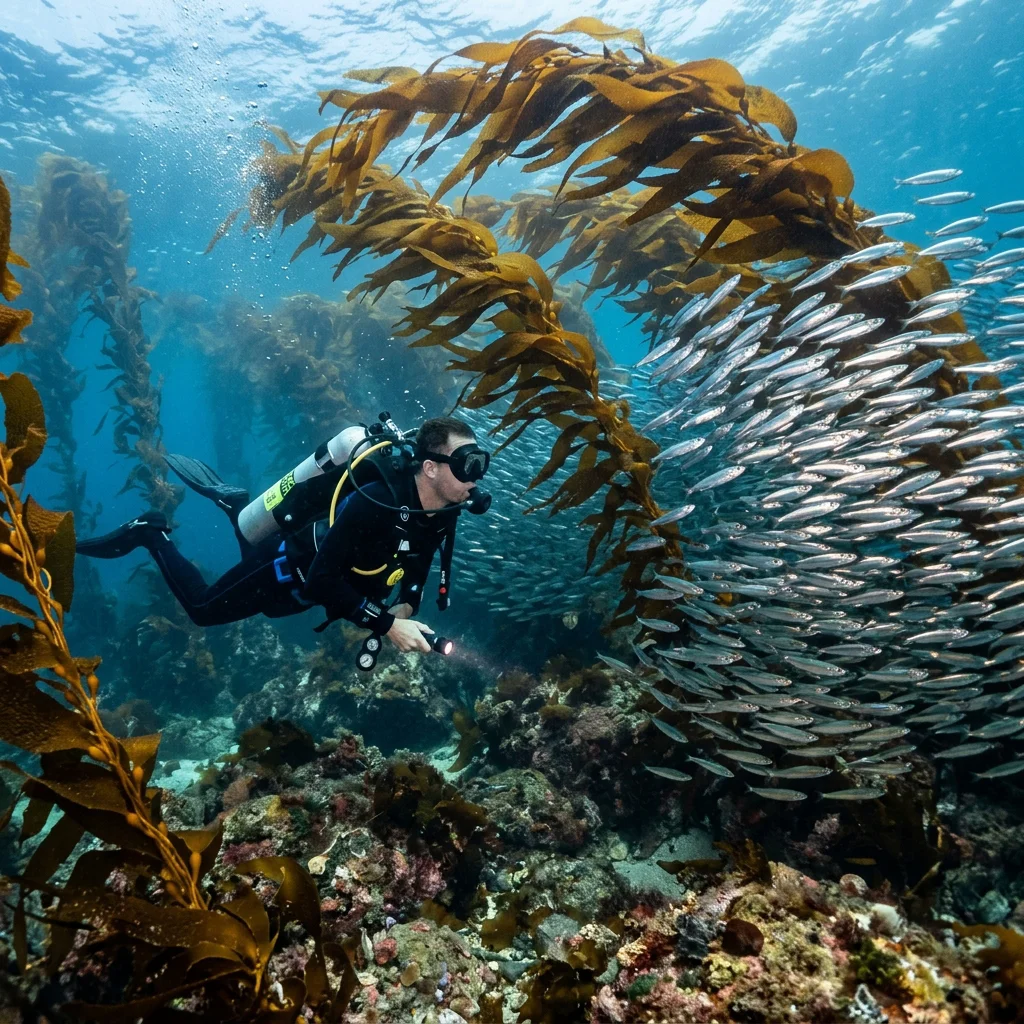
Currents of 1.5 knots exceed recreational swimming capacity. Learn to assess conditions, consult tide tables and use apps to plan safe dives.
 Health
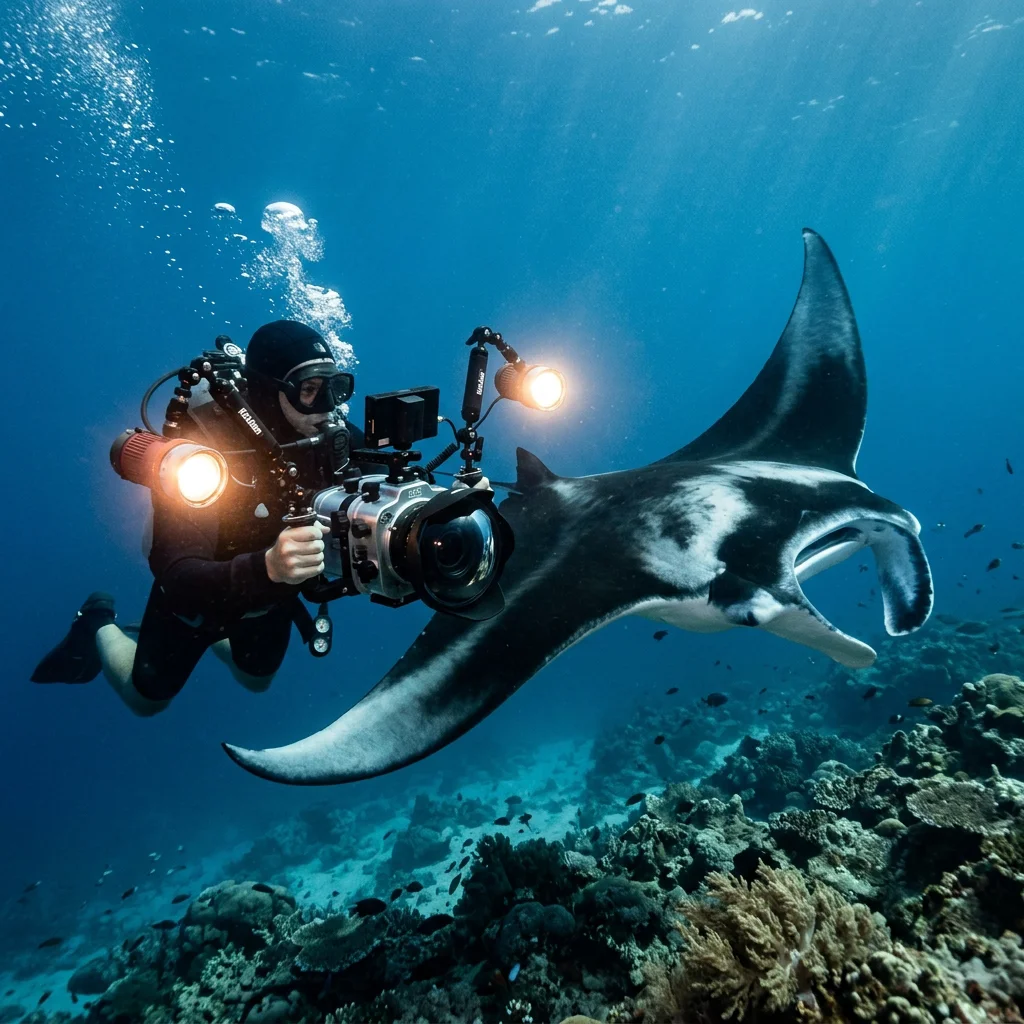
Swimmer's ear in divers: how to prevent and treat external otitis
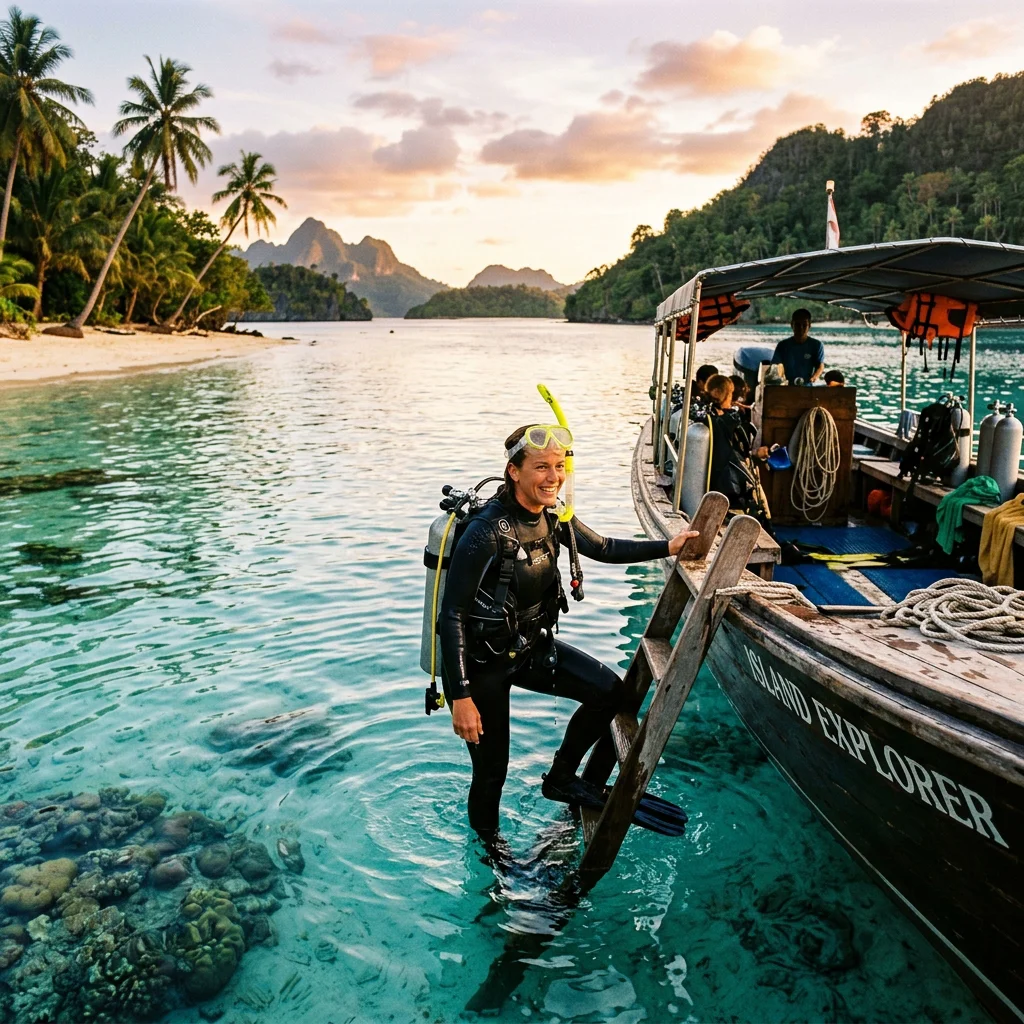
External otitis causes more than 2.4 million medical visits per year in the US. Discover causes, germs and prevention.
 Travel
Diving in northern Spain: Asturias, Cantabria and the Basque Country
Lobsters, crayfish, conger eels, moray eels, catsharks. Asturias: 20th-century war wrecks, gorgonians. Txingudi ideal for beginners, Bajo Machichaco demanding at 30+ m. Water temperature 14-18°C in summer. Extraordinary nudibranchs.
 Training
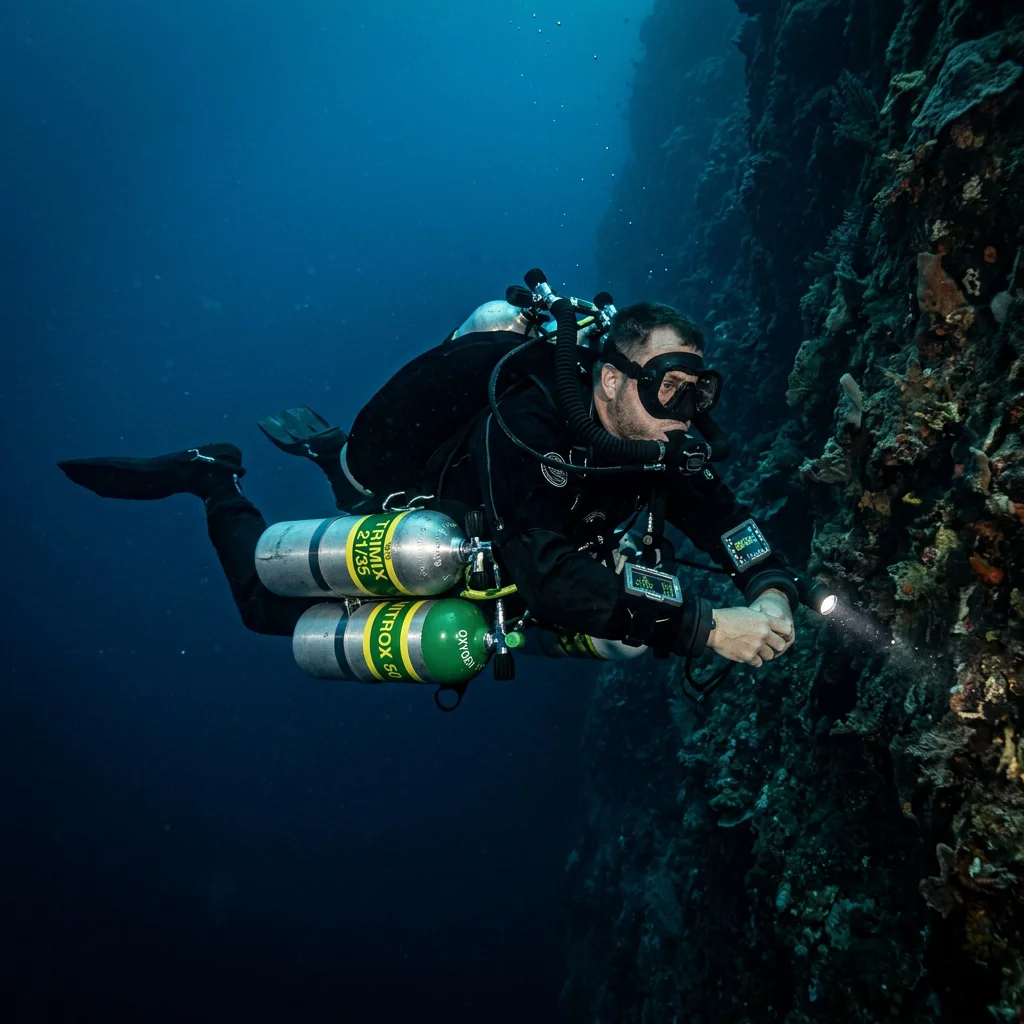
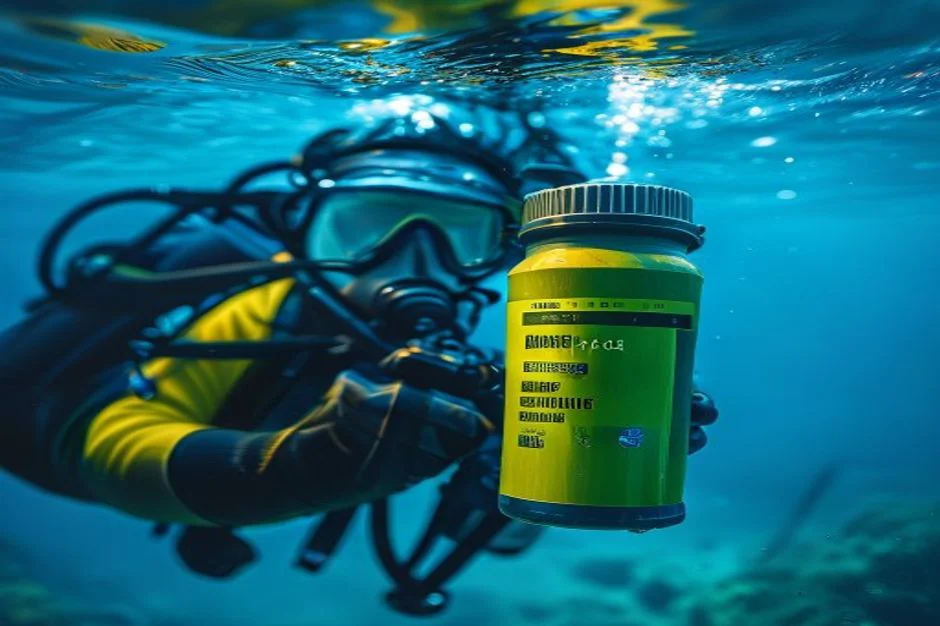
Nitrox course: why enriched air changes everything
The Enriched Air Nitrox (EANx) course extends bottom time on recreational dives and cuts post-dive fatigue. It ranks among the most practical certifications after Open Water and Advanced. This guide covers the real benefits, what the course teaches, what it costs, and the oxygen toxicity risks that most instructors underemphasise.
 Travel
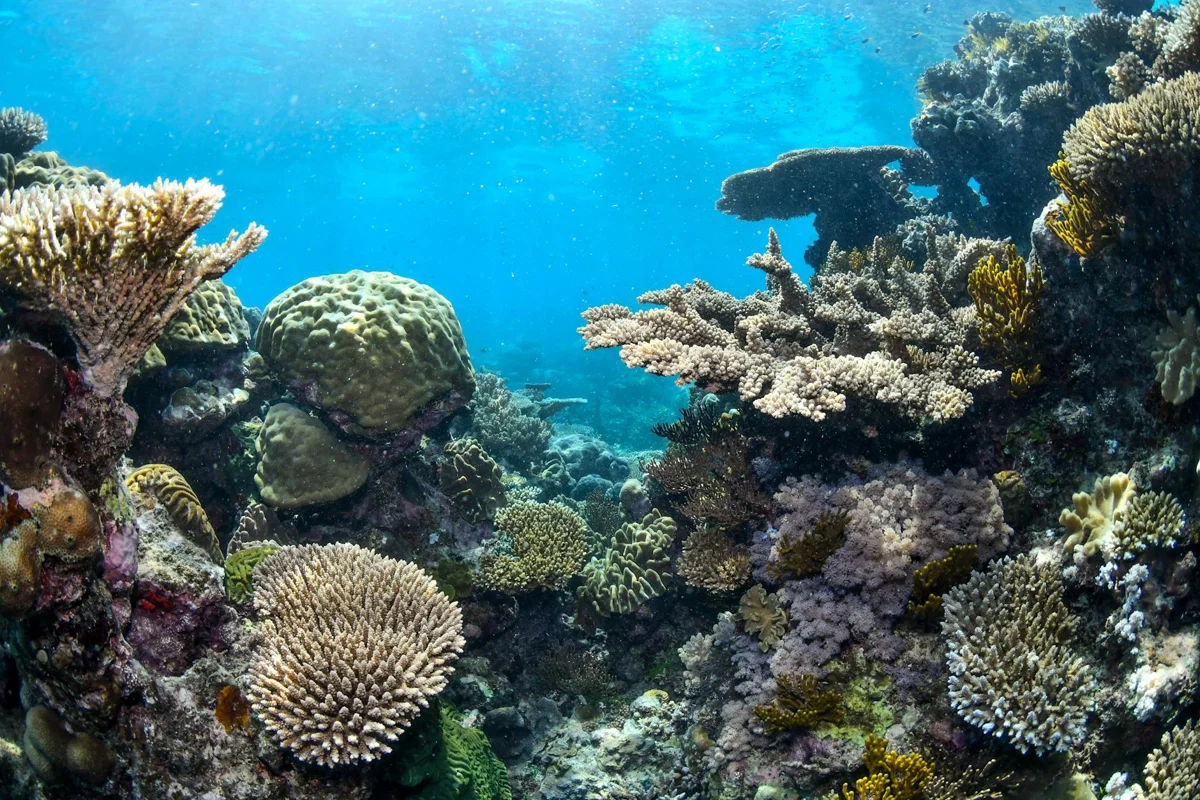
Great Barrier Reef, Australia: what's left after bleaching?
The Great Barrier Reef has endured five mass bleaching events between 1998 and 2024. The question divers keep asking is fair: is the trip still worth it? The short answer is yes, but with caveats that matter. Knowing where to go — and where to avoid — is what separates a disappointing week from diving that rivals the reef's best years.
 Travel
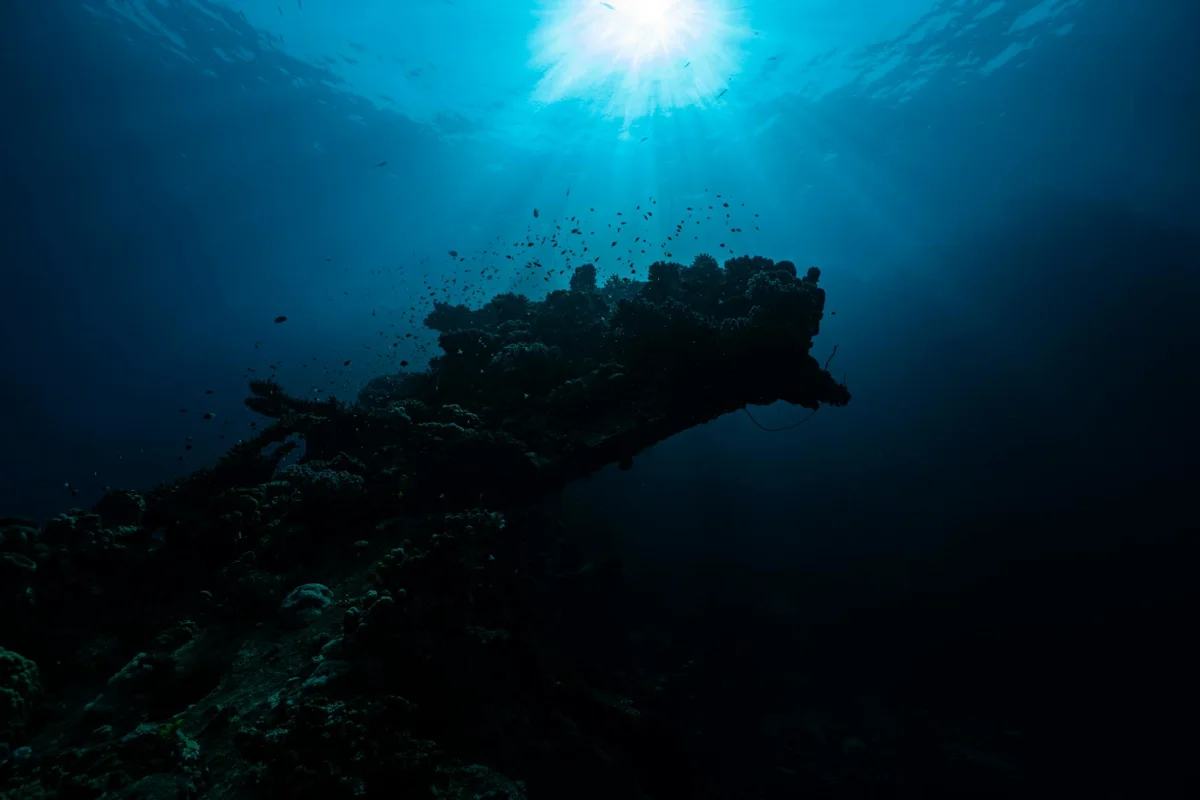
Saudi Arabia, Red Sea: emerging destination with pristine reefs
Saudi Arabia opened to tourism in 2019 and is developing 1,800 km of Red Sea coastline that remains virtually untouched for recreational diving. The NEOM zone (Tabuk) and the Farasan archipelago hold reefs in pristine condition, free from Egypt's tourist pressure. It's tomorrow's Red Sea destination: expensive now, unmatched in biodiversity, and completely crowd-free.
 Travel
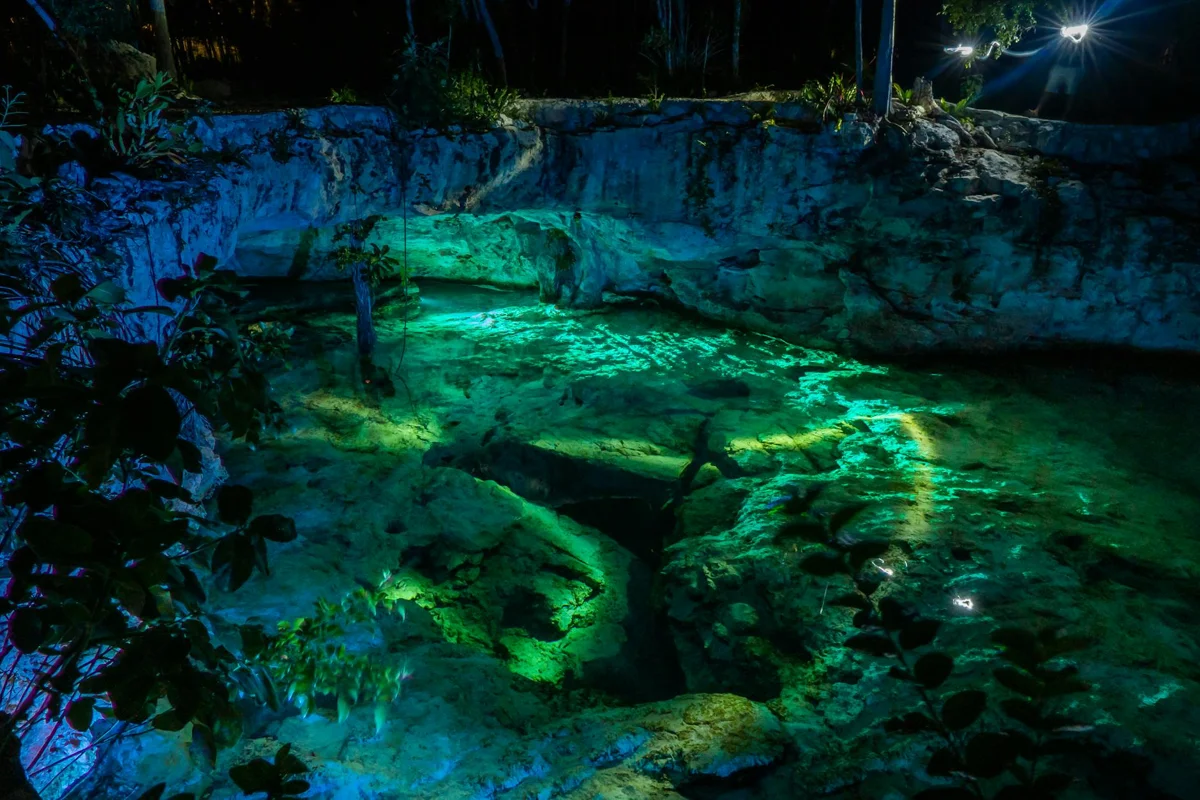
Yucatán cenotes, Mexico: freshwater, haloclines and limestone caves
The cenotes of Yucatán tap into the largest flooded cave system on Earth — over 1,500 km of mapped passages beneath the limestone peninsula. Expect crystal-clear freshwater, dramatic haloclines where fresh meets salt, and stalactites formed in dry air thousands of years before the sea reclaimed them. Cavern diving is open to Advanced Open Water divers; full cave diving requires a cave specialty certification.
 Travel
Eritrea, Dahlak Archipelago: the forgotten African Red Sea
Eritrea sits on the Horn of Africa along the Red Sea, with 1,000 km of coastline and the Dahlak archipelago (350 islands). It is one of the least-explored Red Sea destinations: colonial Italian wrecks, pristine reefs and virtually no tourism. Operations are difficult due to political restrictions, but the 2025-2030 window allows access via Massawa. A destination for patient explorers only.
139 articles found